




Art Deco Sapphire Cluster Ring
An art deco sapphire cluster ring offers geometric elegance through a vibrant central stone surrounded by sparkling diamonds.
Art Deco Sapphire Cluster Ring
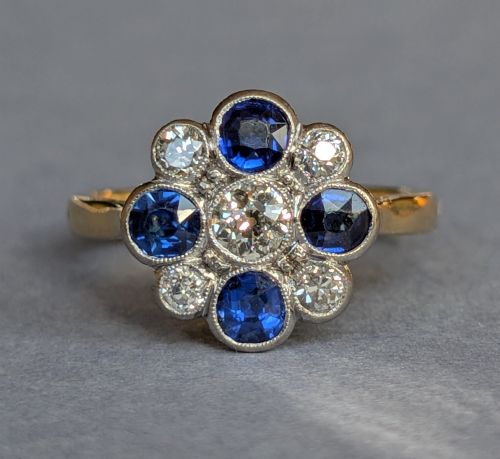
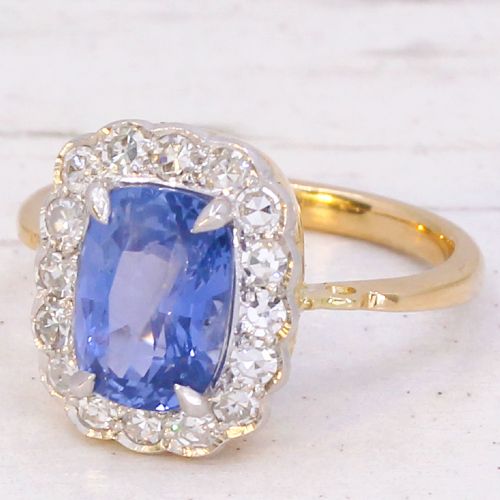
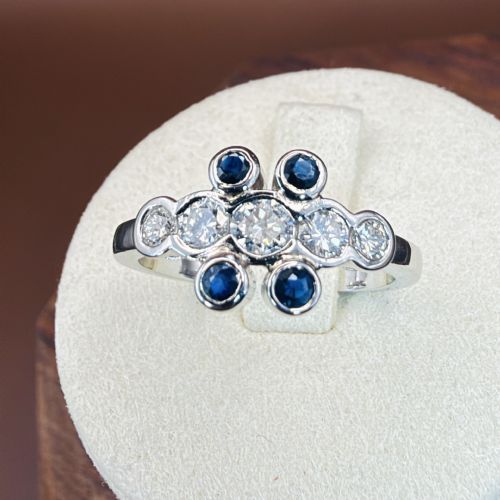
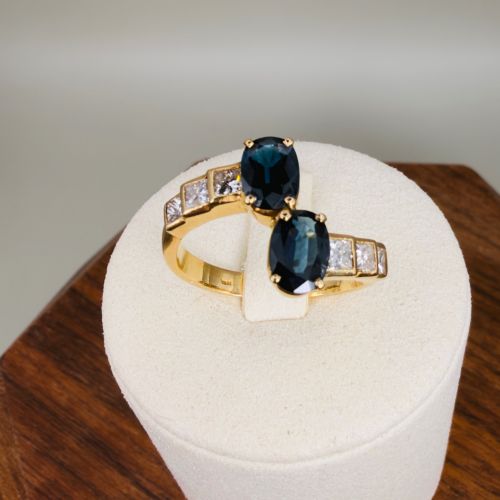
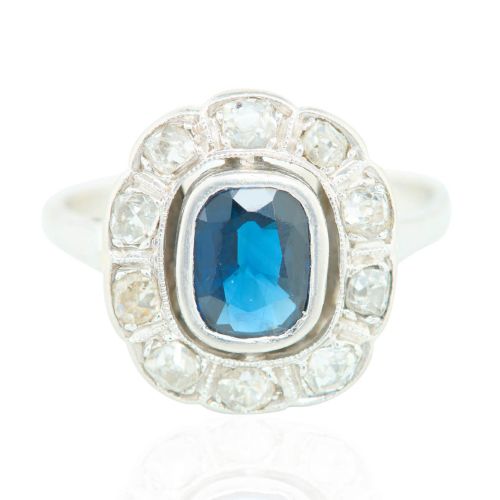
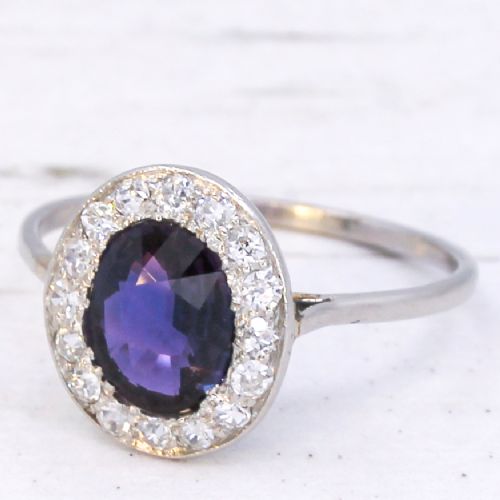
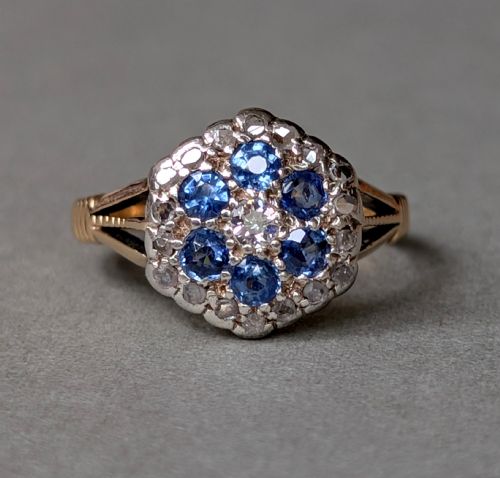
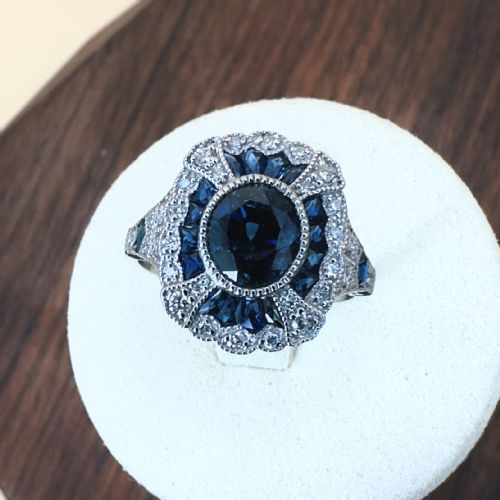
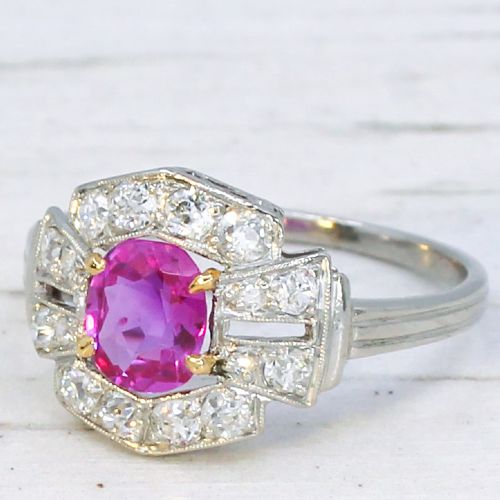
An art deco sapphire cluster ring brings together the distinctive geometric styling of the early twentieth century with rich blue, yellow or pink corundum. These dress rings frequently feature a central sapphire framed by a halo of diamonds in circular, oval, target or navette arrangements.
Buyers exploring this selection encounter pieces originating predominantly from the 1920s and 1930s, alongside later mid-century revivals. The surviving examples showcase the enduring appeal of symmetrical cluster settings designed to maximise the brilliance of both the sapphire and the surrounding stones.
How They Were Made
Master jewellers constructed these rings using durable platinum or 18ct white and yellow gold, often combining platinum tops with gold shanks for structural strength. Platinum allowed for delicate, intricate claw and bezel settings that held closely mounted diamonds without overwhelming the central gemstone.
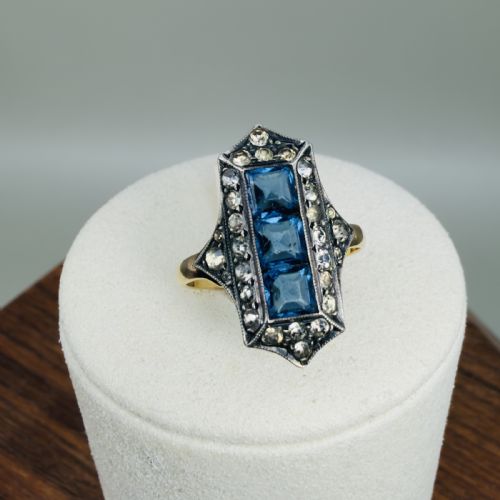
Cutting techniques of the period included old European cuts, single cuts and precise calibre cut sapphires tailored specifically to fit tight geometric channels. These hand-finished methods ensured seamless transitions between the central sapphire and the concentric diamond borders.
Some sapphire clusters hide tiny open-backed collets beneath their stones to let sunlight pass straight through the blue depths.
What Varies In Quality
The overall standard rests heavily on the origin, natural treatment status and depth of colour within the sapphire itself. Unheated stones from locations such as Ceylon or Burma command greater attention due to their purity and vivid saturation.
Construction precision and stone matching define the tier of craftsmanship, where evenly calibrated diamonds and secure, flush metalwork demonstrate superior atelier production. Original period integrity, such as untouched French hallmarks or well-preserved target proportions, further elevates the standing of individual pieces.
The Art Deco Sapphire Cluster Ring Glossary
- Calibré cut
- Small gemstones precisely shaped and cut to fit snugly into specific geometric channels within a setting. This technique defines many linear patterns found in early twentieth-century jewellery.
- Target cluster
- A concentric ring design featuring a central stone encircled by multiple contrasting rows of gems, resembling an archery target. It remains a hallmark of the period aesthetic.
- Navette
- A boat-shaped gemstone setting with pointed ends, also known as a marquise shape. This elongated silhouette sits prominently across the finger.
- Old cut
- A diamond facet style hand-polished before modern standardised brilliant cutting machines were adopted. These stones typically display smaller tables and higher crowns.
- Plaque ring
- A flat, disc-shaped or geometric ring face covered entirely in pavé-set diamonds and gemstones. They present a broad decorative surface atop the band.
Art Deco Sapphire Cluster Ring: Frequently Asked Questions
How do I care for my ring?
Clean your jewellery gently using warm soapy water and a soft brush to remove everyday oils. Avoid harsh ultrasonic cleaners, especially if the sapphire has natural inclusions or treatments.
Have the prongs and settings checked regularly by a professional specialist to ensure the central stones and surrounding diamonds remain secure.
Are these rings suitable for daily wear?
Sapphires rank high on the mineral hardness scale, making them durable enough for regular use. Platinum and gold settings provide robust housing for the cluster components.
Consider removing the ring during heavy manual tasks to protect the delicate antique metalwork and smaller accent stones from impact.
What does unheated mean?
An unheated sapphire has undergone no artificial thermal enhancement to improve its natural colour or clarity. These untreated stones are valued for their earth-formed characteristics.
Gemological certificates often accompany these specimens to verify their natural origins and absence of enhancement.
How can I tell a genuine period piece?
Examine the construction for hand-finished details, integrated platinum top plates, and period-appropriate stone cuts like old European or single cuts. Maker marks and foreign assay stamps can also offer clues.
Stylistic symmetry and wear patterns consistent with age help distinguish authentic early twentieth-century examples from later reproductions.