



Art Deco Plant Stand
An art deco plant stand is a sculptural display piece designed to elevate greenery or sculpture with distinct geometric flair.
What these pieces are
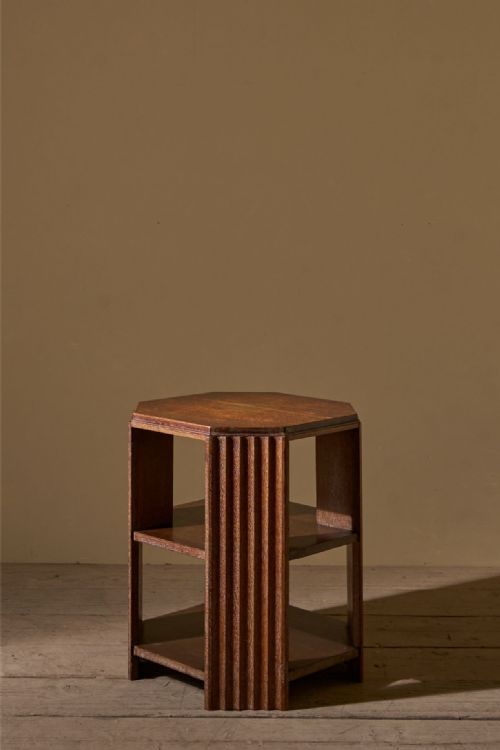
An art deco plant stand brings structured geometric elegance to an interior, functioning as a pedestal, column, or low side table. These items emerge primarily from the nineteen-thirties, manifesting in forms such as octagonal occasional tables, torchieres, and sculpture stands.
The selection ranges from French pieces to labelled oak tables and porcelain jardiniere stands. Buyers frequently encounter side tables and pedestals that double as plant stands or lamp tables within this aesthetic.
How they were made
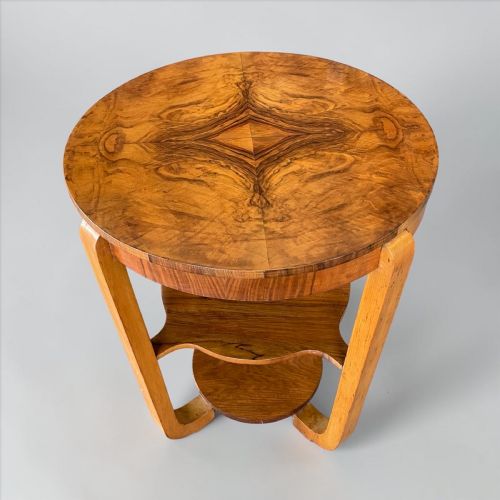
Maker construction relies on cabinetmaking timber foundations finished with rich veneers including walnut, burr walnut, macassar ebony, and rosewood. Pine and general wood stock also form the structural framework for these varied stands.
Surface detailing incorporates contrasting elements such as brass fittings and inset marble tops. Certain porcelain and china components appear in specialised planter pedestals from the period.
Retail Price Guide 2026
Typical UK retail prices for art deco plant stand, calculated from the Sellingantiques database of over a million retail prices indexed since 2003. This retail price guide relies exclusively on Sellingantiques data; no external sources or auction records are used, so the figures do not describe the wider market.
Some stands double as china porcelain jardinieres, ready to catch water from your most ambitious indoor ferns.
What varies in quality
Quality separates through the selection of exotic veneer timbers, where striking grain patterns on macassar ebony or burr walnut elevate the visual impact. The complexity of the silhouette, from simple octagonal forms to architectural torchieres, dictates the sophistication of the piece.
The integration of contrasting materials like marble and brass defines the finer examples in this category. Signed works or pieces bearing period maker labels introduce an additional layer of distinction.
Majorelle·Eichwald
The Art Deco Plant Stand Glossary
- Art Deco
- A design style of the nineteen-thirties characterised by sleek geometric shapes, streamlined forms, and modern industrial materials.
- Torchiere
- A tall standing pedestal or floor-standing display column often utilised for sculpture or plants.
- Macassar Ebony
- A heavily figured tropical hardwood featuring dark brown and warm golden streaks, popular in high-end period veneering.
- Jardiniere
- An ornamental ceramic or porcelain pot or stand specifically designed to hold plants and flowers.
Frequently Asked Questions
What is an art deco plant stand?
An art deco plant stand is a decorative furniture piece from the nineteen-thirties designed to elevate plants, lamps, or sculpture.
These items utilise geometric lines and rich timber veneers to combine utility with period style.
How were art deco plant stands used?
They served primarily as pedestals for floral displays, ferns, or decorative art objects in domestic interiors.
Many designs doubled as small side tables, lamp stands, or coffee tables depending on their height and top surface.
What materials are typical?
Common materials include solid timber frames clad in walnut veneer, burr walnut, rosewood, and macassar ebony.
Decorative accents frequently feature inset marble tops, brass details, and occasionally porcelain ceramic elements.
How do I identify the period?
Nineteen-thirties construction is identified through characteristic geometric silhouettes, architectural pedestal forms, and exotic wood veneers.
Maker signatures, old paper labels, and specific use of materials like macassar ebony further confirm the era.