

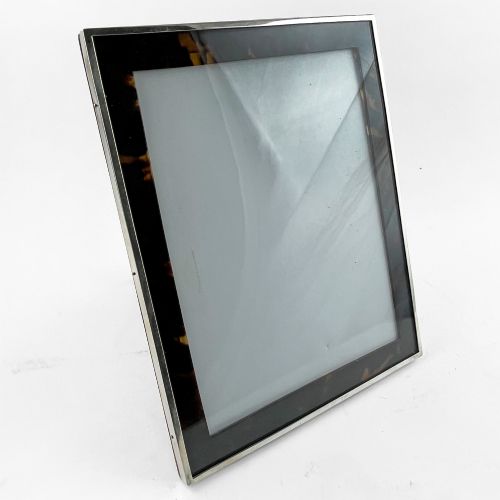
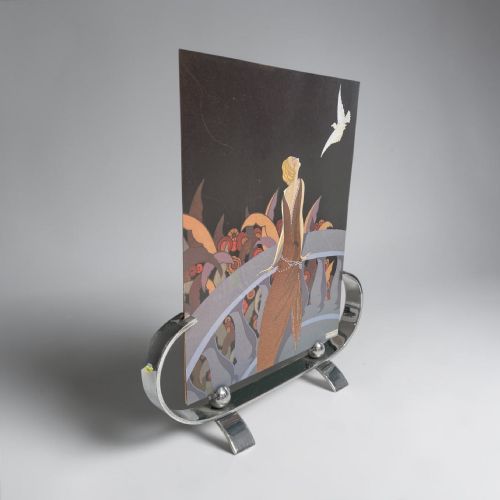
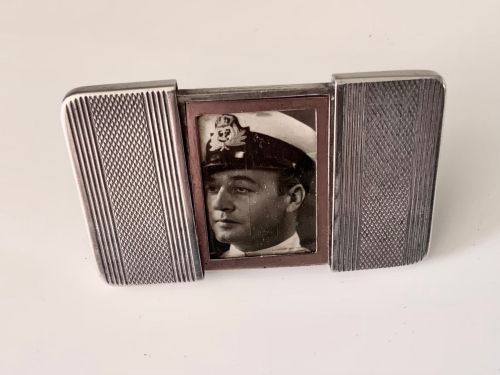





Art Deco Photo Frame
An art deco photo frame brings geometric elegance and clean lines to a room, holding portraits with unmistakable period style.
Art Deco Photo Frame
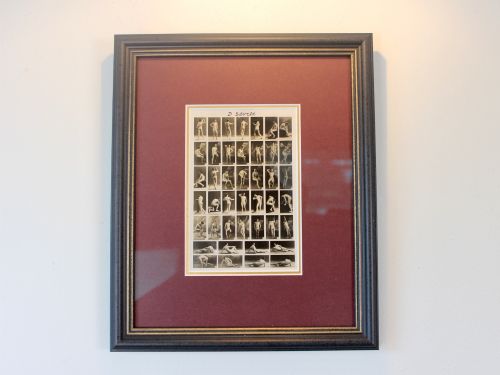
When you search for an art deco photo frame, you encounter objects designed to display portraits through distinct geometric shapes and restrained ornamentation. The examples on this page span the 1920s and 1930s, alongside earlier Edwardian and nineteenth-century roots that inform the aesthetic.
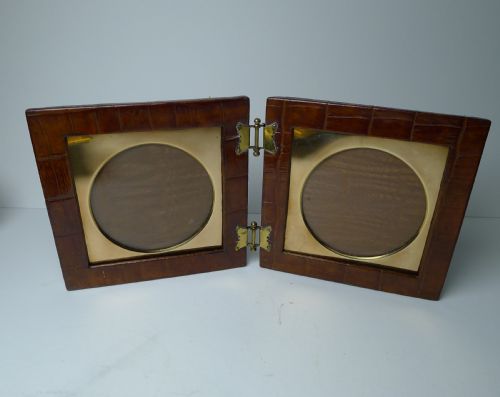
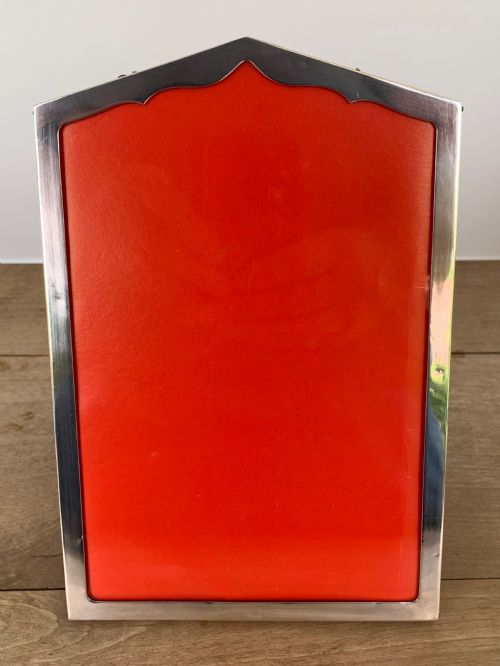
You will most commonly meet sterling silver and chrome models, often paired with glass panels or wooden backs. Forms range from simple free-standing vertical rectangles to triptychs, folding travel designs, and circular or skyscraper silhouettes.
Origins stretch from English workshops in Birmingham to French studios, encompassing both austere modernist interpretations and pieces retaining subtle traces of earlier decorative traditions.
How they were made
Makers utilised sterling silver, chrome, nickel-plated silver, and brass to construct durable metal chassis, frequently applying intricate engine-turned patterns to the surfaces. Glass components were cut to size to protect the photographs within, whilst wooden backs and structural framing provided sturdy support.
Techniques combined traditional silversmithing with industrial metalworking methods suited to the interwar period. Folding hinges, easel backs, and precision bezels were assembled to allow these picture frames to stand securely on desks and dressing tables.
Art Deco Photo Frame Retail Price Guide 2026
Typical asking prices for art deco photo frame among the pieces listed under this phrase on Sellingantiques today, from the lower quarter to the upper quarter. They describe what is for sale here now, not the wider market.
Listings feature sterling silver, chrome, glass, and wood across various forms.
What varies in quality
The distinction between tiers rests upon the crispness of the engine-turning, the weight of the silver or metal plating, and the structural integrity of the easel mechanism. Heavier gauge metals and fully hallmarked sterling silver examples demonstrate superior original intent compared to lighter plated alternatives.
Refinement of line also dictates worth, as does the complexity of the form, such as multi-panel folding triptychs or unusual architectural skyscraper silhouettes. Original glass and well-preserved wooden backing boards contribute significantly to the overall integrity of a surviving piece.
Julian Mandel·Deakin & Francis·W G Sothers Ltd·Green & Cadbury Ltd·Mappin & Webb·Sanders & Mackenzie·Baldwin & Marriott
The Art Deco Photo Frame Glossary
- Engine-turned
- A decorative technique involving precise geometric patterns engraved into metal by a specialised lathe. This method added texture and caught the light on silver picture frames.
- Triptych
- A three-panelled folding frame hinged together to display multiple images simultaneously. These were particularly popular for travel and desktop use.
- Aperture
- The open window of the frame through which the photograph is viewed. Its dimensions determine the correct size of the picture inserted.
- Hallmark
- An official stamp applied to precious metals indicating purity, maker, and assay office. Birmingham was a primary hub for silver frame production.
- Skyscraper
- An architectural style influence reflecting tall urban buildings, translated into stepped vertical frame designs. This form remains highly sought after by collectors.
Art Deco Photo Frame: Frequently Asked Questions
How do I date an art deco photo frame?
You look for hallmarks on silver examples, which indicate the assay office and year letter corresponding to Birmingham production in the 1920s or 1930s.
Stylistic cues such as stepped skyscraper motifs, chrome construction, and geometric engine-turning also point firmly to the interwar decades.
Were these frames meant for travel?
Many examples incorporate folding hinges and leather or crocodile-covered wooden backs designed specifically for journeys.
Travellers could fold the multi-panel constructions to protect cherished portraits while away from home.
What photographs fit these apertures?
Most antique picture frames accommodate standard photographic contact sheets or portrait prints of the era. You should measure the internal aperture carefully before sourcing vintage prints to fit.
How should I display them at home?
These pieces suit mantelpieces, dressing tables, and wooden desks where their reflective metal surfaces catch the light. You can mix silver and chrome finishes across a surface provided the geometric lines complement one another.