

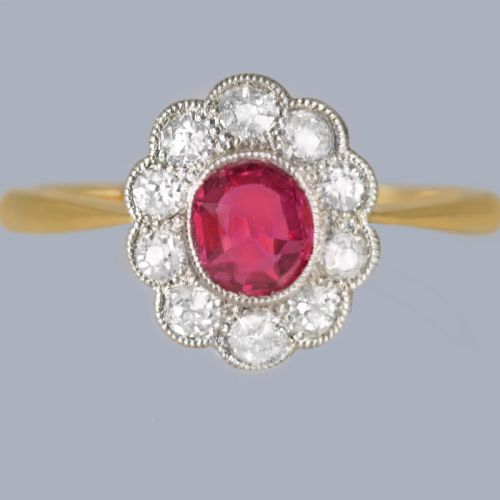


Art Deco Oval Ring
An art deco oval ring brings together geometric precision and sweeping curves, offering a distinctive finger presence that collectors prize for its architectural silhouette.
Art Deco Oval Ring
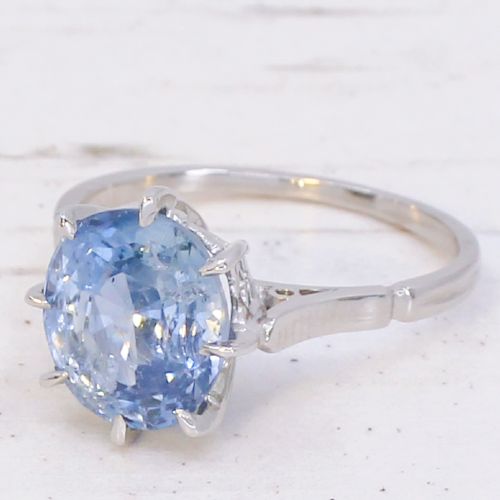
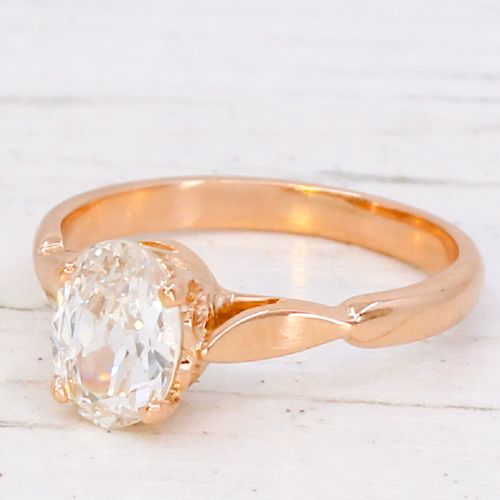
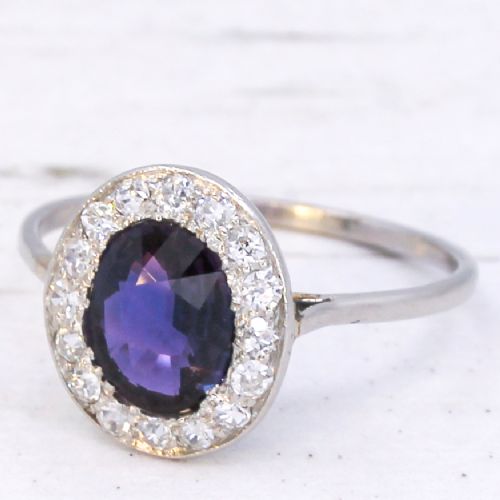
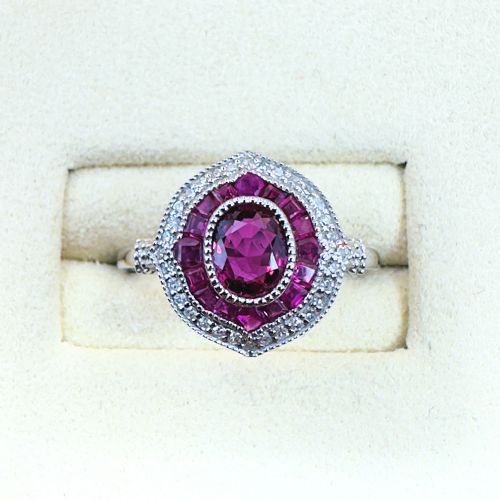
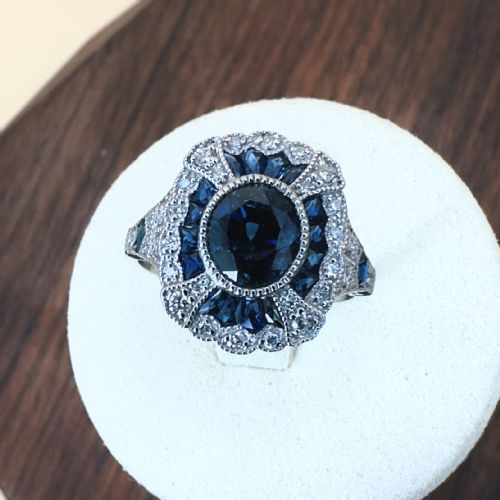
An art deco oval ring represents a defining period of twentieth-century jewellery design, spanning the nineteen-tens through to the nineteen-forties. These pieces frequently manifest as cluster settings, framing a central oval gemstone with a border of smaller diamonds.
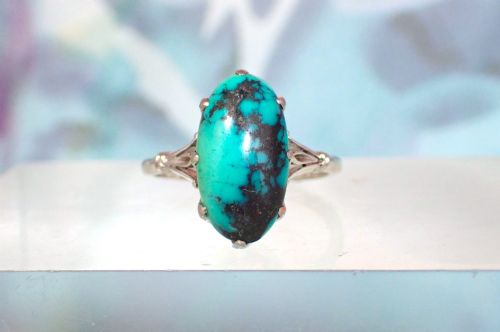
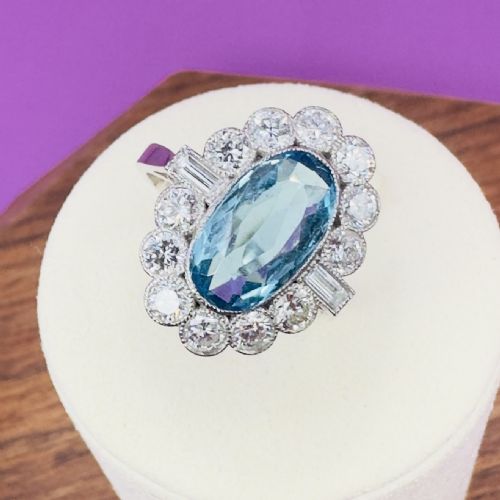
Beyond traditional cluster configurations, buyers encounter solitaire stones and elongated cocktail styles designed to flatter the hand. The aesthetic draws heavily on symmetrical lines, geometric framing, and balanced proportions characteristic of the era.
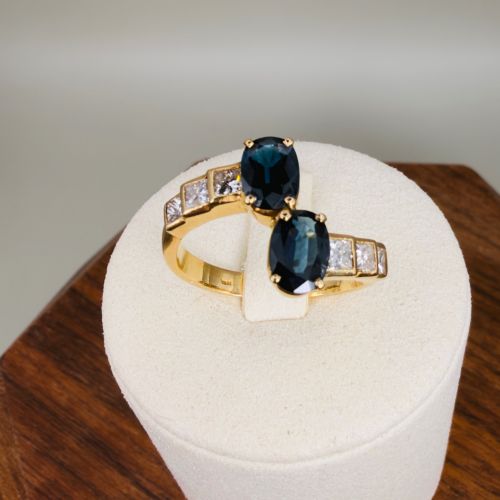
Materials span platinum and eighteen-carat white or yellow gold, often paired with vibrant coloured stones such as sapphires, rubies, emeralds, and aquamarines. Pieces originating from this timeframe reflect both British craftsmanship and continental influences.
What Varies in Quality
The standard of an art deco oval ring rests upon the natural quality, colour saturation, and origin of the central gemstone, alongside any accompanying certification. Unheated sapphires, vivid emeralds, and finely matched diamond borders elevate the desirability and standing of a piece considerably.
Structural integrity and the preservation of delicate hand-worked details, such as crisp gallery piercework and intact millegrain decoration, distinguish superior examples. Heavy, durable mountings that retain their original proportions without excessive past remodelling represent the upper tier of survivals.
Listings feature platinum, eighteen-carat gold, and white gold settings housing sapphires, diamonds, rubies, and emeralds.
The Art Deco Oval Ring Glossary
- Cluster ring
- A ring featuring a prominent central stone encircled by a border of smaller gems, typically diamonds.
- Old oval cut
- A vintage diamond or gemstone cutting style characterised by softer facet arrangements and a rounded outline compared to modern brilliant cuts.
- Millegrain
- A decorative technique involving a line of tiny raised metal beads along the edges of a setting.
- Platinum
- A dense, durable, and naturally white precious metal widely utilised in twentieth-century fine jewellery manufacture.
- Solitaire
- A single gemstone mounted alone on a band, focusing visual attention entirely on the primary stone.
Art Deco Oval Ring: Frequently Asked Questions
How do I care for my ring?
Clean your piece gently using warm soapy water and a soft brush, avoiding harsh chemical dips that can damage softer gems like opals or turquoise.
Store the item separately in a fabric-lined box to prevent scratching softer precious metals and delicate gemstone facets.
Can these rings be resized?
Many platinum and gold mountings can be adjusted by a skilled jeweller, though intricate side gallery work or continuous gemstone shoulders require careful evaluation.
Consult a specialist experienced in antique settings to ensure structural adjustments do not compromise the surrounding metalwork.
What defines the style?
The aesthetic relies on strict symmetry, strong geometric lines, and the juxtaposition of contrasting colours between central stones and diamond borders.
This design vocabulary developed as a rejection of flowing Edwardian motifs, favouring architectural precision and streamlined elegance instead.
How do I identify periods?
Examine the choice of mounting metals and gemstone cuts, noting that platinum and white gold dominate alongside old-cut diamonds in pieces from the twenties and thirties.
Hallmarks, maker stamps, and specific construction techniques provide further clues to confirm whether an item dates to the interwar years or later mid-century revivals.