



Art Deco Open Shelves
Art deco open shelves combine clean geometric lines with practical display space, offering collectors a striking way to organise books and objects.
Art Deco Open Shelves
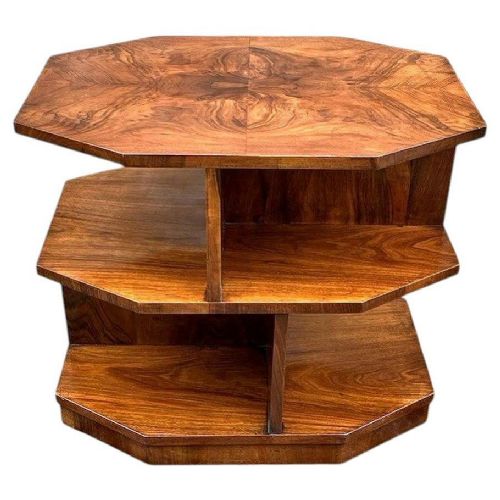
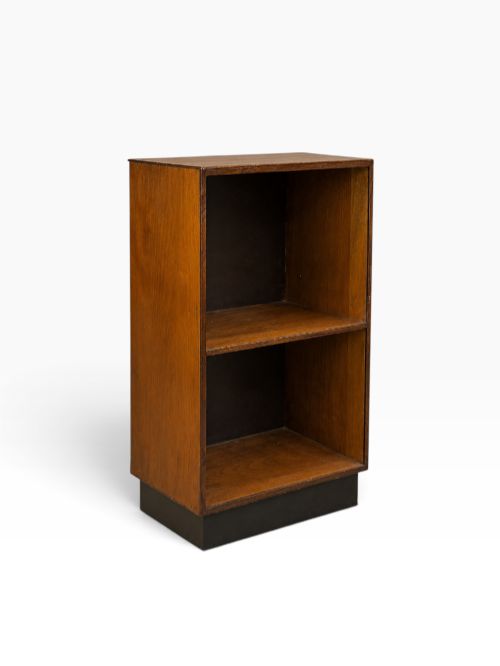
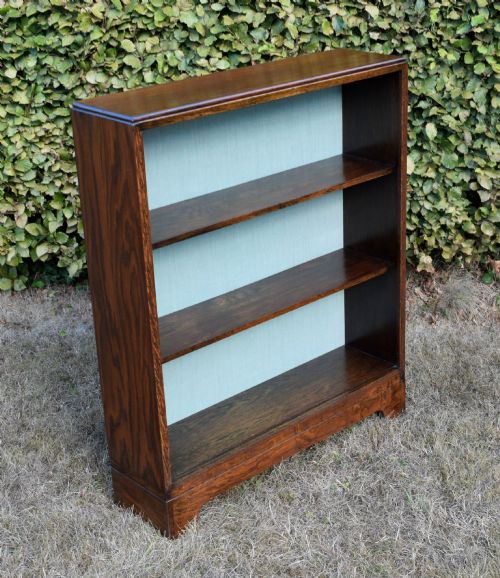
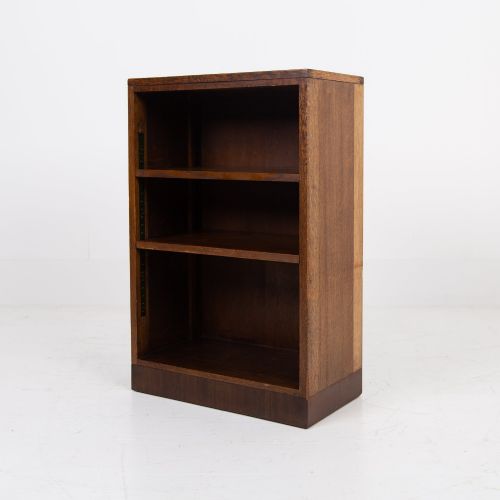
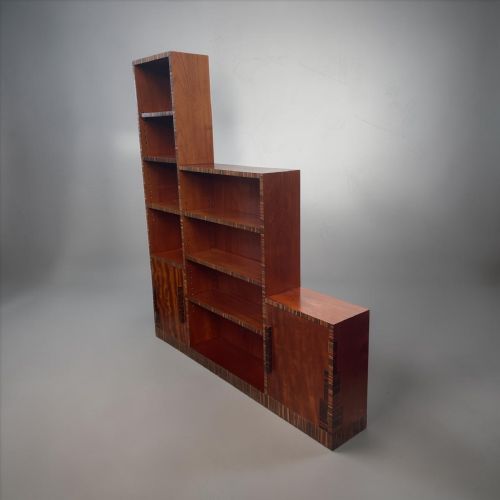
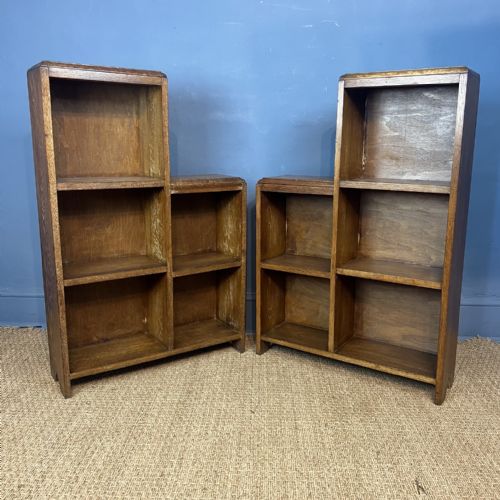
Art deco open shelves encompass bookcase forms, tiered cabinets, and sectional bookshelves designed primarily during the 1930s. These pieces often feature stepped silhouettes and architectural profiles that define the period aesthetic.
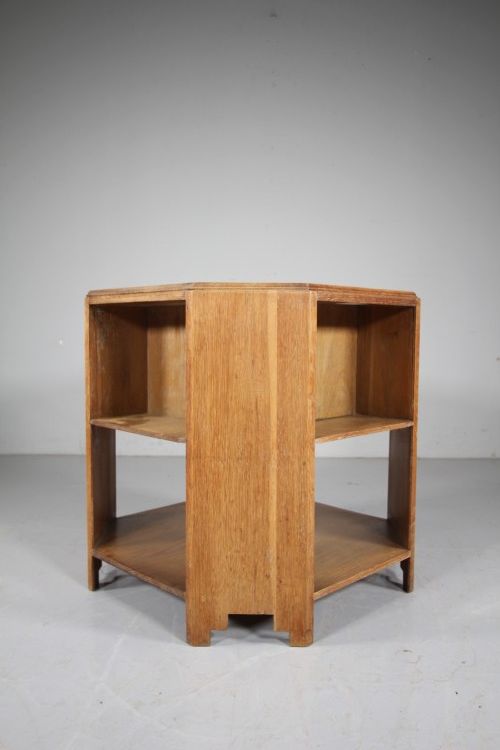
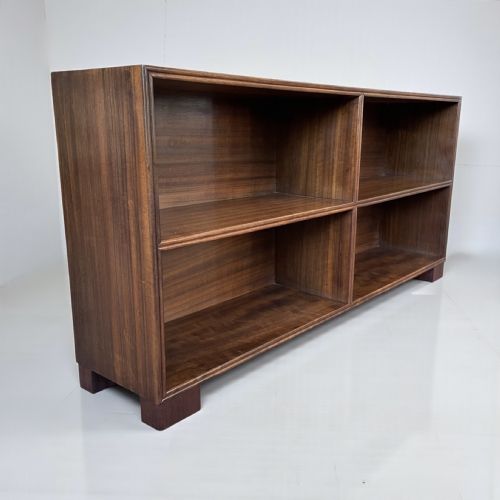
Buyers will most frequently encounter oak and mahogany examples from the 1930s, alongside occasional walnut and ebonised pieces. The selection ranges from compact bedside bookcases to larger standing display units.
What varies in quality
The choice of timber veneer and grain matching dictates the visual impact at the upper end of the scale. Pieces utilising figured walnut or ash display greater decorative ambition than plain utility versions.
Attribution to known workshops introduces distinction, particularly pieces bearing maker details or specific architectural styling. The crispness of stepped mouldings and overall structural integrity further separate standard examples from finer ones.
Art Deco Open Shelves Retail Price Guide 2026
Typical asking prices for art deco open shelves among the pieces listed under this phrase on Sellingantiques today, from the lower quarter to the upper quarter. They describe what is for sale here now, not the wider market.
Early twentieth-century makers ensured even bedside tables doubled as miniature architectural statements with stepped tiers.
Heals·Betty Joel·Maurice Adams·Sandberg & Co
The Art Deco Open Shelves Glossary
- Stepped bookcase
- A shelving unit featuring diminishing tiers that create a profile resembling a ziggurat or staircase. This form is a hallmark of 1930s modernist furniture design.
- Veneer
- A thin layer of choice wood adhered to a secondary timber base to provide an ornamental surface. Walnut and ash veneers are common on period pieces.
- Book trough
- A small desktop or freestanding rack designed to hold a selection of volumes upright in a V-shape. They often appear in mahogany or oak.
- Ebonised
- Timber treated with a dark finish to resemble ebony wood. This treatment produces a stark, uniform black surface popular in modern room schemes.
Art Deco Open Shelves: Frequently Asked Questions
How do I identify a 1930s piece?
Look for characteristic geometric stepped profiles, linear mouldings, and the use of veneers like walnut and ash over solid timber cores. These construction traits distinguish interwar production from earlier Edwardian designs.
Hardware, where present, tends to follow streamlined modernist principles without heavy traditional ornamentation.
Are these shelves suitable for heavy books?
Most period bookcases are built from sturdy hardwoods like oak and mahogany, providing reliable structural support for standard collections. However, the open configuration means shelf depth and thickness dictate the weight capacity.
Distributed loading across the tiers ensures the timber framing remains stable over long periods of use.
How should I clean wood veneer?
Dust surfaces regularly with a soft, dry cloth to prevent particulate buildup on the polished timber. Avoid chemical sprays or excessive moisture which can penetrate the veneer layers and cause lifting.
Occasional application of appropriate wax polish helps maintain the lustre of the original finish.
What is Swedish Grace style?
Swedish Grace is a sophisticated neoclassical style bridging classicism and early modernism during the 1920s and 1930s. It emphasises restraint, refined proportions, and graceful integration of materials.
Pieces from this movement often display subtle detailing distinct from heavier continental counterparts.