


Art Deco Medallion
These art deco medallion pieces bring together geometric forms, precious metals and intricate glasswork from the interwar years.
Art Deco Medallion
When you search for an art deco medallion, you encounter a distinct group of circular and plaque-form objects spanning pendants, charms, and decorative plaques. These pieces range from sporting medallions and religious charms to pate-de-verre glass pendants and bronze plaques.
The selection here draws primarily from the 1920s and 1930s, alongside earlier Victorian and Edwardian examples that anticipate the geometric shift. You will find pendants rendered in silver, gold and glass, sitting alongside larger textile forms including Chinese carpets and rugs.
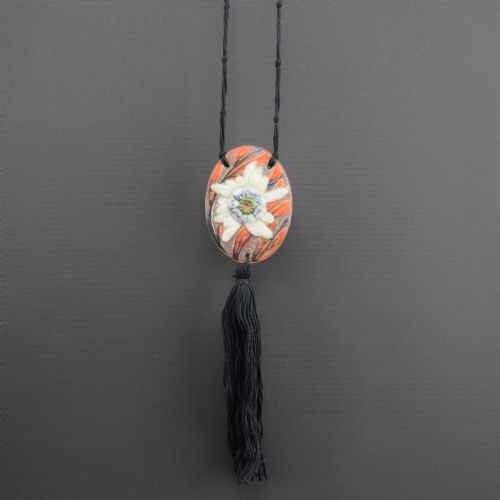
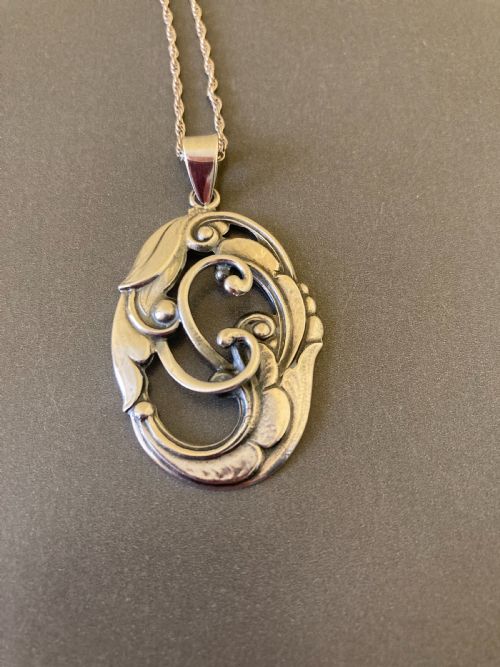
Most frequently, the pieces take the form of wearable silver or gold medallions, often struck to commemorate sporting events or religious figures. Alongside these metalwork items, glass medallions and plaques by makers such as Argy Rousseau and Amalric Walter represent the sculptural side of the style.
Materials and methods of construction
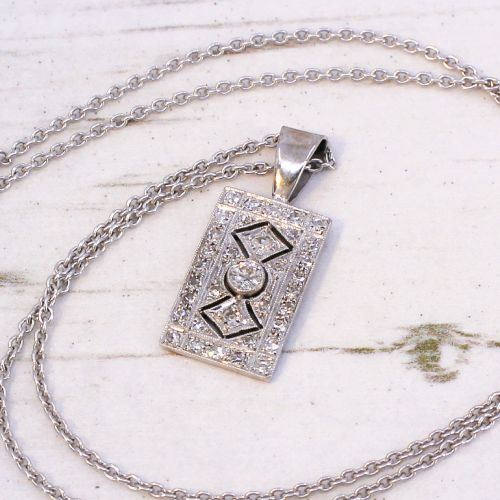
Metalwork pieces rely on sterling silver, 18K yellow and white gold, and bronze, often shaped through casting, stamping or repoussé techniques. Surface decoration frequently incorporates enamel, shagreen, and old-cut diamonds set into the precious metal.
Glass medallions utilise the pate-de-verre technique, where crushed glass is packed into a mould and fired to produce rich, translucent colours and tactile textures. Textile pieces like the Chinese carpets are hand-knotted from wool and cotton using traditional regional techniques.
The material palette ranges from precious diamonds and 18K gold down to cotton thread and textile cord.
Distinctions in quality and execution
The finest metalwork displays crisp, deep relief stamping and clean hand-finishing on both sides, whereas lesser examples show softened details and shallower engraving. In diamond-set pieces, the cut and clarity of the stones distinguish standard production items from finer jewelled commissions.
For pate-de-verre glass, quality rests in the subtlety of the colour shading and the sharpness of the moulded botanical or insect motifs. Textile pieces depend on the density of the knotting and the preservation of the original pile in the wool and cotton.
Argy Rousseau·Paul Brandt·Amalric Walter·Roger Guerin·Lucien Bazor
The Art Deco Medallion Glossary
- Pate-de-verre
- A glass-making method where crushed glass is packed into a refractory mould and kiln-fired to create translucent objects with textured surfaces. This technique produces deep colour saturation and fine sculptural detail.
- Medallion
- A large medal-shaped pendant or plaque, often issued to commemorate a specific sporting victory, institution or event. These objects are typically struck in silver or bronze and dated.
- Shagreen
- Undyed sharkskin or rayskin used as an exotic decorative surface covering on small objects and jewellery mounts. It provides a distinctive pebbled texture.
- Peking carpet
- Hand-knotted floor coverings originating from China featuring traditional motifs rendered in wool and cotton. These textiles often share the geometric simplification seen in later art deco design.
- Repoussé
- A metalworking technique where the design is hammered into relief from the reverse side of the sheet metal. This method allows artisans to create raised decorative panels on pendants and plaques.
Art Deco Medallion: Frequently Asked Questions
How do I date a silver art deco medallion?
Many metal medallions from this era carry explicit dates, hallmarks or maker marks stamped into the silver or gold surface. Examining the style of the lettering and the purity marks helps narrow the decade of production.
Purely stylistic clues, such as rigid geometric borders or stylised floral motifs, also point towards the 1920s and 1930s manufacturing periods.
Were all art deco medallions worn as jewellery?
While the majority of silver and gold examples function as pendants, charms or fob medals, larger versions exist as standalone bronze plaques. These heavier plaques were designed for display rather than personal adornment.
Textile medallions and carpets share the decorative impulse of the metal pieces but serve an entirely different domestic function on the floor.
What is pate-de-verre glass?
Pate-de-verre translates to glass paste, a kiln-casting method where finely crushed glass is mixed with a binder and melted in a mould. This process results in a dense, slightly frosted object with mottled colour effects.
Artists utilised this method to create intricate pendants and decorative plaques featuring botanical subjects.
How should I care for an antique gold pendant?
Precious metals and diamonds benefit from gentle cleaning with a soft cloth and warm soapy water, avoiding harsh chemical dips that can damage delicate surfaces. Items incorporating shagreen or textile cords require dry conditions to prevent moisture damage.
Store each piece individually in a lined box to prevent scratching against other items.