




Art Deco Leather Case
When you search for an art deco leather case, you encounter travel pieces, vanity boxes and fitted containers embodying the geometric precision of the period.
Art Deco Leather Case
An art deco leather case encompasses functional containers designed during the early-to-mid twentieth century, spanning from jewellery boxes and writing boxes to travel trunks and vanity cases. You will frequently encounter items originating from the 1920s and 1930s, reflecting the streamlined aesthetics popular during those decades.
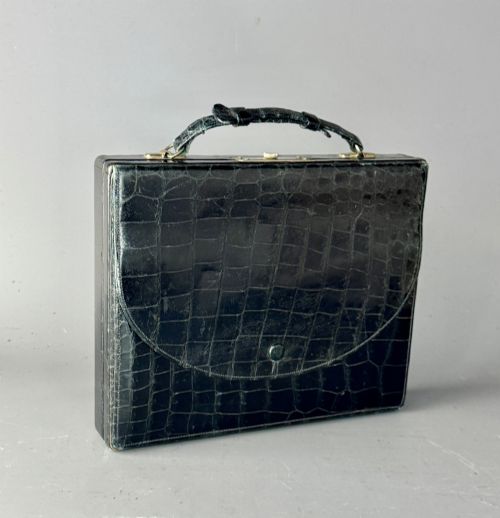
The selection ranges from compact crocodile leather vanity cases and rectangular jewellery boxes to larger hat trunks and display cabinets incorporating leather elements. These objects served the practical travel and storage needs of the era while displaying distinctive period craftsmanship.
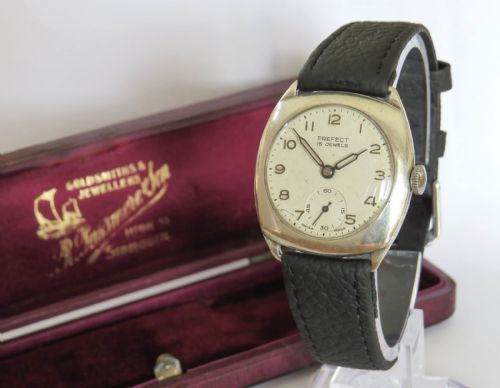
Many of these containers were made to house specific items such as travel clocks or personal accessories, occasionally retaining their original fitted interiors. The materials combine sturdy structural foundations with tactile exterior finishes that demonstrate the period's preference for sophisticated textures.
How they were made
The construction of these pieces relies on durable core materials such as wood or metal, which provide structural integrity to trunks, boxes and cabinets. Artisans then applied exterior coverings of standard leather or exotic skins like crocodile, securing the hides with precise stitching and metal hardware.
Interior compartments frequently utilise complementary materials including glass, brass, chrome and silk linings to protect delicate contents. Metal components often feature chrome-plating or gold fill, aligning with the industrial capabilities and design preferences of the interwar period.
Materials recorded across the selection include standard leather, crocodile leather, brass, glass, wood, stainless steel, chrome, and gold filled components.
What varies in quality
The distinction between tiers of these items rests largely on the choice of exterior hide and the integrity of the underlying construction. Pieces utilising exotic skins like crocodile or employing specialised structural framing demonstrate a higher grade of original manufacture than standard utility boxes.
Another factor is the retention of original internal fittings, such as specialised velvet linings, brass clasps, or matched glass and metal accessories. Examples that retain their authentic interior hardware and structural soundness represent the finer end of what survives from this era.
Dunhill London·Harrods of London·Goyard·Bulova·Elgin·Larex·LeCoultre·Smiths
The Art Deco Leather Case Glossary
- Art Deco
- A design style dominant in the 1920s and 1930s characterised by sleek geometric shapes, streamlined forms and modern industrial materials. It influenced everything from architecture to small personal accessories.
- Crocodile Leather
- A premium hide utilised for luxury luggage, vanity boxes and writing cases due to its distinctive scale pattern and natural durability. It remains a hallmark of high-end interwar travel goods.
- Gold Filled
- A method where a layer of gold is mechanically bonded to a base metal core, offering greater thickness than standard gold plating. This technique was commonly used on metal accents and associated items from the period.
- Vanity Case
- A portable container designed to hold cosmetics, grooming tools and personal requisites during travel. These pieces frequently feature fitted internal compartments and secure locking mechanisms.
Art Deco Leather Case: Frequently Asked Questions
What fits inside an art deco leather case?
These containers were typically built to hold specific personal effects, ranging from writing implements and jewellery to travel clocks and cosmetics. Smaller boxes suit desktop use, while larger trunks accommodated wardrobe items for extended journeys.
Many retain original interior dividers or fitted trays designed to keep delicate items organised during transit. Their internal layouts reflect the specific travel habits of the interwar period.
How do I care for vintage leather?
Preserving these materials requires stable environmental conditions away from direct sunlight and excessive moisture to prevent the hide from drying or cracking. Gentle dusting and occasional specialist conditioning help maintain the suppleness of the leather.
Metal clasps and brass fittings benefit from minimal intervention, avoiding harsh polishes that might damage surrounding surfaces. Keeping the interior clean ensures the longevity of original linings and fabrics.
Were these cases used for travel?
Many examples were specifically engineered for mobility, featuring robust construction and secure locking mechanisms to withstand the rigours of train and steamship journeys. Sturdy trunks and fitted vanity cases formed an essential part of a traveller's luggage.
Other variants, such as desktop jewellery boxes and writing cases, remained stationary in homes or offices. The presence of handles, reinforced corners, and travel clocks usually indicates a portable design intended for transit.
How can I tell the 1920s from the 1930s?
Pieces from the 1920s frequently exhibit transitional Victorian influences alongside emerging modernist geometries, often utilising traditional wood foundations with rich leather or skin exteriors. Decorative motifs tended to be slightly more ornate.
By the 1930s, designs leaned further into streamlined industrial aesthetics, incorporating chrome, stainless steel, and minimalist geometric forms. Examining the hardware and interior styling helps indicate the specific decade of manufacture.