

Art Deco Lamp Shade
An art deco lamp shade brings geometric clarity and diffused light to a room, channelling the optimistic industrial spirit of the interwar decades.
Art Deco Lamp Shade
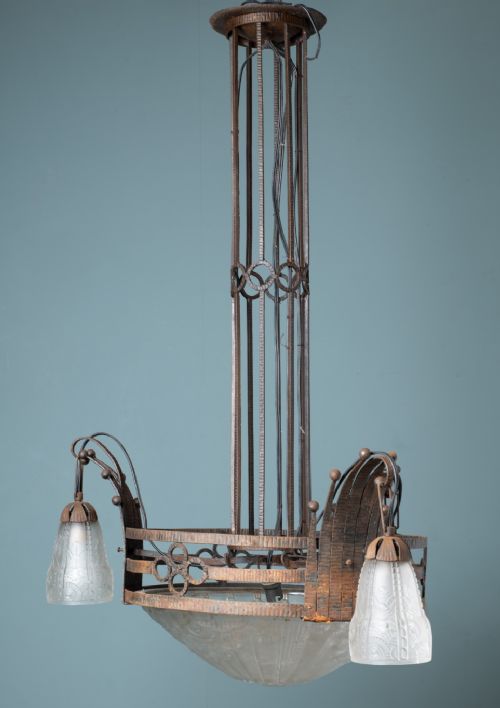
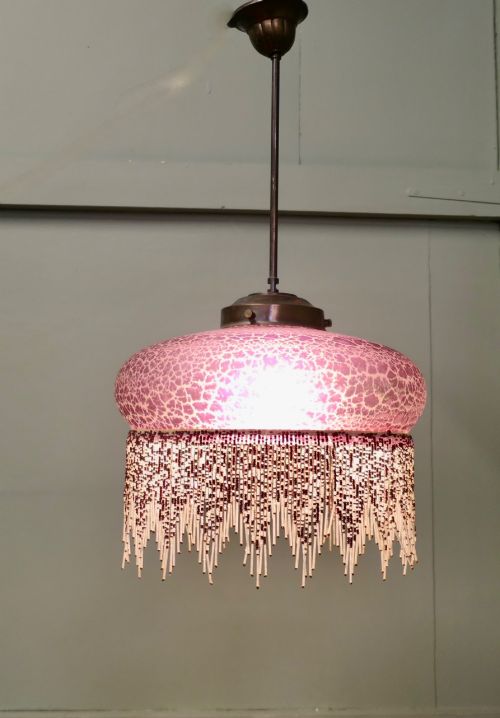
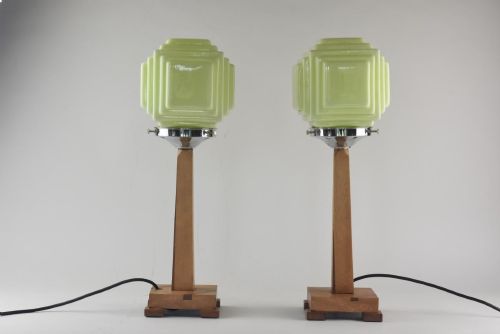
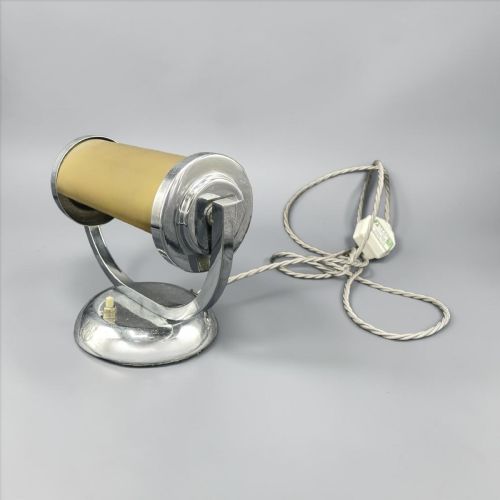
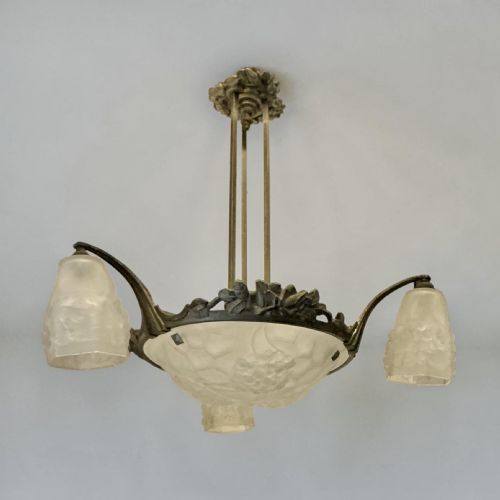
When searching for an art deco lamp shade, buyers encounter distinct glass and metal diffusers designed for pendants, wall sconces and table lamps. These pieces originate predominantly from the nineteen-twenties and nineteen-thirties, reflecting the streamlined aesthetics of the period.
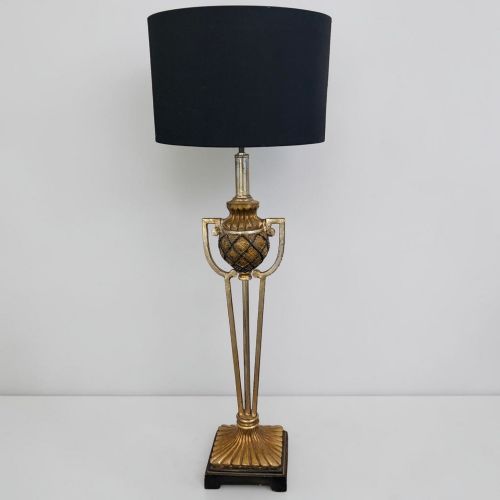
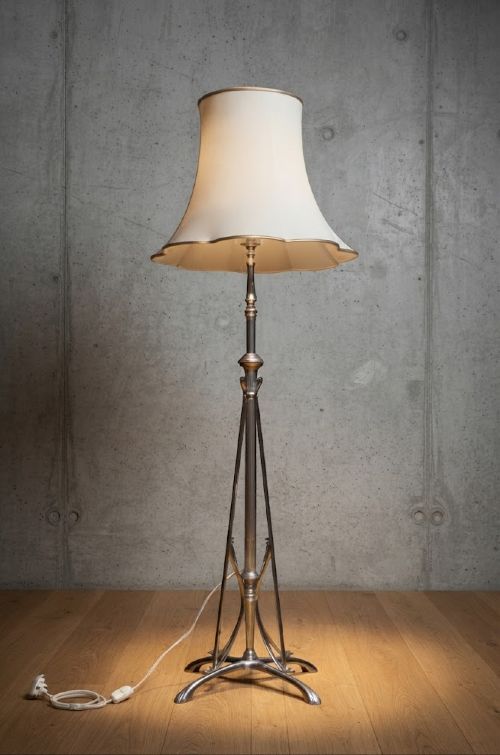
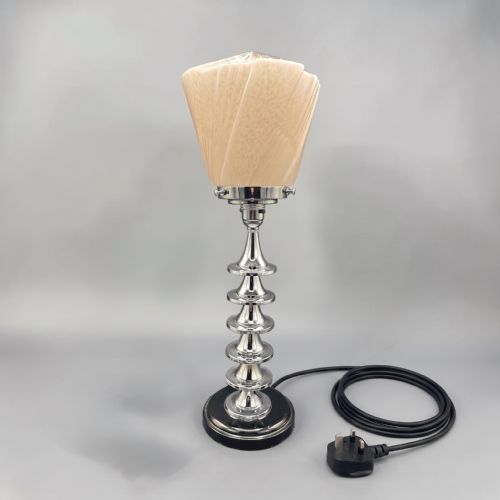
The most common items on this page are moulded glass shades, often found paired with brass, chrome or marble bases. French and English workshops dominate the selections, alongside occasional Dutch Amsterdam School and German Jugendstil variants.
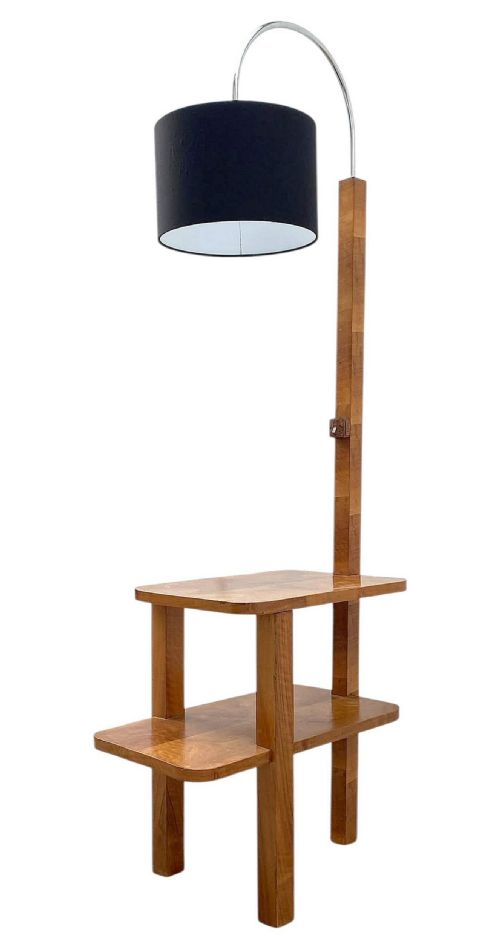
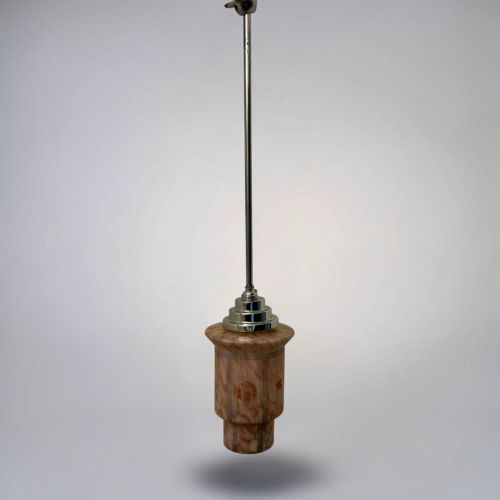
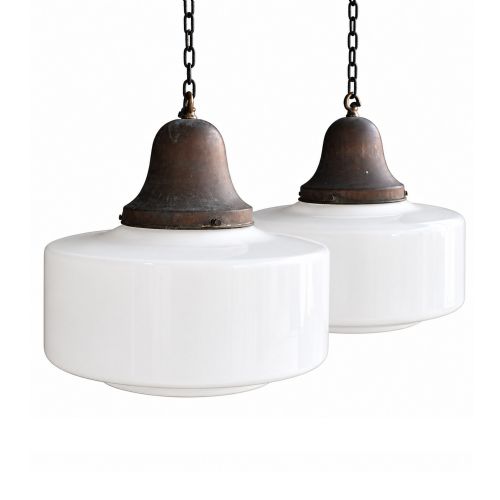
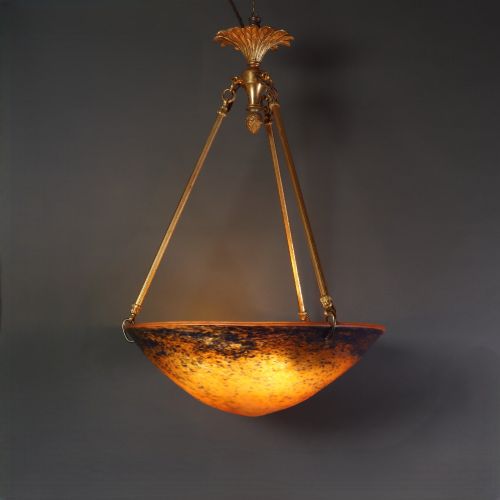
Pendant lights and ceiling plafonniers appear frequently, alongside shades intended for desk lamps and standard floor lamps. Geometric motifs, frosted surfaces and opaline finishes define the visual language of these survivals.
Materials and Techniques
Makers utilised pressed, moulded and cut glass to diffuse illumination evenly while displaying crisp geometric patterns. Frosted and opaline finishes soften the glare of early electric bulbs, while crackle glass and hand-painted details add texture.
Mountings and frames rely heavily on cast brass, patinated copper, or chrome-plated metal to anchor the glass components securely. Heavier fixtures incorporate solid marble bases and ormolu mounts to provide structural stability.
Art Deco Lamp Shade Retail Price Guide 2026
Typical asking prices for art deco lamp shade among the pieces listed under this phrase on Sellingantiques today, from the lower quarter to the upper quarter. They describe what is for sale here now, not the wider market.
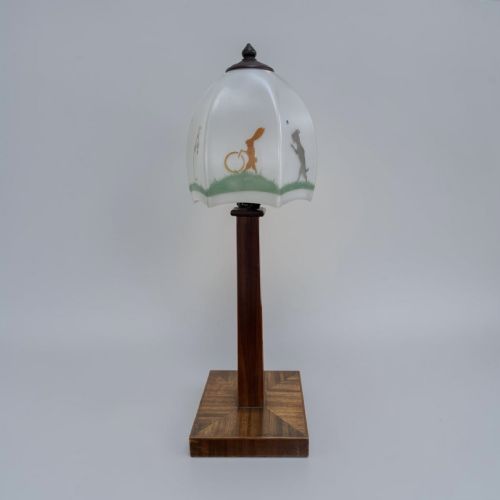
A French novelty table lamp shaped as a dog and parrot keeps watch from the nineteen-thirties.
Evaluating the Make
The distinction between standard commercial production and superior execution lies in the depth of the glass moulding and the crispness of the metal casting. High-grade shades display sharp geometric relief and uniform thickness without distortion in the glass.
Assembly methods also separate the tiers, with top-tier pieces utilising substantial brass or chrome galleries rather than lightweight stamped alternatives. Original patination and heavy marble or ormolu integration indicate higher workshop standards.
Charles Schneider·Degué·Émile-Jacques Ruhlmann·Stuart Crystal
The Art Deco Lamp Shade Glossary
- Plafonnier
- A ceiling light fixture mounted flush or close to the ceiling, typically featuring a large moulded glass bowl held by metal clips or a central bolt. These direct light downwards into the space.
- Opaline glass
- A milk-white translucent glass that diffuses light softly without harsh hotspots. It was widely utilised across nineteen-twenties lighting design.
- Slip shade
- A type of shade composed of individual moulded glass panels that slip into a metal frame or basket. They form an integral part of many American and European fixtures from the period.
- Ormolu
- Gilded bronze used for decorative mounts and fittings on high-end lighting fixtures. It provides a warm metallic contrast to glass shades.
Art Deco Lamp Shade: Frequently Asked Questions
How do I clean antique glass shades?
Wash the glass gently in lukewarm water using mild soap, avoiding harsh abrasives that might damage frosted or hand-painted surfaces.
Dry thoroughly with a soft cloth before reattaching the shade to its metal gallery.
Are these shades compatible with modern fittings?
Many vintage shades fit standard modern lamp holders, though older fitter sizes can occasionally require specialist adapters.
Checking the internal diameter of the shade opening ensures a secure match with existing hardware.
How do I identify nineteen-twenties lighting?
Look for characteristic geometric motifs, stepped forms and industrial metals like chrome and patinated brass typical of the interwar era.
Signatures or moulded maker marks on the glass rims often confirm the period of manufacture.
Can these pendants be hung at adjustable heights?
Hanging height depends on the original suspension cord, chain or rod provided with the specific ceiling light fixture.
Professional rewiring allows for safe adjustment to suit standard ceiling clearances in modern homes.