
Art Deco Jewelry
Art deco jewellery brings together geometric precision and brilliant gemstones from the 1920s and 1930s for the discerning collector.
Art Deco Jewelry
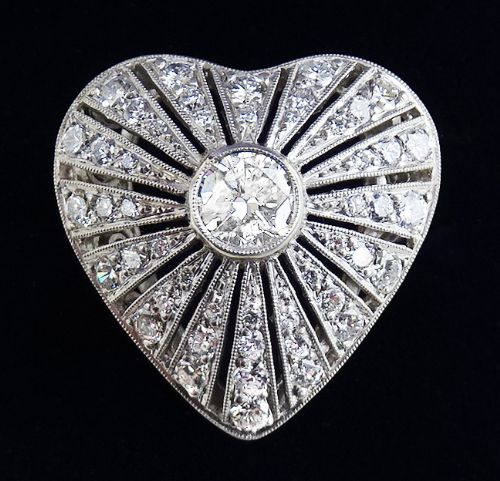
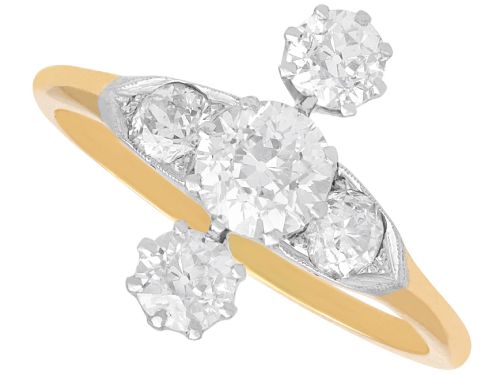
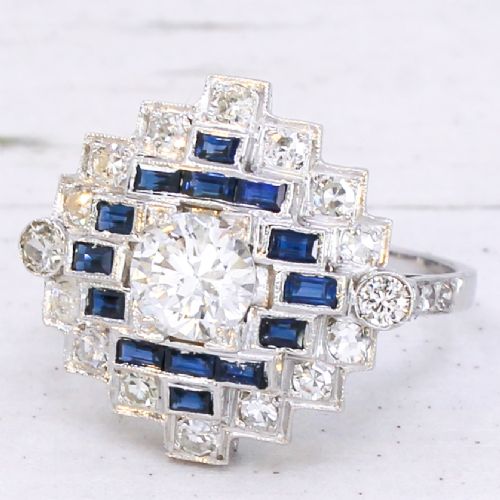
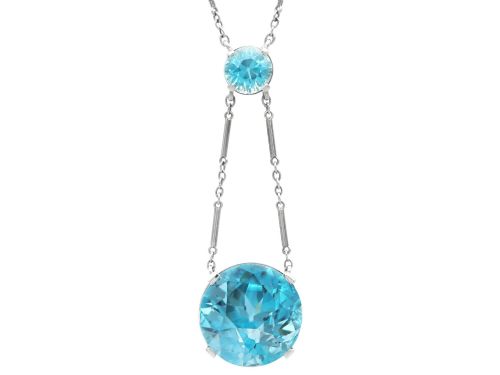
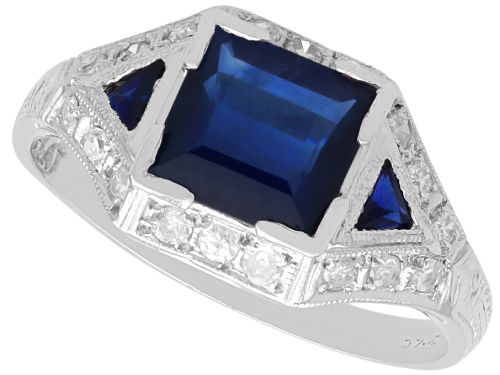
When you search for art deco jewellery, you encounter an array of period rings, brooches, bracelets, necklaces, earrings, and pendants originating primarily from the 1920s and 1930s. These items showcase distinct aesthetic movements spanning the 1910s through the 1940s, including Edwardian influences alongside classic art deco designs.
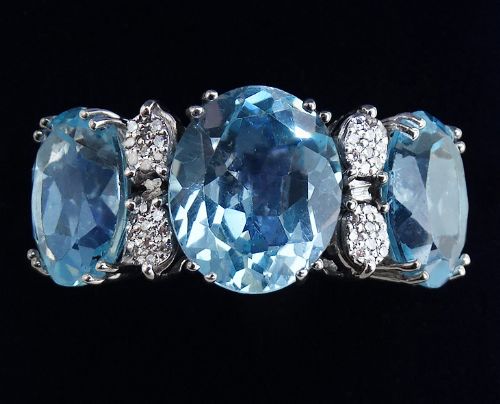
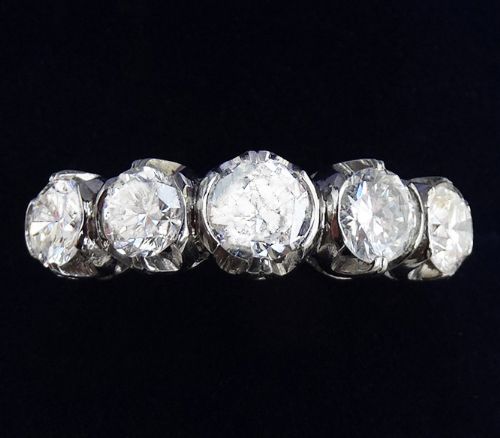
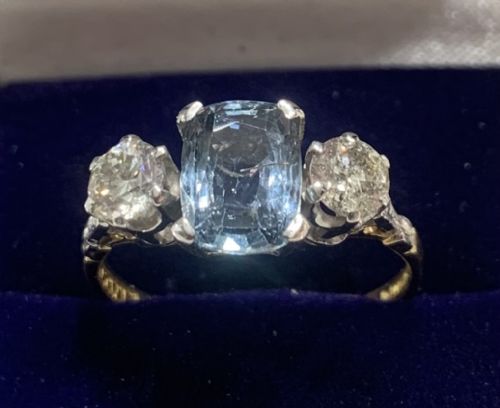
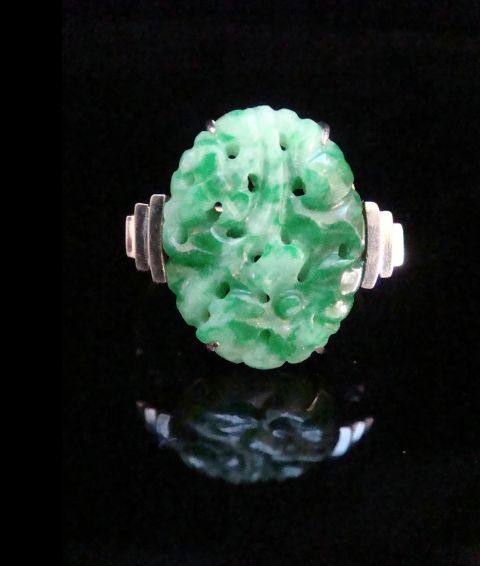
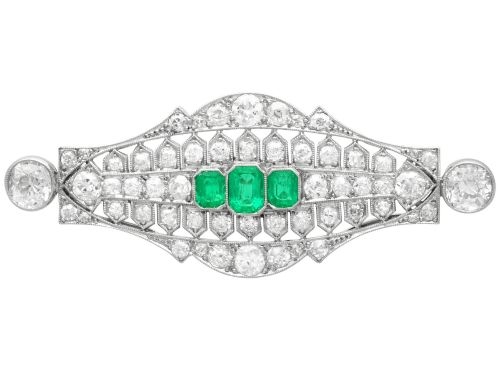
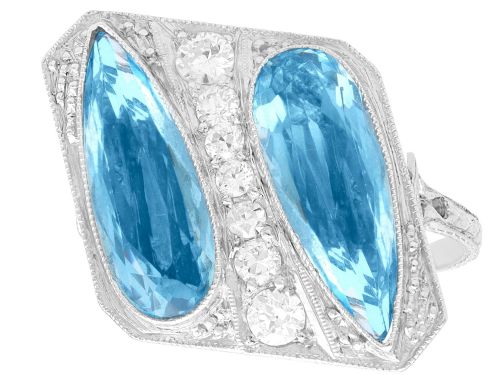
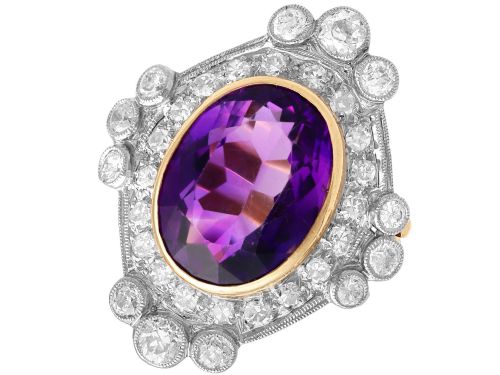
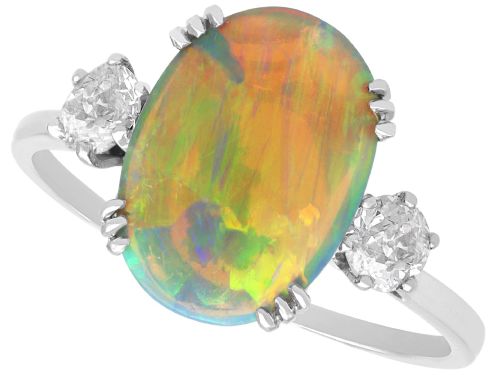
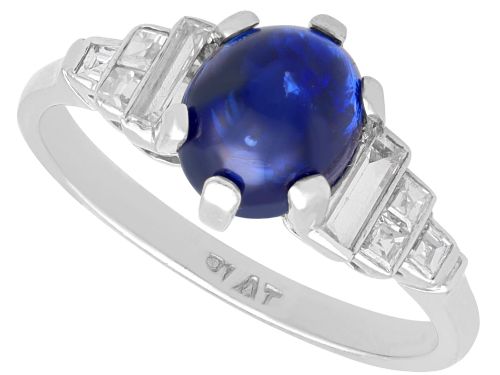
The selections available here feature striking cocktail rings, cluster rings, ballerin rings, and line bracelets configured in platinum, white gold, and yellow gold. Central gemstones range from diamonds, emeralds, and sapphires to zircons, aquamarines, opals, and jade.
Materials and Technique
Makers of this era utilised platinum extensively alongside 18ct white gold, 18ct yellow gold, and 9ct gold to mount intricate stone settings. The durability of platinum allowed artisans to construct delicate openwork without sacrificing structural integrity.
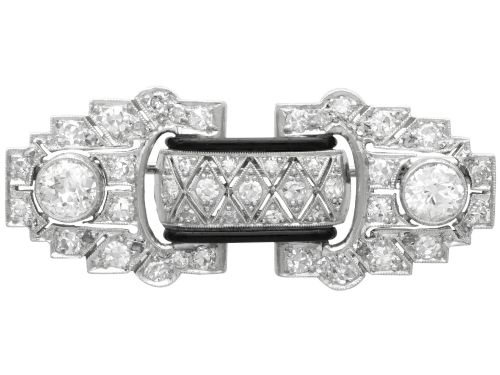
Gems such as diamonds, rubies, sapphires, emeralds, and pearls were meticulously cut and arranged alongside black enamel accents to create high-contrast geometric patterns.
Listings span periods from Edwardian and 1910 through the 1920s, 1930s, and 1940s, incorporating platinum, white gold, yellow gold, and diverse gemstones.
Assessing Quality
Execution of the design also dictates standing, where precise stone matching, disciplined geometric symmetry, and preserved enamel work elevate an item above standard production.
Cartier
The Art Deco Jewelry Glossary
- Platinum
- A dense, durable precious metal favoured during the period for its ability to hold fine gemstone settings securely. Its natural white lustre complements the brilliance of diamonds.
- Cocktail Ring
- A large, prominent ring designed to draw attention during evening social events. These frequently combine substantial coloured stones with diamond pavé.
- Ballerina Ring
- A distinctive cluster design where baguette-cut diamonds surround a central stone in a tutu-like silhouette. This configuration creates dynamic movement and light play.
- Line Bracelet
- A flexible wrist ornament featuring a continuous straight row of gemstones, typically diamonds. The articulating links provide fluid movement around the wrist.
- Trilogy Ring
- A three-stone setting representing the past, present, and future. It often pairs a prominent centre diamond or coloured gem with matching side stones.
Art Deco Jewelry: Frequently Asked Questions
What defines art deco jewelry?
Art deco jewellery is characterised by bold geometric lines, symmetrical patterns, and a heavy reliance on platinum paired with diamonds and contrasting coloured gemstones.
Originating in the interwar period of the 1920s and 1930s, this aesthetic moved away from flowing organic Edwardian motifs into structured architectural forms.
How do I wear these pieces?
These items integrate smoothly into modern wardrobes by serving as focal statement pieces for evening wear or adding vintage contrast to daily attire.
Care should be taken with delicate elements like seed pearls and antique enamel when pairing them with modern accessories.
How do I tell periods apart?
Distinguishing the eras relies on observing the transition from soft, lacy Edwardian platinum filigree to the rigid, streamlined geometry of the 1930s.
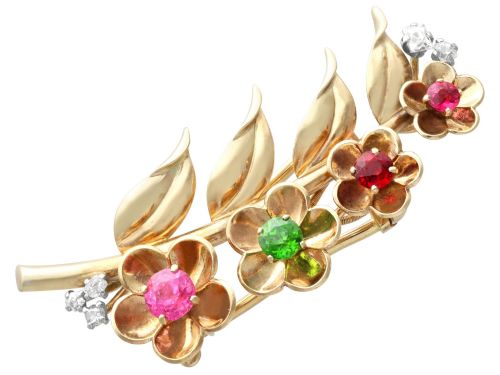
Later pieces from the 1940s often heavier yellow gold settings due to wartime platinum restrictions.
What metals were used?
Platinum was the predominant metal of choice for high-end pieces due to its strength and bright white finish.
White gold and yellow gold also appear frequently, particularly in rings and brooches produced throughout the 1930s.