



Art Deco Jewellery Box
These art deco jewellery box pieces combine period design with practical storage, offering a tangible link to early twentieth-century craftsmanship.
What an art deco jewellery box is
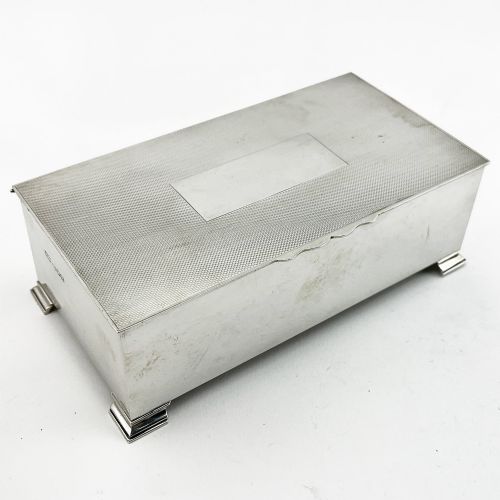
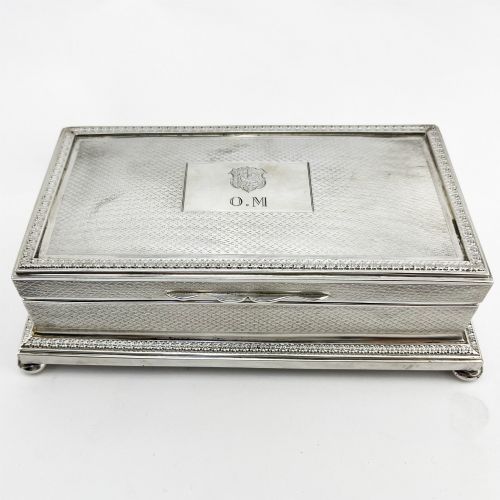
An art deco jewellery box sits among a varied selection of small storage containers originating from the early decades of the twentieth century. These pieces encompass distinctive geometric styling alongside earlier Victorian iterations and George V designs.
The objects take several physical forms, ranging from compact leather trunks to wooden caddies and silver-mounted containers. Many incorporate interior trays, mirrors, or specialised compartments designed to hold rings, necklaces, and trinkets securely.
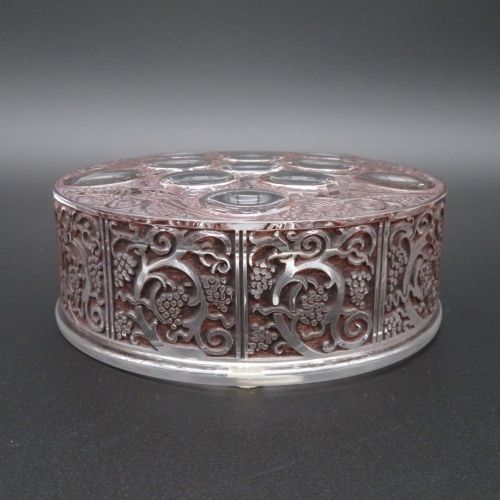
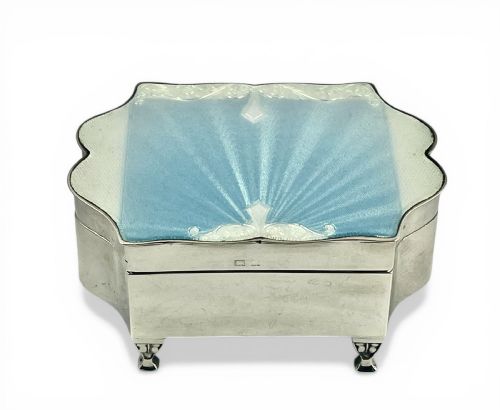
Origin points span English provincial assays, Birmingham workshops, and French studios, providing a cross-section of domestic manufacture. Buyers encounter both sterling silver examples with guilloche enamel and utilitarian variants constructed from hide or timber.
Materials and construction methods
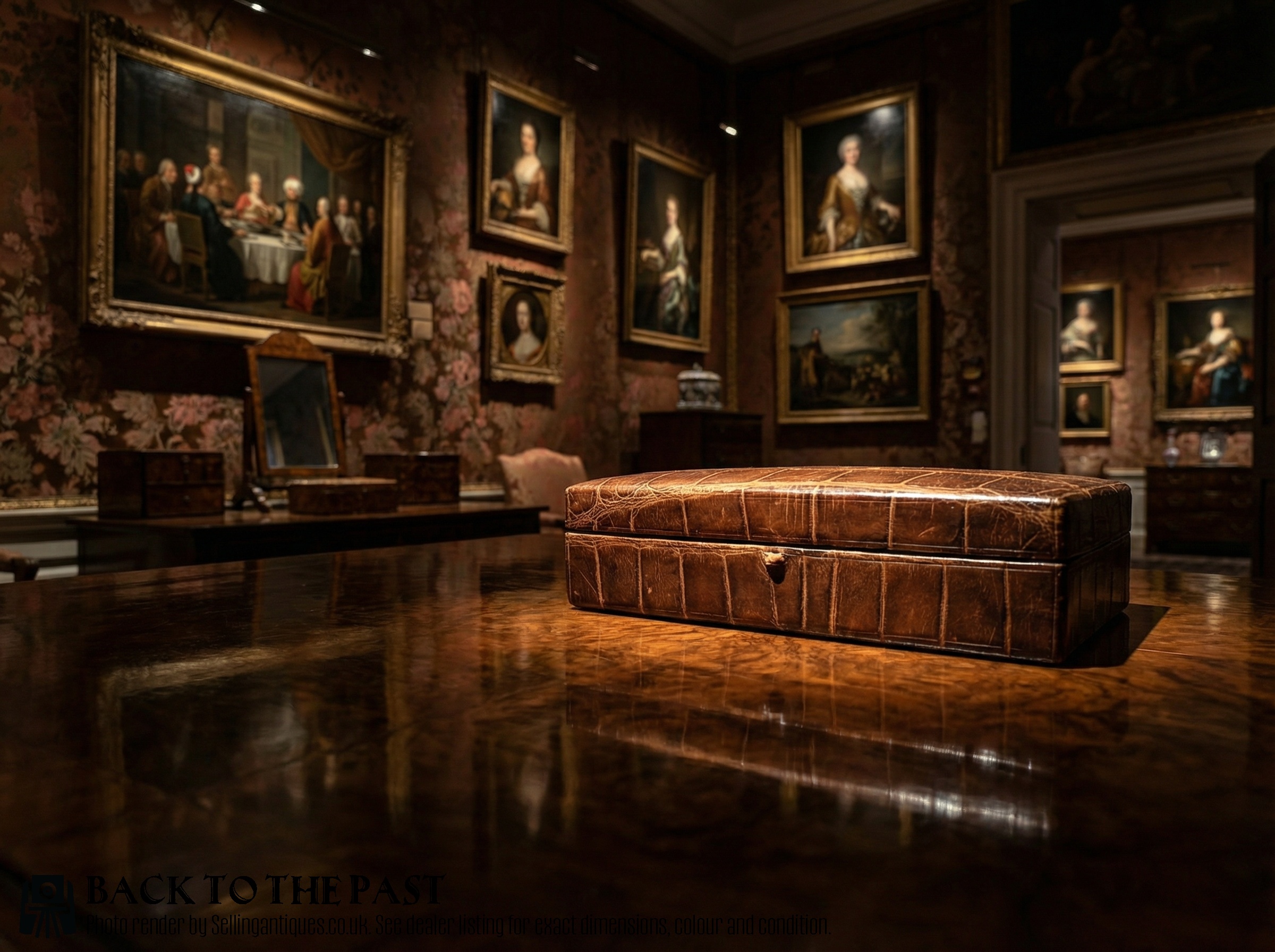
Makers utilised a diverse palette of organic and metallic substances, combining sterling silver, brass, and plated metals with structural woods like ebony and satinwood. Exotic textures also appear through the use of crocodile skin and leather.
Surface decoration relies heavily on coloured guilloche enamel work, geometric sunray wood inlay, and ebonised finishes. Interiors frequently feature fitted mirrors, hinged trays, and textile linings to complement the rigid exterior shells.
Retail Price Guide 2026
Typical UK retail prices for art deco jewellery box, calculated from the Sellingantiques database of over a million retail prices indexed since 2003. This retail price guide relies exclusively on Sellingantiques data; no external sources or auction records are used, so the figures do not describe the wider market.
Recorded periods span the Victorian era, the nineteen-twenties, and the nineteen-thirties.
Factors influencing quality
Quality rests upon the selection of materials and the precision of decorative techniques, such as the clarity of guilloche enamel and the alignment of wood inlay work. Solid silver frameworks and signed maker marks indicate higher tiers of production.
The inclusion of original functional elements, including working keys, fitted mirrors, and intact interior trays, distinguishes superior examples. Superior craftsmanship also shows in the durability of hinges, clasps, and skin or leather bindings.
Deakin and Francis·The Adie Brothers·James Deakin and Sons·Elkington and Co
The Art Deco Jewellery Box Glossary
- Guilloche enamel
- A decorative technique involving precise mechanical patterns engraved beneath translucent enamel. This method was widely applied to silver boxes during the nineteen-twenties.
- Sterling silver
- A silver alloy containing ninety-two point five percent pure silver by mass. Assay office hallmarks on these containers confirm its standard and origin year.
- Ebonised wood
- Timber treated to resemble ebony through staining or painting. It provides a dark, uniform surface common in twentieth-century decorative boxes.
- Sunray inlay
- A specific geometric wood marquetry pattern radiating outward from a central point. It embodies the characteristic styling of the nineteen-thirties.
Frequently Asked Questions
How do I date an art deco jewellery box?
Dating relies primarily on official silver hallmarks, assay office marks, and stamped registration numbers found on metal components. Stylistic indicators like geometric sunray inlay or guilloche enamel also point toward the nineteen-twenties and thirties.
Items lacking metal mounts require examination of construction techniques, wood species, and fastener styles. Comparing these physical characteristics with dated examples in the archive clarifies the likely period of manufacture.
What materials were used for these boxes?
Makers constructed these containers from a broad range of media, including sterling silver, plated metals, brass, and solid timber. Exotic accents like crocodile skin and leather provide distinct exterior textures.
Internal fittings often incorporate mirrors, silk linings, and wooden trays. Ebonised wood and satinwood frequently appear alongside contrasting inlay materials.
How were these boxes used originally?
These containers served as functional dressing table accessories for holding rings, necklaces, cufflinks, and personal trinkets. Fitted interior compartments and trays kept specific pieces separated and protected from damage.
Many designs included locking mechanisms with matching keys to secure valuables. Mirrored lids added practical utility for individuals checking jewellery while getting ready.
Are these boxes suitable for daily use?
Sturdy construction in leather, wood, and silver allows these containers to house modern jewellery collections securely. Original hinges and clasps generally withstand regular opening and closing if handled with care.
Delicate surfaces, particularly guilloche enamel or aged leather bindings, benefit from gentle placement away from direct sunlight. Ensuring interiors remain dry protects original fabric linings.