





Art Deco Glass Stopper
An art deco glass stopper completes the geometry of a period decanter or scent bottle, bringing precision to dressing tables and cocktail cabinets.
Art Deco Glass Stopper
An art deco glass stopper forms the defining closure for scent bottles, perfume bottles, and decanters from the 1920s and 1930s. These pieces include moulded, opalescent, and frosted glass designs originating from makers in France, England, and Czechoslovakia.
The form ranges from simple geometric cuts to sculptural glass motifs such as butterflies. Buyers frequently encounter scent bottles and decanter sets featuring these exact stoppers, representing the characteristic aesthetic of the period.
How they were made
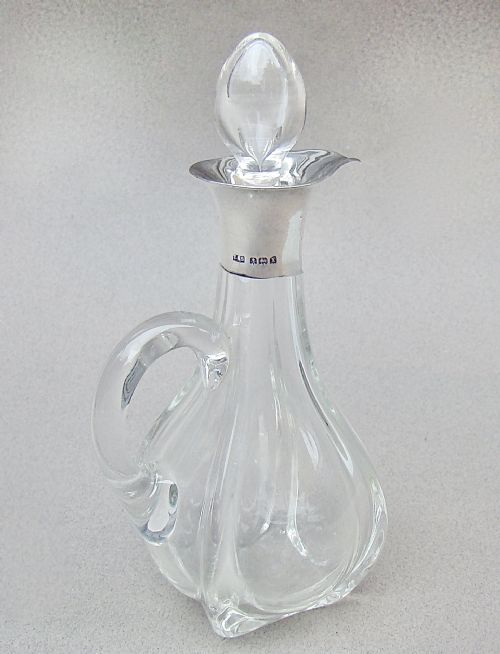
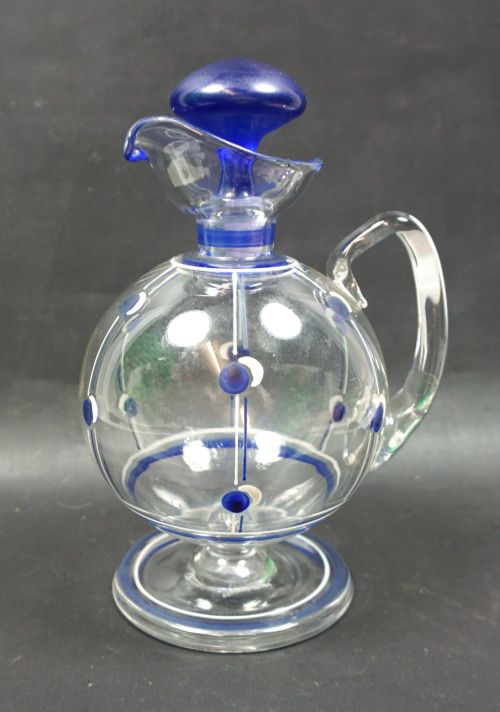
Glassmakers utilised moulding, frosting, and cutting techniques to shape crystal, amber glass, and opalescent glass into sharp geometric or figurative profiles. Many pieces incorporated additional decorative elements such as blue enamel or sterling silver mounts.
Craftsmen in Venice integrated latticinio bands into blown glass vessels, while workshops in Czechoslovakia and France applied surface decoration like enamel directly onto moulded crystal and glass.
Art Deco Glass Stopper Retail Price Guide 2026
Typical asking prices for art deco glass stopper among the pieces listed under this phrase on Sellingantiques today, from the lower quarter to the upper quarter. They describe what is for sale here now, not the wider market.
Butterflies serve as stoppers, allowing glass insects to perch permanently atop delicate scent bottles.
What varies in quality
The distinction in quality lies in the depth of the glass moulding, the clarity of the crystal, and the integration between the stopper and the neck of the vessel. Heavier opalescent glass and precise cutting indicate superior execution.
Consideration also rests on the preservation of delicate surface treatments, such as applied enamel decoration or silver mountings, which elevate the refinement of the piece.
Karl Palda·Hukin and Heath·René Lalique·Sabino
The Art Deco Glass Stopper Glossary
- Opalescent Glass
- Glass that displays a milky, translucent appearance with milky-blue highlights when viewed in the light. This technique was widely utilised by French makers during the interwar period.
- Latticinio
- A glassblowing technique featuring fine white or coloured threads embedded within clear glass. Venetian workshops employed this method to create intricate internal patterns.
- Frosted Glass
- Glass treated to achieve a matte, non-reflective surface texture through acid etching or sandblasting. It provides contrast against polished clear glass sections.
- Moulded Glass
- Glass shaped by being pressed into a prepared mould rather than free-blown. This process allowed workshops to produce complex three-dimensional stoppers consistently.
- Crystal
- A high-clarity glass containing mineral oxides that increase weight and brilliance. It forms the foundation for many cut glass decanters.
Art Deco Glass Stopper: Frequently Asked Questions
What are art deco glass stoppers made from?
These stoppers are formed from crystal, amber glass, opalescent glass, and frosted glass. Many examples incorporate silver mounts or enamel decoration.
The choice of material reflects the manufacturing techniques of the 1920s and 1930s, ranging from pressed glass moulds to hand-cut crystal.
How do I identify a period scent bottle stopper?
Look for characteristic design motifs such as geometric lines or moulded figural elements like butterflies. The glass type, whether frosted or opalescent, often indicates the origin.
Matching the proportions of the stopper to the neck of the perfume bottle or decanter helps confirm authenticity.
Where were these glass pieces manufactured?
Production centred primarily in France, Czechoslovakia, England, and Venice. Major glasshouses and independent designers operated within these regions during the interwar years.
Each region developed distinct traits, from French opalescent moulding to Bohemian crystal cutting and enamel work.
How should I display decanters and scent bottles?
Keep them on flat surfaces away from direct edges where stoppers might be dislodged. Ensure the stopper is placed securely into the decanter or bottle neck.
Displaying them together as a set highlights the matching glass tones and decorative enamel work.