

Art Deco Glass Shade Light
An art deco glass shade light delivers geometric elegance and diffused illumination, anchoring a room with period character.
Art Deco Glass Shade Light
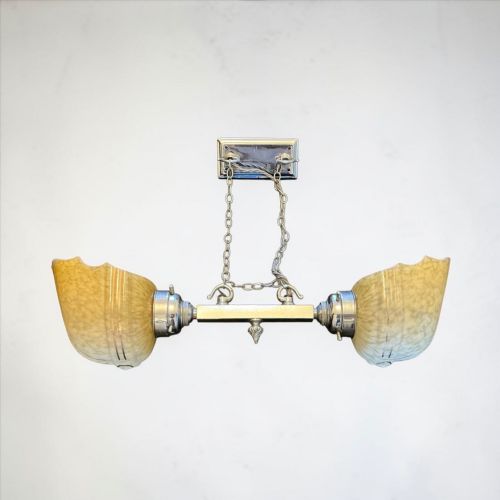
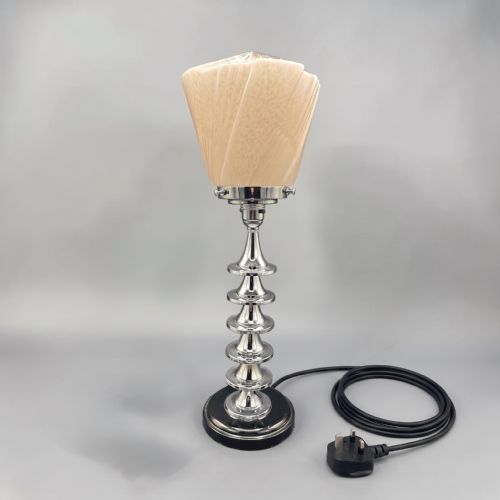
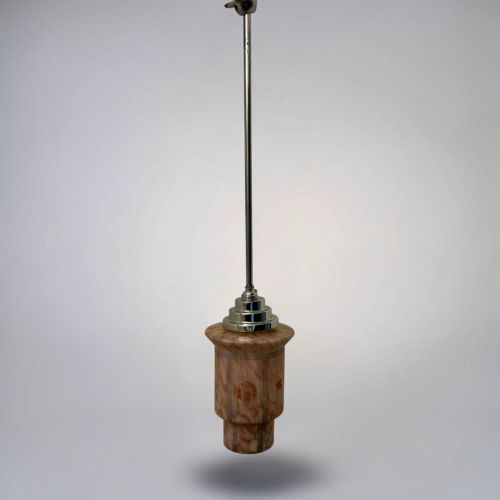
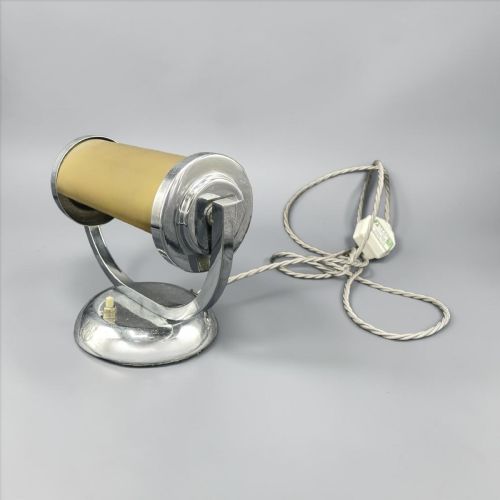
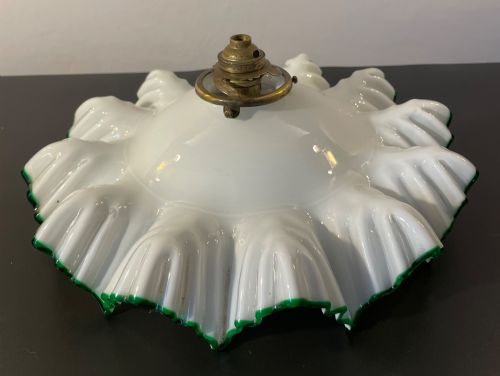
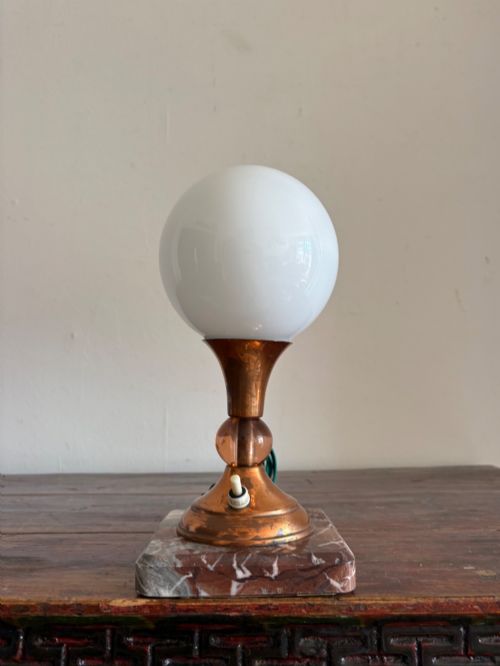
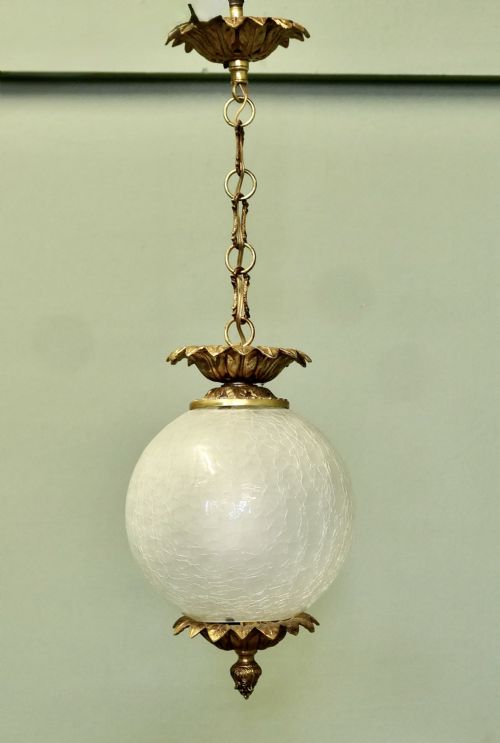
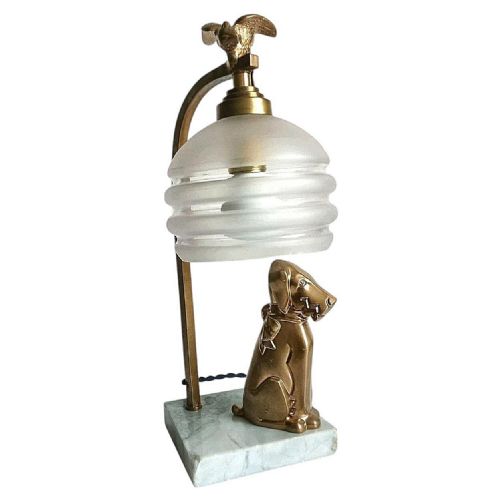
An art deco glass shade light encompasses ceiling pendants, wall sconces and table lamps originating chiefly from the 1920s and 1930s. These pieces combine geometric or moulded glass diffusers with metal mounts to direct light effectively within domestic spaces.
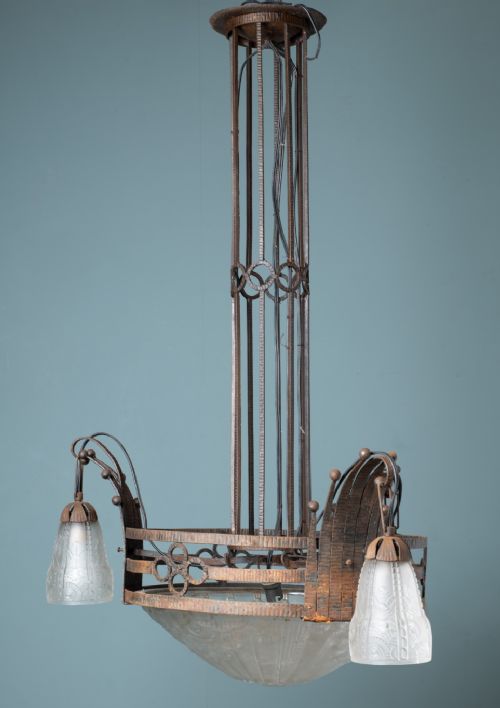
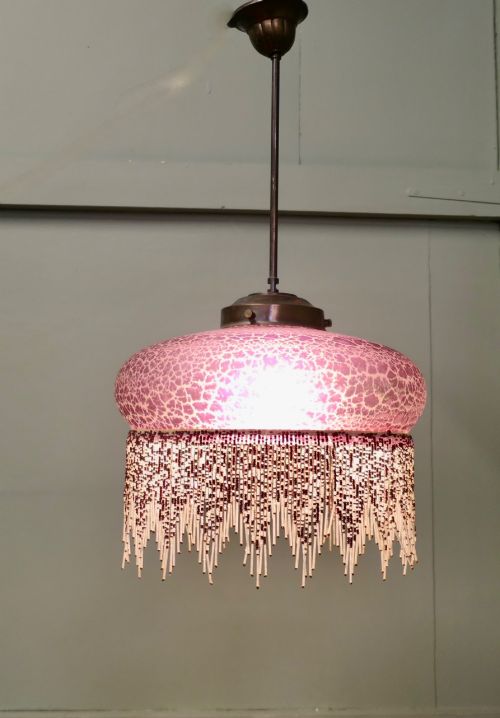
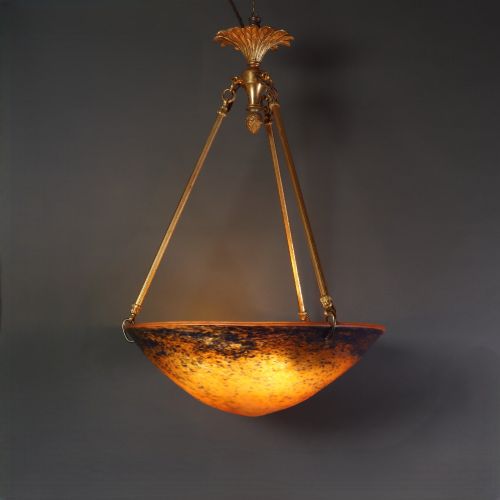
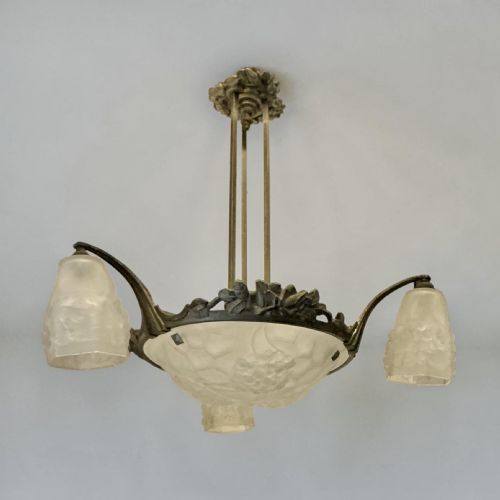
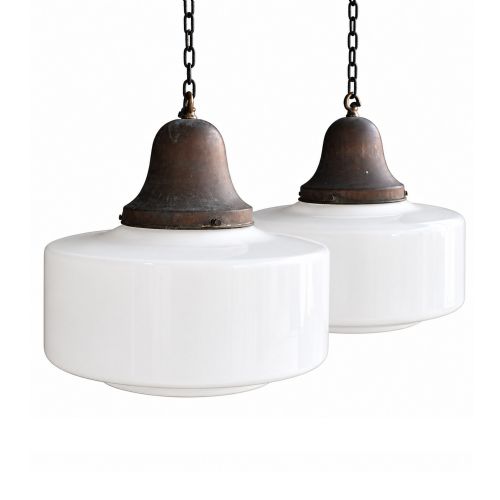
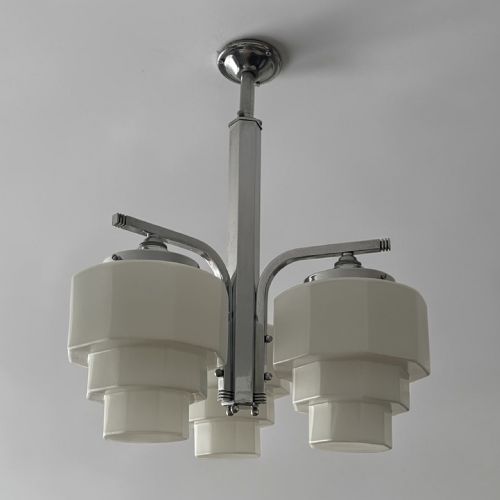
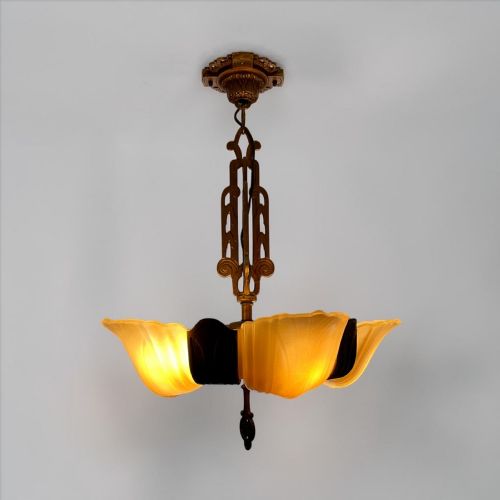
The most common examples on this page are hanging pendant lights and ceiling fixtures featuring frosted, opaline or slip shades. French workshops and domestic makers produced diverse variations incorporating brass, chrome and marble elements.
Materials and Techniques
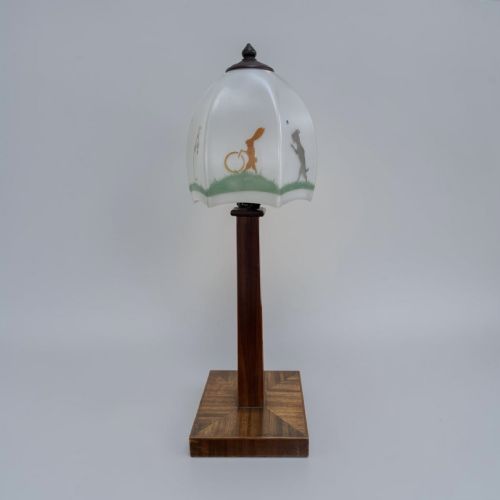
Makers utilised moulded, frosted and opaline glass to create shades that softened illumination while displaying characteristic geometric patterns or organic motifs. These glass components were produced through pressing or blowing techniques.
Metal mounts and bases in brass, chrome, copper and wrought iron secured the glass shades, often paired with marble or fabric elements to add structural weight and visual contrast.
Art Deco Glass Shade Light Retail Price Guide 2026
Typical asking prices for art deco glass shade light among the pieces listed under this phrase on Sellingantiques today, from the lower quarter to the upper quarter. They describe what is for sale here now, not the wider market.
Materials recorded across the inventory include brass, chrome, opaline glass, marble and wrought iron.
Assessing Quality
Quality depends upon the crispness of the glass moulding and the weight of the supporting metalwork. Heavier brass, bronze or chrome frames paired with thick, evenly cast glass indicate superior production standards.
The integration of signed or attributed glasswork from recognised makers elevates a fixture, distinguishing standard commercial output from exceptional decorative art pieces.
Émile-Jacques Ruhlmann·Stuart Crystal·Daum·Muller Bros·Degue·P Maynadier·Loys Lucha
The Art Deco Glass Shade Light Glossary
- Pendant light
- A hanging lighting fixture suspended from the ceiling by a cord, chain or metal rod. These direct illumination downwards into a room.
- Opaline glass
- A milky, semi-translucent glass that diffuses light softly without glare. It appears frequently in period shades.
- Slip shade
- A moulded glass panel that slides into a metal frame on a sconce or chandelier. They define specific American and European lighting designs.
- Plafonnier
- A ceiling-mounted light fixture where the glass shade sits flush or close to the ceiling surface. These suit rooms with lower ceiling heights.
- Sconce
- A wall-mounted lighting fixture designed to hold one or more bulbs. They project light outward and upward against interior walls.
Art Deco Glass Shade Light: Frequently Asked Questions
Are these lights compatible with modern bulbs?
Most vintage fittings accept standard screw or bayonet LED bulbs, provided the wattage matches safe thermal limits for older glass. Low-heat modern bulbs protect delicate vintage materials.
Rewired examples accommodate contemporary electrical standards while preserving original sockets where possible. Check the internal clearance of enclosed glass globes before selecting bulb sizes.
How do I clean vintage opaline glass?
Wash the glass gently in lukewarm water using mild dish soap and a soft cloth. Avoid harsh abrasives or chemical solvents that might damage hand-painted details.
Dry thoroughly with a lint-free towel before reassembling the metal mounts. Take care with antique brass or chrome finishes nearby to prevent moisture damage.
What rooms suit a pendant light?
Pendant lights work effectively over dining tables, in hallways or as central illumination in bedrooms. Their downward spread of light creates focused functional brightness.
Shorter drops suit compact spaces, while larger multi-light chandeliers illuminate expansive rooms. Ceiling height dictates the appropriate chain length for each specific location.