


Vintage Hallway Light Fixtures
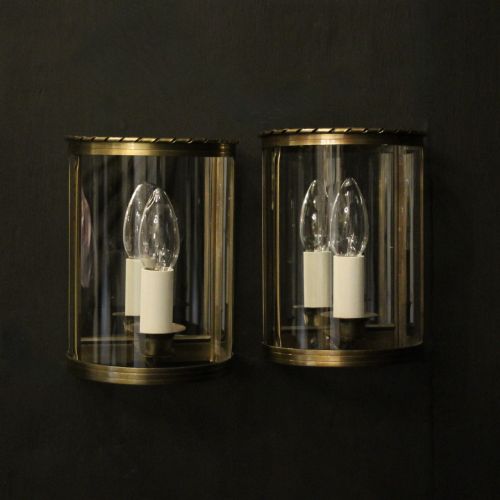
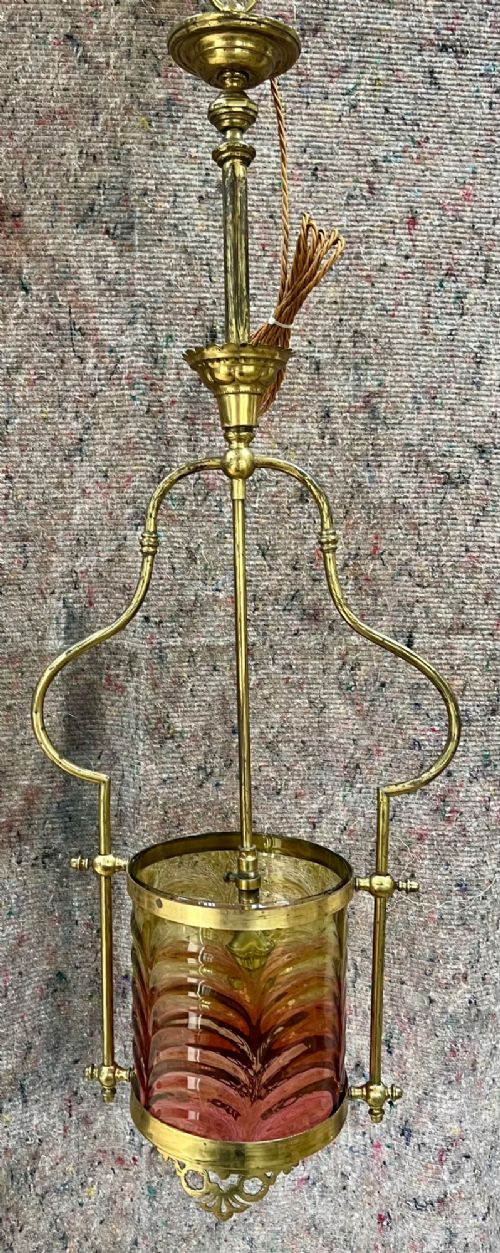
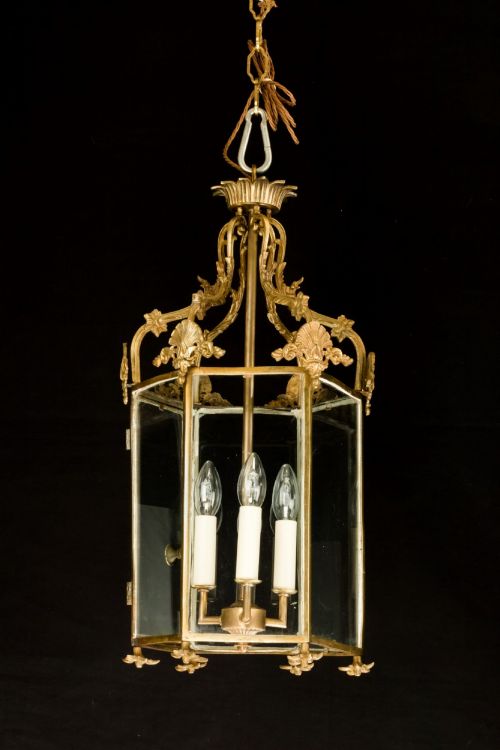
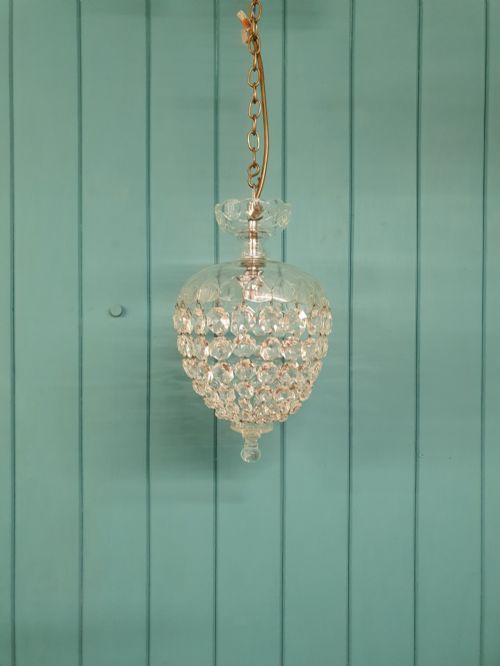
These vintage hallway light fixtures bring character to small entryways through period brass, copper, and cut glass.
Vintage Hallway Light Fixtures
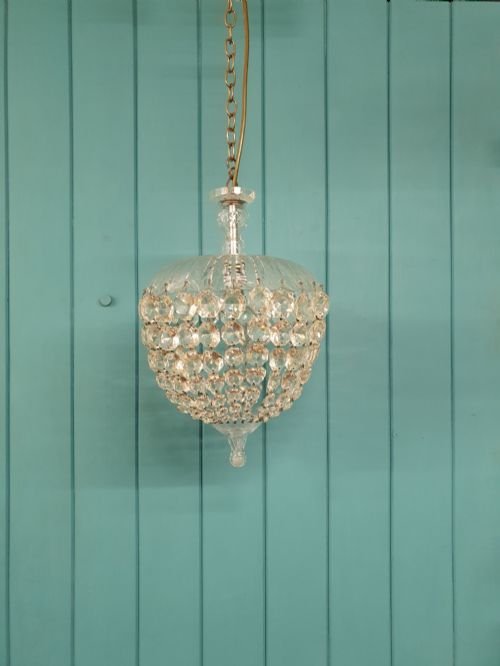
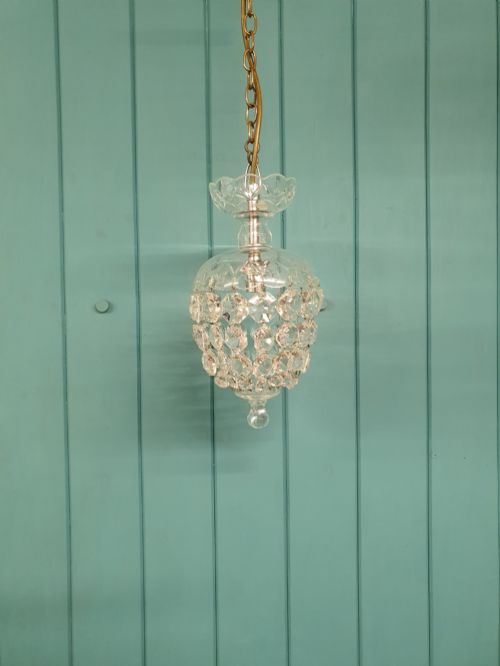
Vintage hallway light fixtures encompass pendants, lanterns, bag chandeliers, and wall sconces designed to illuminate compact passageways. Buyers exploring this category encounter pieces originating from the Victorian era through the 1930s, spanning styles from Arts & Crafts to Art Deco and French Chateau.
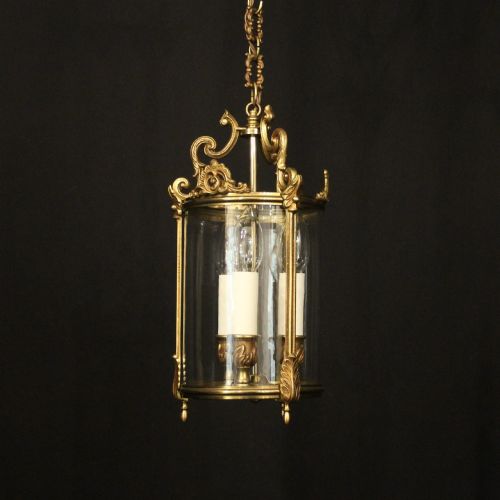
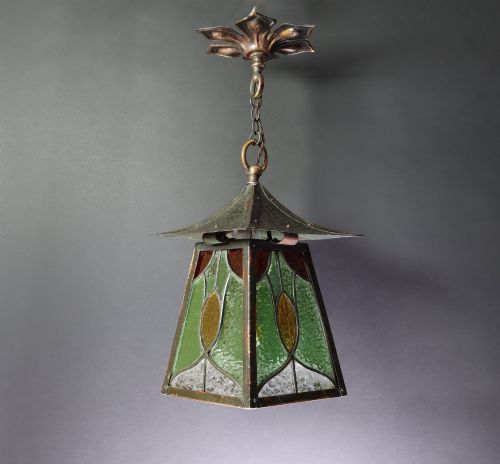
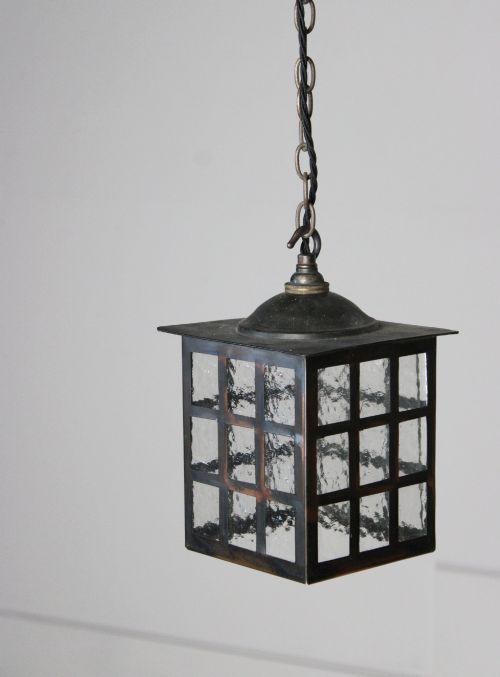
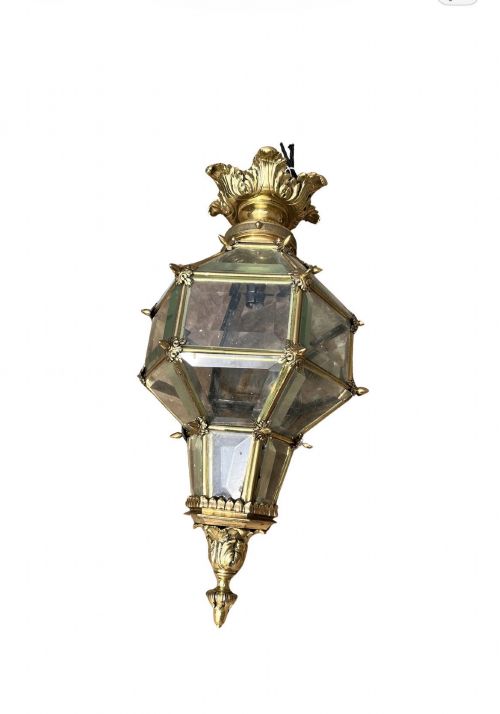
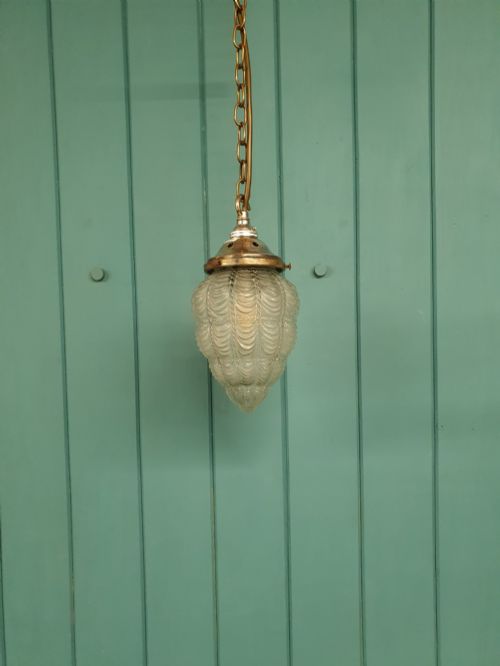
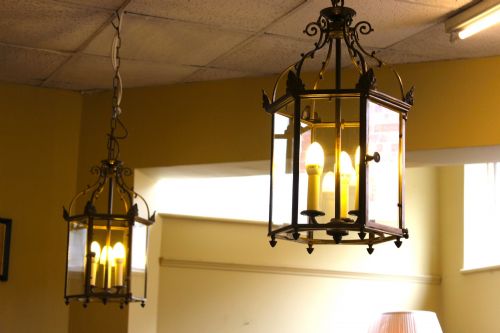
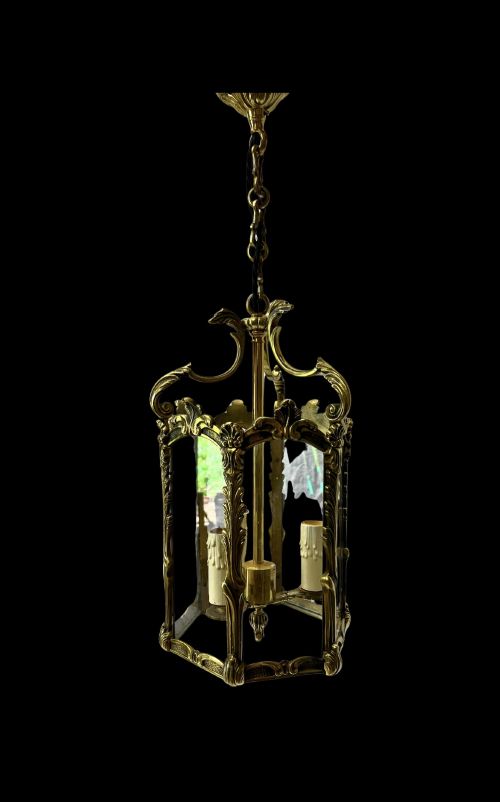
The version most commonly met on this page is the hanging lantern or small pendant light framed in brass or copper. These compact forms suit narrow ceiling heights while diffusing light through cut, frosted, or opaline glass.
Origins stretch across English workshops and French ateliers, yielding diverse decorative vocabularies from Neo-Classical revival to utilitarian carriage styles. Each piece reflects the functional requirements of domestic corridors from past centuries.
Materials and construction methods
Metals form the structural backbone of these fixtures, with brass, copper, bronze, and steel shaped into frames, mounts, and suspension chains. Metal components undergo casting, spinning, or hand-beating to achieve structural rigidity and decorative trim.
Glass elements provide the optical qualities, utilising hand-blown crystal, cut glass, opaline, and frosted panels. Artisans secure these glass inserts into metal frameworks using prongs, lead cames, or threaded collars.
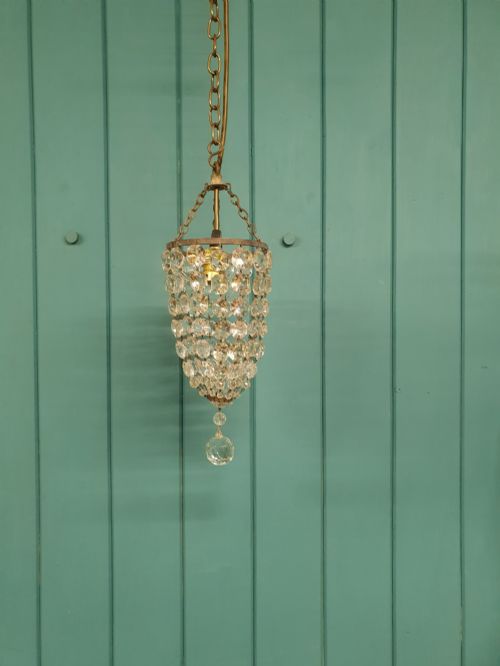
Decorative embellishments include applied gilt finishes, toleware painting, and intricate crystal beadwork wired onto brass frames. Construction details often incorporate pierced galleries and hinged access doors for maintenance.
Vintage Hallway Light Fixtures Retail Price Guide 2026
Typical asking prices for vintage hallway light fixtures among the pieces listed under this phrase on Sellingantiques today, from the lower quarter to the upper quarter. They describe what is for sale here now, not the wider market.
The inventory bridges the Victorian period into the 1930s, moving from candle-lit hall lanterns to electrified chrome and opaline pendants.
Distinctions in quality and execution
The standard of metalwork distinguishes superior examples from simpler production, evident in the crispness of cast brass motifs and the weight of structural bronze. Substantial gauge metals and robust mechanical joints ensure stability over decades of hanging.
Glass selection significantly elevates a piece, separating hand-blown crystal or deep diamond cutting from standard pressed panes. High-grade optical components refract light cleanly and display exceptional clarity.
Cohesion of style dictates overall design success, seen when French Regency or Arts & Crafts details integrate harmoniously with the primary frame. Masterful proportioning ensures that scale, drop length, and glazing balance perfectly within a narrow space.
F&C Osler
The Vintage Hallway Light Fixtures Glossary
- Plafonnier
- A ceiling light fixture mounted flush or very close to the ceiling surface. This form maximises headroom in restricted spaces.
- Bag Chandelier
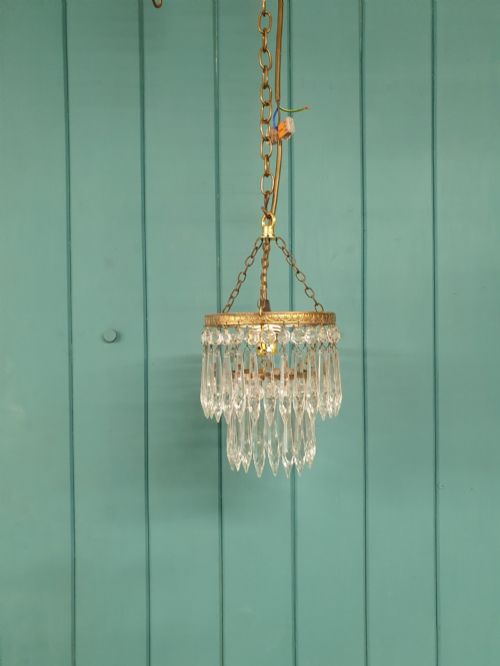
- A light fixture featuring a flattened upper crown and a tapered lower basket constructed from cascading glass beads or crystal drops. These profiles concentrate illumination downward.
- Opaline
- An opaque or semi-translucent glass type developed to soften bulb glare. It diffuses a warm, milky luminescence across hallways.
- Toleware
- Painted or enamelled sheet metal utilised for decorative lamp bodies. It frequently mimics natural patinas or introduces contrasting colour to a scheme.
- Bell Jar Lantern
- A hanging light enclosed by a curved glass jar resembling a bell. This enclosed design originally protected candle flames from draughts.
Vintage Hallway Light Fixtures: Frequently Asked Questions
What periods do these hallway fixtures span?
These fixtures span from the late nineteenth century through the 1930s, encompassing Victorian, Edwardian, and Art Deco eras. Designs reflect the shifting aesthetic preferences of these decades.
Craftsmanship transitions from heavy cast bronze and candle-conversion lanterns to streamlined chrome and steel Art Deco geometries.
How do I choose the right size?
Scale depends directly on your ceiling height and hallway width. Smaller bag chandeliers and dome-top pendants suit lower clearances.
Larger multi-light lanterns or tall carriage styles require substantial vertical drop to maintain proper visual balance.
Are these lights compatible with modern wiring?
Most antique fixtures accommodate contemporary electrical standards through rewiring. Many listings specify whether modern wiring updates have been completed.
Standard bulb holders are generally integrated to accept modern energy-efficient lamps while retaining historical external appearance.
How were these lanterns originally illuminated?
Early examples relied on candles enclosed within glass bell jars or lantern panels. Later nineteenth and twentieth-century pieces adopted gas and subsequently electric illumination.
Conversion evidence often remains visible within the internal burner assemblies or socket fittings of older pieces.