


Art Deco Glass Fruit Bowl
An art deco glass fruit bowl brings bold twentieth-century design straight to the table, combining striking geometric forms with tactile finishes.
Art Deco Glass Fruit Bowl
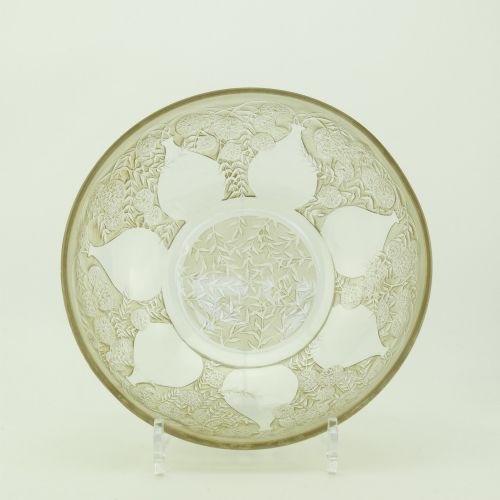
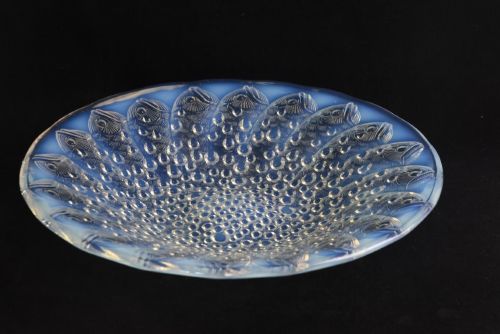
When you search for an art deco glass fruit bowl, you encounter decorative bowls, footed comports, and pedestal centerpieces that define the style. These objects emerge primarily from the nineteen-twenties and nineteen-thirties, reflecting the modernist shift away from floral Victorian excess toward clean, structural geometry. The most common examples on this page are opalescent and frosted glass vessels produced by major European glassworks.
Makers utilised distinct moulding techniques to create heavy, tactile centrepieces designed to catch the light on a dining table or sideboard. Forms range from shallow coupe vases and footed bowls decorated with floral motifs to pedestal pieces bearing factory signatures. Whether clear, coloured, or overlay, each piece serves as a functional centrepiece rooted in the interwar period.
How they were made
The making of these pieces relies heavily on mould-blown glass and pressed glass techniques, often finished with acid frosting or opalescent treatments. Molten material was forced into complex metal moulds to achieve high-relief patterns such as flower heads, leaves, and geometric ribs.
Manufacturers also employed overlay techniques, fusing layers of coloured glass over clear or crystal bases before cutting back the surface. This method created high contrast between the outer hue and the inner core, particularly seen in green and blue crystal productions.
Listings feature opalescent glass, frosted glass, and cut lead crystal predominantly from the nineteen-twenties and nineteen-thirties.
What varies in quality
Quality rests in the crispness of the moulded relief and the depth of the opalescent fire within the glass. Superior pieces display sharp definition in decorative elements like petals or geometric facets without distortion from worn moulds.
The weight of the lead crystal and the finesse of the signature or factory mark further distinguish standard production from premier studio output. Heavier, well-balanced vessels with intentional colour saturation sit at the higher end of the scale.
Rene Lalique·Elizabeth Graydon-Stannus·Joseph Simon·Jobling·Etling
The Art Deco Glass Fruit Bowl Glossary
- Opalescent Glass
- Glass that milky-white or bluish translucent quality that catches light and shifts tone across the moulded contours. It defines much of the finest interwar tablewares.
- Tazza
- A shallow bowl raised upon a high foot or pedestal base, designed for displaying fruit or sweetmeats. These pieces elevate the composition above the surface of the table.
- Comport
- A large standing bowl or dish used for serving fruit as a table centrepiece. They frequently feature heavy pressed or moulded glass construction.
- Coupe Ouverte
- An open bowl or low basin form with wide sides, often utilised in modernist glass design for maximum display of the inner relief decoration.
- Overlay Glass
- A technique where a vessel is formed with multiple fused layers of contrasting coloured glass over a clear core. Artisans then cut through the outer layer to reveal the colour beneath.
Art Deco Glass Fruit Bowl: Frequently Asked Questions
Can I use these bowls for serving fruit daily?
These bowls serve their original purpose well for holding display fruit or dry arrangements on a sideboard or dining table. Their sturdy moulded construction handles everyday placement without issue.
Take care with acidic fruits left for extended periods, as old glass surfaces can be sensitive to prolonged chemical contact. Hand washing immediately after use keeps the interior finish bright.
How do I identify a signed piece?
Look along the outside base edge, the underside, or within the interior relief for acid-etched, sandblasted, or moulded signatures. Signatures often correspond to the specific foundry or designer active during the period.
Faint marks require angled lighting and a magnifying glass to read properly without damaging the surrounding surface. Unsigned pieces still appear from reputable makers based on their specific mould patterns.
What is the difference between opalescent and frosted glass?
Opalescent glass contains chemical agents that cause the material to scatter light, producing a milky blue or amber glow across raised surfaces. It shifts appearance depending on the angle of the room illumination.
Frosted glass relies on acid-etching or sandblasting to create a uniformly matt texture across the piece. While both finish types soften the transparency, opalescent glass retains an internal fire.