





Art Deco French Bronze
Art deco french bronze captures the kinetic energy and sleek geometry of the interwar years through striking metalwork and figurative sculpture.
Art Deco French Bronze
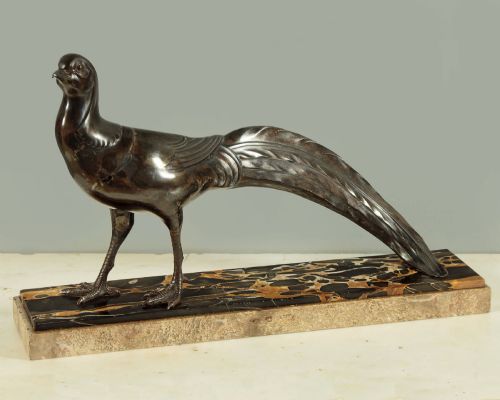
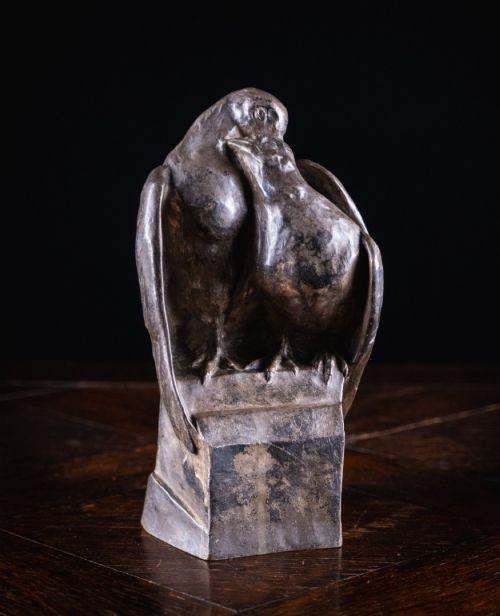
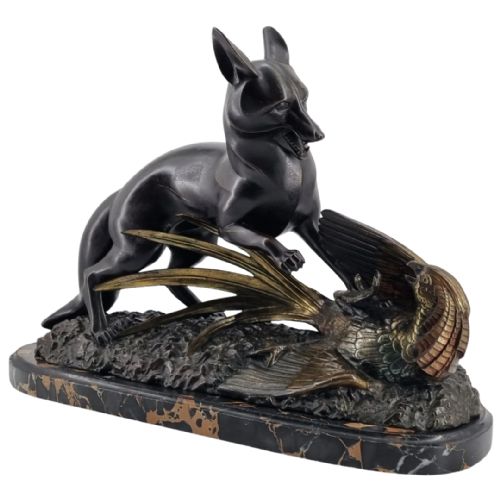
Art deco french bronze encompasses a dynamic mix of figurative sculptures, table lamps, and architectural pieces originating from the 1920s, 1930s, and 1940s. These works frequently depict dancers, athletes, and predatory animals rendered with characteristic modernist stylisation.
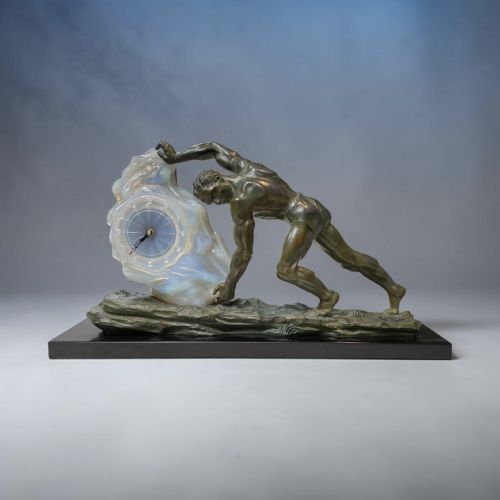
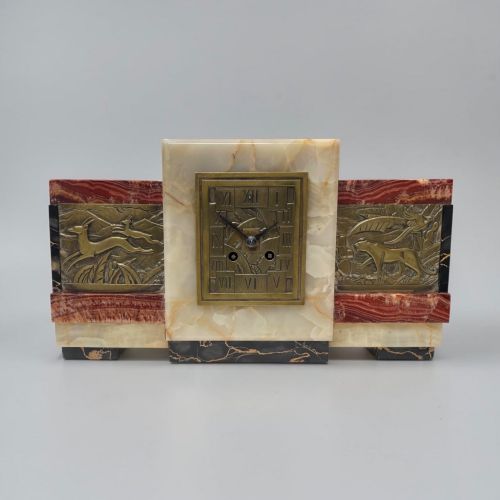
Collectors frequently encounter tabletop bronzes and spelter figures mounted on heavy bases of contrasting stone. The selection spans domestic utility items such as mantel clocks and bookends alongside large-scale decorative figures and novelty lighting.
How they were made
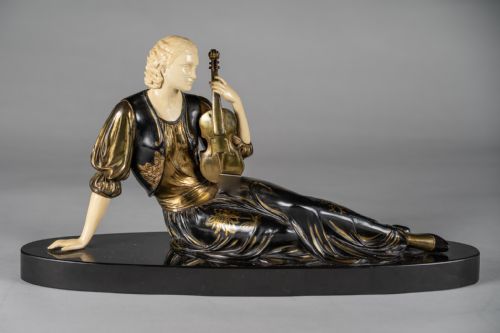
Foundries utilised traditional casting methods to shape molten metal into complex figurative forms, often applying cold-painted finishes, silvering, or gilding to enhance the surface detail. Artisans combined these metals with organic and mineral elements, anchoring sculptures to heavy plinths of marble, onyx, and alabaster.
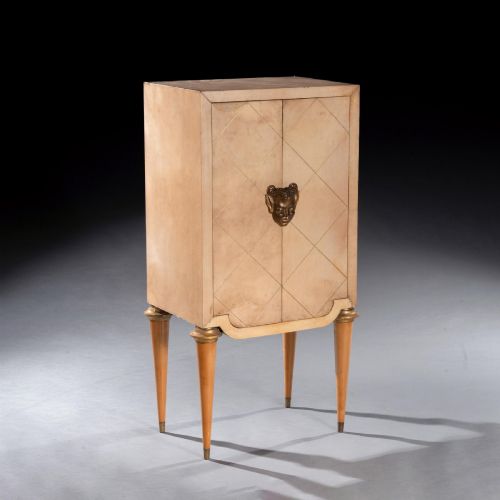
Makers integrated mixed media within single compositions, pairing patinated metal with carved ivorine, glass shades, and inlaid parchment. Architectural ironwork and structural bronze components relied on precise forging and joining techniques typical of the period's leading metalworkers.
Art Deco French Bronze Retail Price Guide 2026
Typical asking prices for art deco french bronze among the pieces listed under this phrase on Sellingantiques today, from the lower quarter to the upper quarter. They describe what is for sale here now, not the wider market.
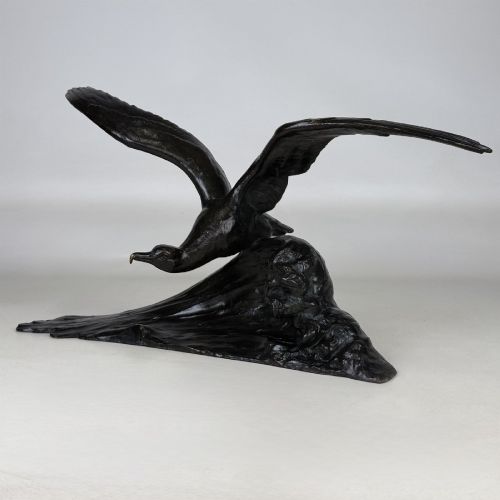
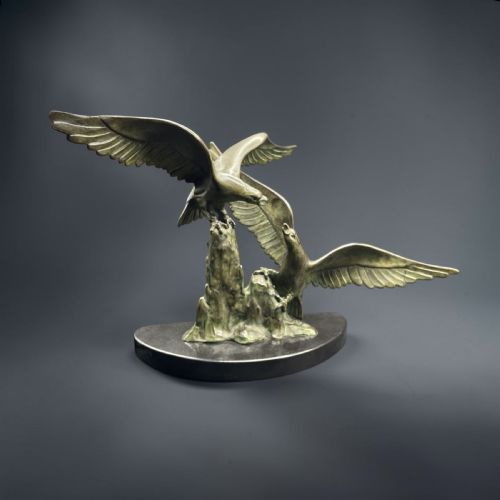
Several pieces depict surprisingly swift animals, capturing leaping panthers, charging greyhounds, and attacking gulls mid-motion.
What varies in quality
The degree of crispness in the metal chasing and the subtlety of the patination separate standard commercial output from the work of renowned sculptors. Superior pieces display meticulous attention to anatomical definition, facial expression, and the clean execution of costume details.
The choice and integration of base materials also dictate overall quality, where dense, finely polished marbles and genuine onyx elevate the presentation of the central bronze figure. The weight, stability, and integrity of the combined metal and stone components indicate the original standard of manufacture.
Maurice Delannoy·Maurice Jallot·Charles Schneider·D. H. Chiparus·Jean de Roncourt·Degué·Raymond Subes·Alexandre Ouline·Georges-Charles Coudray
The Art Deco French Bronze Glossary
- Spelter
- A zinc-based alloy frequently used as a cost-effective alternative to bronze during the interwar period. It accepts patination well to simulate heavier metal.
- Plafonnier
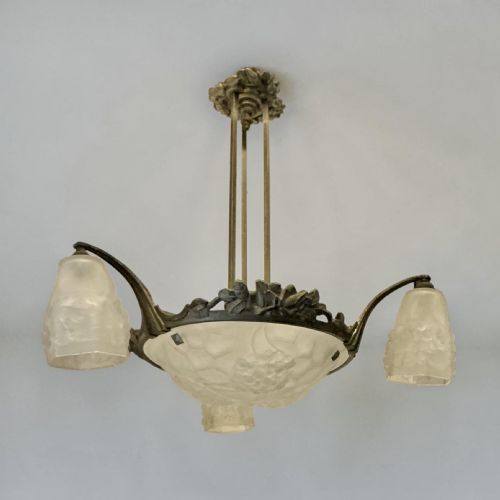
- A ceiling-mounted bowl light fixture, often made of moulded glass held by bronze or iron mounts. These fixtures diffuse light close to the ceiling line.
- Patinated metal
- Metal treated with chemical solutions to produce a specific surface colour or aged finish. This technique highlights sculptural contours and protects the underlying material.
- Ivorine
- A synthetic material utilised for carved face and hands on mixed-media figures. It mimics the appearance of natural ivory without using organic animal product.
Art Deco French Bronze: Frequently Asked Questions
How do I clean an art deco bronze?
Dust the surface gently with a soft, dry brush to remove particles without disturbing the patina. Avoid using chemical cleaners, polishes, or water on patinated or cold-painted metal.
For stone bases, wipe carefully with a damp cloth and dry immediately to prevent moisture rings. Regular maintenance requires only gentle dusting to preserve the original finish.
Were these sculptures mass produced?
Foundries produced these pieces in varying quantities, ranging from limited casts by named artists to commercial editions intended for broader domestic markets. Department stores and specialist salons retailed both signed sculptures and unsigned decorative objects.
The use of alternative alloys like spelter allowed for wider production of popular figures for middle-class homes.
How can I tell bronze from spelter?
Bronze feels notably heavier and maintains a resonant tone when lightly tapped, whereas spelter is lighter and softer. Spelter also shows a dull grey or powdery texture beneath chips in the surface finish.
Magnetic tests are inconclusive because both metals are non-ferrous, requiring visual inspection of the weight and cold-painted layer.
Where should I place these pieces at home?
Position heavier sculptures and clock sets on sturdy mantelpieces, sideboards, or dedicated display tables that can support their combined metal and stone weight. Keep them away from direct sunlight and heat sources to protect patinated surfaces and marble bases.
Table lamps and bookends function effectively on desks and side tables where their functional design remains visible.