


Art Deco Frame
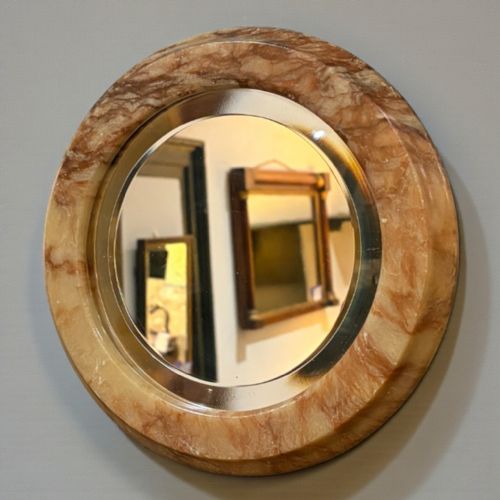
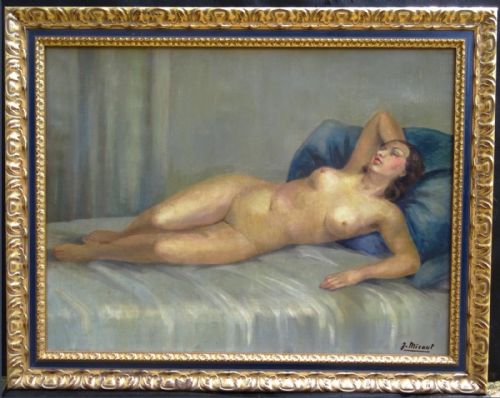
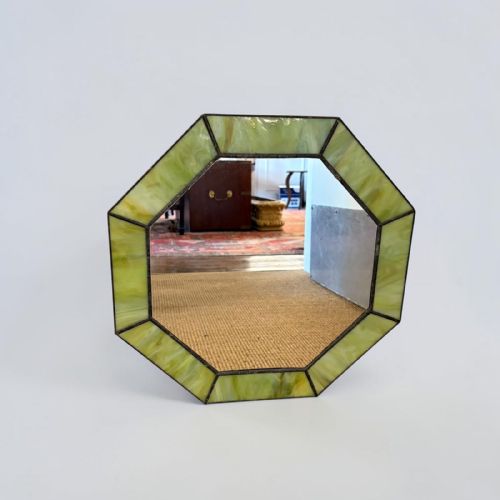
An art deco frame brings geometric precision and distinct period character to displayed photographs, works on paper and mirrors.
Art Deco Frame
When searching for an art deco frame, buyers encounter items produced during the early twentieth century alongside later interpretations. These pieces house everything from intimate photographic portraits to larger wall mirrors.
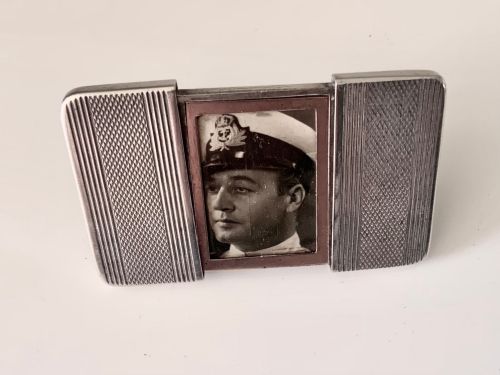
The selections span from silver photograph holders to wooden mirror surrounds, reflecting the diverse material culture of the period. Silver, wood and glass dominate the forms found in this category.
Many items date from the nineteen-twenties and nineteen-thirties, aligning with the height of the movement. Smaller tabletop silver picture frames sit alongside substantial architectural mirrors.
Materials and construction
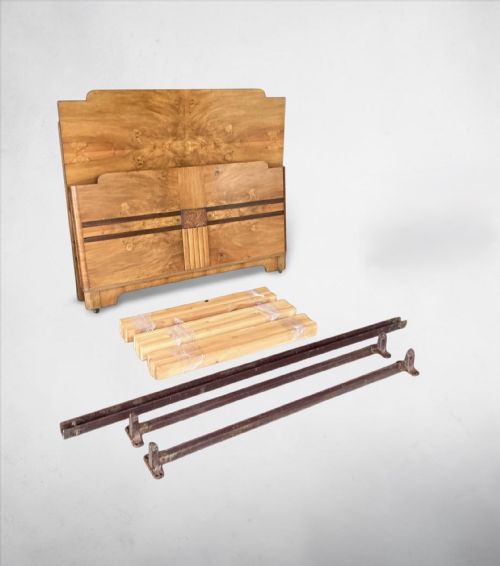
Craftsmen utilised metals like silver and brass alongside timber veneers such as walnut to achieve the characteristic finish. Metal items often featured engine-turned patterns that caught the light across flat planes.
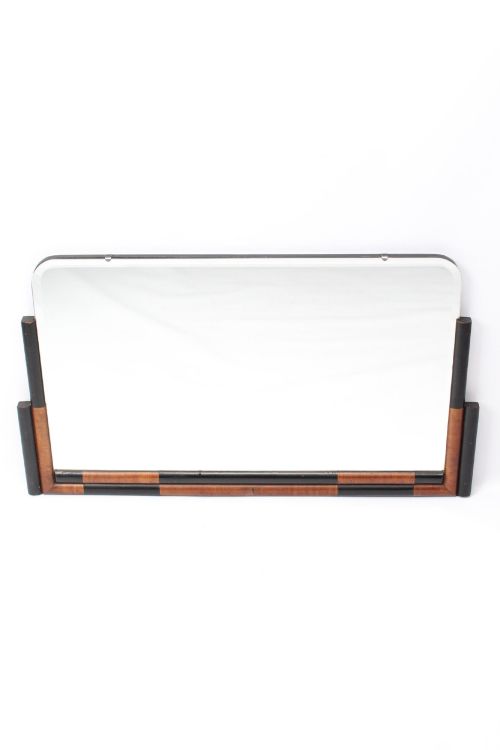
Glass panels were cut and bevelled to frame central apertures, while wooden structures relied on figured grains to create visual rhythm without excess ornamentation.
Makers combined traditional cabinet-making methods with industrial metalworking techniques to produce crisp angles and smooth curves.
Art Deco Frame Retail Price Guide 2026
Typical asking prices for art deco frame among the pieces listed under this phrase on Sellingantiques today, from the lower quarter to the upper quarter. They describe what is for sale here now, not the wider market.
Some frames travelled alongside ocean liners, carrying faded portraits of passengers who danced the Charleston into the early hours.
Assessing craftsmanship
The standard of an art deco frame rests on the precision of its joints, the depth of its metal engraving, and the selection of timber veneers. Master craftsmen ensured that geometric alignments remained exact and uncompromised.
Subtle details such as engine-turned surface patterns or high-grade silver hallmarks elevate standard items into works of notable distinction. The choice of figured walnut or solid silver dictates the overall weight and presence of the piece.
Waring and Gillow England·Harry and Lou Epstein·Heals·Macy and Co
The Art Deco Frame Glossary
- Engine-turned
- A decorative mechanical process that etches precise geometric patterns into metal surfaces. This technique appears frequently on silver accessories and picture frames from the period.
- Veneer
- A thin layer of superior wood applied to a base material to provide a figured surface. Walnut is commonly utilised in this manner for period frames.
- Hallmark
- An official stamp applied to precious metals indicating purity and origin. English silver examples often carry these stamps to verify their composition and date.
- Bevel
- An edge that is slanted at an angle other than ninety degrees. Glass mirrors within this category frequently employ this technique to add depth.
Art Deco Frame: Frequently Asked Questions
What materials make up an art deco frame?
These items utilise a range of materials including silver, brass, glass and various timbers such as walnut. Metal and wood often appear together to create contrast.
Craftsmen also applied paper and fabric elements within related decorative contexts during the period.
How do I date an art deco frame?
Dating relies on hallmarks for silver items, maker stamps, and the specific characteristics of the timber or metalwork. Pieces from the nineteen-twenties and nineteen-thirties display distinct geometric styling.
Examining the backing materials and construction methods helps establish the manufacturing era.
Where should I place an art deco frame?
These items suit mantelpieces, desks and walls where their geometric lines can complement interior spaces. Smaller silver versions sit well on wooden side tables.
Larger mirrored or wooden variants function as focal points in hallways and living rooms.
Are these frames made of solid silver?
Many metal examples consist of solid silver, particularly those bearing official hallmarks from the period. Other items utilise brass or plated metals.
Checking the hallmarks provides definitive proof of the metal composition.