



Art Deco Fine Jewellery
Art deco fine jewellery brings together geometric platinum settings, brilliant old-cut diamonds and vibrant coloured gemstones from the interwar years.
Art Deco Fine Jewellery
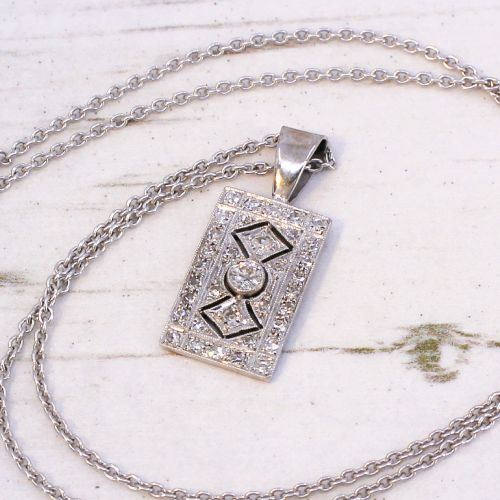
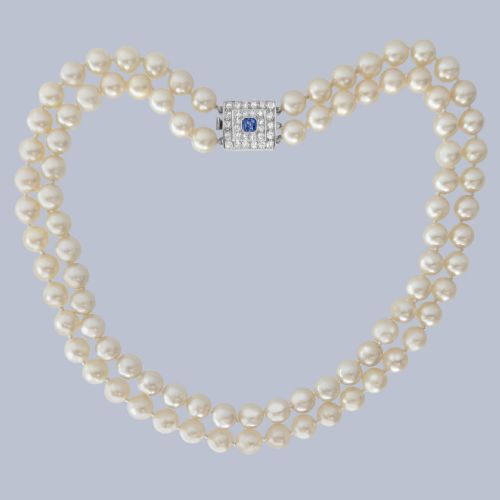
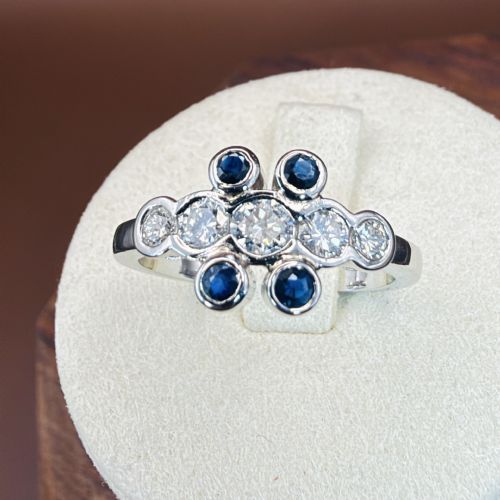
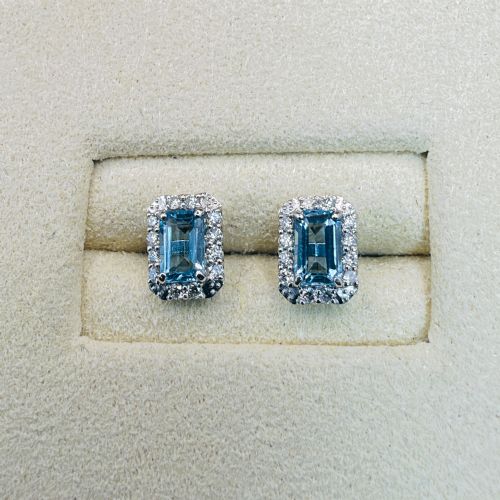
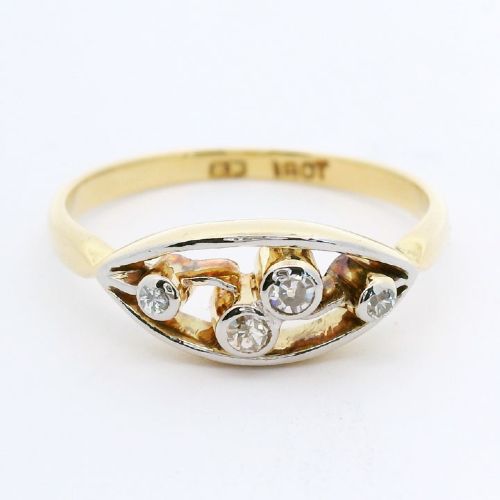
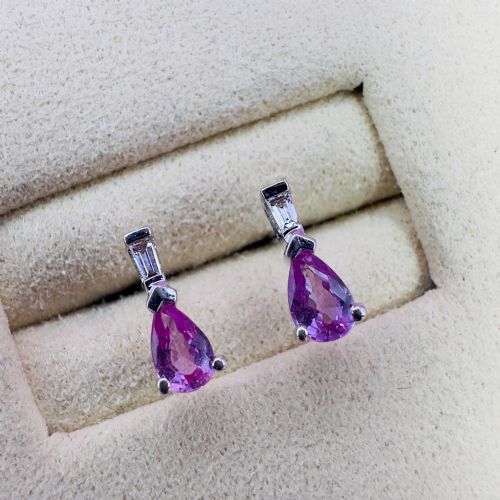
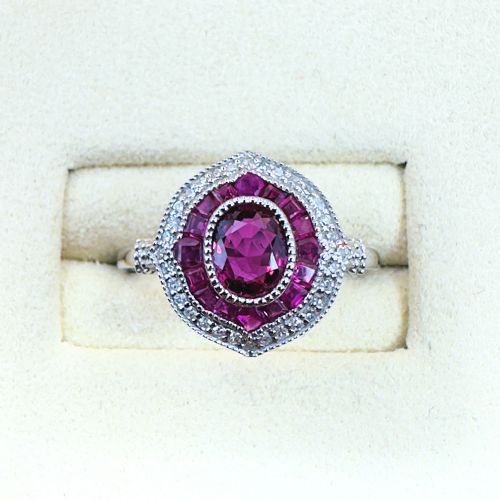
Art deco fine jewellery spans rings, earrings, necklaces, pendants, bracelets and brooches created predominantly during the 1920s and 1930s. Pieces frequently pair platinum or white gold with diamonds alongside striking centre stones like aquamarine, sapphire, ruby, emerald and pearl.
The aesthetic relies on strict geometry, symmetrical arrangements and clean architectural lines that departed entirely from previous Victorian and Edwardian softness. Surviving examples range from delicate diamond cluster rings to substantial gemstone-laden bracelets and floral spray brooches.
In addition to genuine interwar pieces, the selection includes related designs from the Edwardian precursor years and later revivals. Platinum settings dominate the authentic items, paired with distinctive cuts such as old mine, emerald, trapezoid and cushion stones.
Materials and construction methods
The period relied heavily on platinum for its strength, allowing jewellers to fashion exceptionally fine claw settings, delicate millegrain borders and intricate pierced galleries without risking structural failure. White gold and yellow gold also appear, particularly in tandem with platinum top mounts or within specific bracelets and chains.
Gemstone selection prioritised contrast and saturation, combining bright white diamonds with calibre-cut sapphires, emeralds, rubies, amethysts, pink tourmalines and opals. Pearls were utilised extensively either as single drops, clustered elements or woven into multi-strand necklaces with diamond-set clasps.
Art Deco Fine Jewellery Retail Price Guide 2026
Typical asking prices for art deco fine jewellery among the pieces listed under this phrase on Sellingantiques today, from the lower quarter to the upper quarter. They describe what is for sale here now, not the wider market.
Even a sturdy box from the 1930s can double as a tiny monument to geometric luxury.
Distinctions in construction and stone selection
Quality rests significantly on the precision of the metalwork and the integrity of the stone setting. Superior items exhibit crisp hand-piercing, even millegrain work and secure flush or claw settings that hold complex geometric arrangements rigidly in place.
The calibre of the gemstones dictates the upper tiers of the range, marked by well-matched diamond clarity, lively old-cut facets and vibrant, untreated coloured stones. Lesser examples may feature uneven stone matching or heavy subsequent repairs that compromise the original silhouette.
Van Cleef Arpels
The Art Deco Fine Jewellery Glossary
- Old Cut
- A precursor to the modern brilliant cut featuring a smaller table, higher crown and open culet designed to catch candlelight.
- Millegrain
- A decorative technique involving a row of tiny raised metal beads along the edge of a setting, common in platinum work.
- Calibre Cut
- Gemstones specifically shaped and cut to fit tightly into a geometric channel or pattern within the mounting.
- Platinum
- A dense, durable white metal favoured during the period for its ability to support ultra-fine settings and intricate wirework.
- Cluster
- An arrangement of smaller gemstones clustered tightly around a larger central stone to maximise overall brilliance and visual presence.
Art Deco Fine Jewellery: Frequently Asked Questions
What defines art deco fine jewellery?
These pieces are characterised by sharp geometric lines, symmetrical layouts and the extensive use of platinum alongside diamonds and saturated coloured gemstones.
The aesthetic emerged in the 1920s as a stark rejection of organic Edwardian curves, focusing instead on architectural shapes and streamlined forms.
How do I wear delicate antique bracelets?
Antique bracelets like engraved tank styles or diamond-set links pair well with evening wear or as a standalone statement piece during formal occasions.
Because many feature intricate hinges or clasp mechanisms, regular professional checks ensure the safety of the mountings.
How can I tell platinum from white gold?
Platinum feels noticeably heavier in the hand than white gold and possesses a cooler, naturally white lustre that does not require rhodium plating.
Many pieces from this era bear explicit stamps or have been tested to confirm the presence of platinum settings over gold components.
Were pearls cultured or natural?
The period encompasses both natural saltwater pearls and certified pearls, often strung into multi-strand necklaces or suspended from diamond pendants.
Careful stringing and gentle cleaning help preserve the organic lustre of these delicate components over decades of wear.