

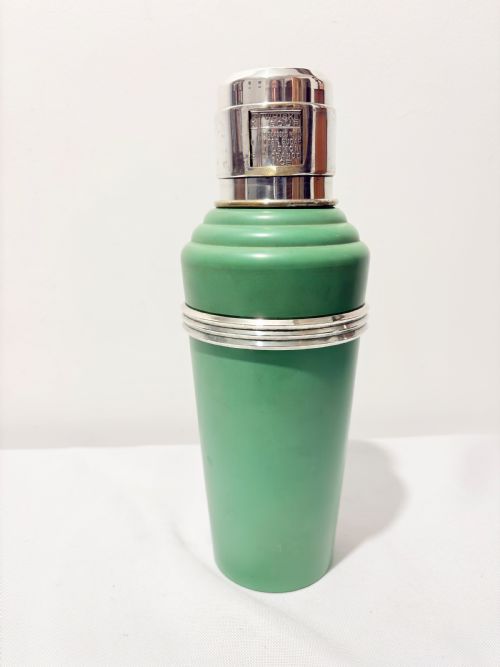


Art Deco Drink Shaker
An art deco drink shaker brings geometric vigour and polished metal to the home bar.
Art Deco Drink Shaker
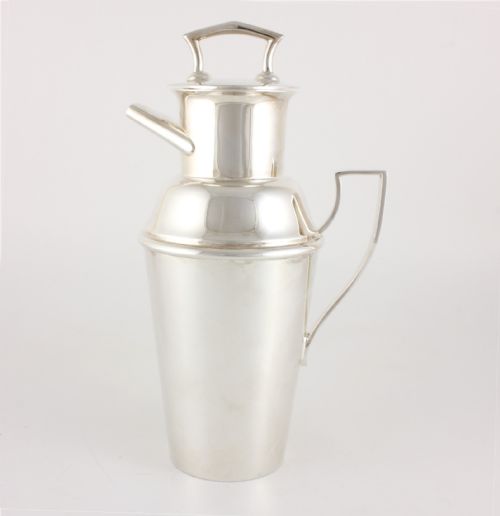
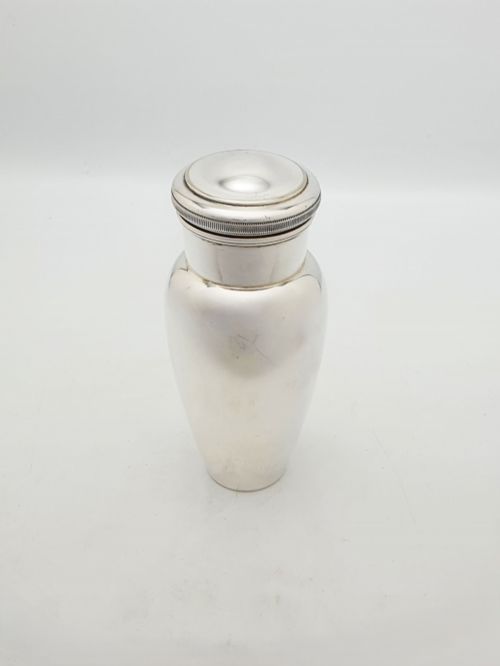
An art deco drink shaker is a barware vessel designed for mixing cocktails during the interwar decades. Buyers searching this phrase encounter cylindrical, bullet, and milk churn forms engineered in silver plate and glass.
The most common examples on this page date from the nineteen-thirties and incorporate practical additions such as integral lemon squeezers, ice breakers, or rotating recipe bands. English and French makers dominate the selection alongside pieces originating from Italy, Germany, and Switzerland.
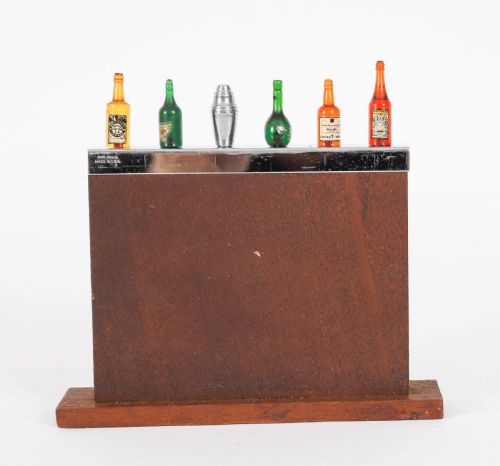
Beyond standard vessels, the inventory includes novelty shapes such as miniature cocktail stick sets and cockerel motifs. These items reflect the social habits of the period, when home entertaining became a focus for modern design.
Materials and Construction
Silver plate and electroplated nickel silver form the primary metal body of these vessels, providing a reflective surface suited to modernist aesthetics. Makers also utilised sterling silver for mounts and tops, combining solid precious metal with plated alloys.
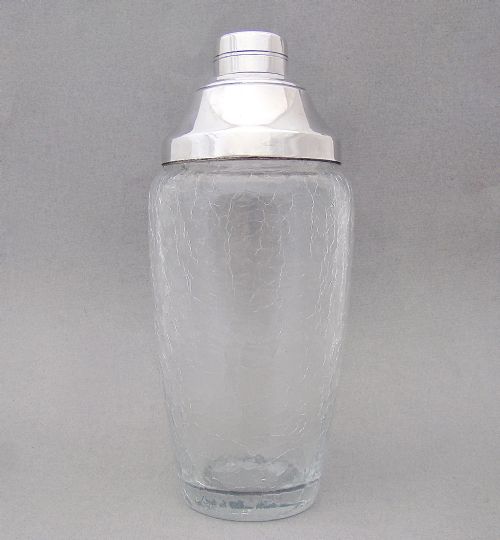
Glass bodies appear frequently, paired with metal collars and pouring spouts, or decorated with crackle textures and enamel work. Components such as green Bakelite, cork, and wood provide contrasting details for handles and stoppers.
Surface decoration relies on mechanical precision, utilising engine-turned geometric patterns and engraved lettering for recipe bands. These techniques achieve the clean lines characteristic of the style.
Art Deco Drink Shaker Retail Price Guide 2026
Typical asking prices for art deco drink shaker among the pieces listed under this phrase on Sellingantiques today, from the lower quarter to the upper quarter. They describe what is for sale here now, not the wider market.
Listings span periods from the nineteen-twenties through the nineteen-sixties, capturing the evolution of modernist barware design.
Evaluating Quality
Quality rests in the weight of the metal and the precision of the mechanical elements. Shakers with thick silver plating and substantial heft indicate superior manufacturing standards from established silversmiths.
Integration of functional mechanisms marks the distinction between standard vessels and exceptional items. Rotating recipe cylinders move smoothly, and built-in lemon squeezers fit flush into the collar without loose joints.
The integrity of glass bodies and the tightness of cork or metal seals dictate practical success. Surviving enamel or crackle effects remain crisp on well-preserved examples.
Asprey and Co·Hukin and Heath·James Dixon and Sons·C S Green and Co·William Suckling·Adie Brothers·Gaskell and Chambers·Carl Deffner·Angelletti Rome
The Art Deco Drink Shaker Glossary
- Electroplated Nickel Silver
- A base metal alloy coated with a layer of silver through an electrolytic process. This material provided a durable and lustrous finish for interwar barware.
- Engine-Turned
- A decorative technique involving precise geometric patterns cut into metal surfaces by a lathe. It creates a textured reflection that enhances the modernist appearance.
- Milk Churn
- A cylindrical vessel shape tapering slightly toward the top, adopted by designers for cocktail shakers during the nineteen-thirties. This form mimics industrial dairy containers.
- Bakelite
- An early synthetic phenol formaldehyde resin used for heat-resistant handles and knobs. Its vibrant colours offer a striking contrast to polished silver surfaces.
- EPNS
- An abbreviation for electroplated nickel silver, commonly stamped onto the base of domestic metalware. It signifies the underlying composition of the plated vessel.
Art Deco Drink Shaker: Frequently Asked Questions
How do I use a vintage cocktail shaker?
Fill the vessel with spirits, mixers, and ice, then secure the lid firmly before vigorous mixing. Ensure the pouring cap is sealed tightly to prevent leaks during the shake.
After mixing, remove the smaller cap to pour the contents through the built-in strainer. Hand wash the interior promptly after use to protect silver plate and cork seals from prolonged exposure to citrus.
How do I date an art deco drink shaker?
Examine the maker marks stamped on the base, which often correspond to specific manufacturing periods between the nineteen-twenties and nineteen-forties. Stylistic indicators such as engine-turning and Bakelite accents also point toward these interwar dates.
Patent numbers or registration marks can provide a more precise year of introduction. Recipe bands featuring classic cocktail combinations typically align with the height of cocktail culture in the thirties.
How do I care for silver plated barware?
Clean silver plated surfaces using a soft cloth and mild, non-abrasive polish formulated for plated items. Avoid harsh chemical dips that can strip the thin silver layer over time.
Dry the vessel thoroughly after washing to prevent water spots and tarnishing. Store the shaker in a dry environment away from direct sunlight to maintain the polished finish.