

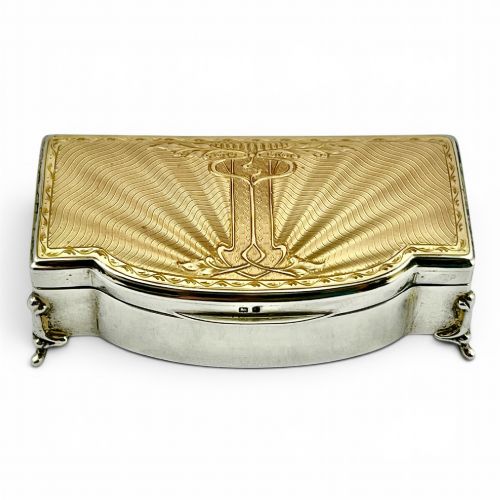


Art Deco Dressing Table Box
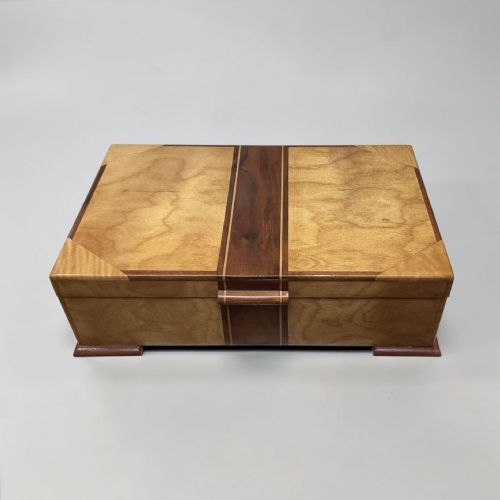
An art deco dressing table box sits on the surface to hold daily ornaments, bringing geometric order and colour to the morning routine.
Art Deco Dressing Table Box
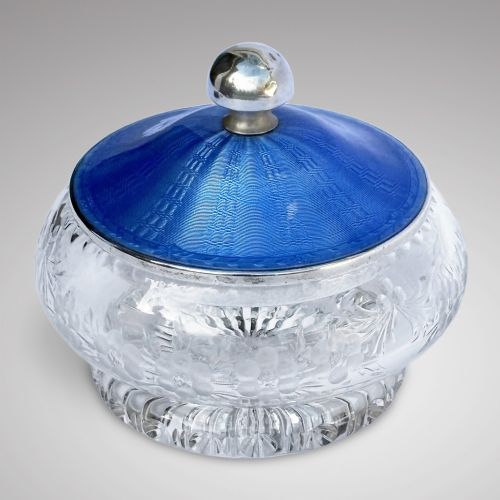
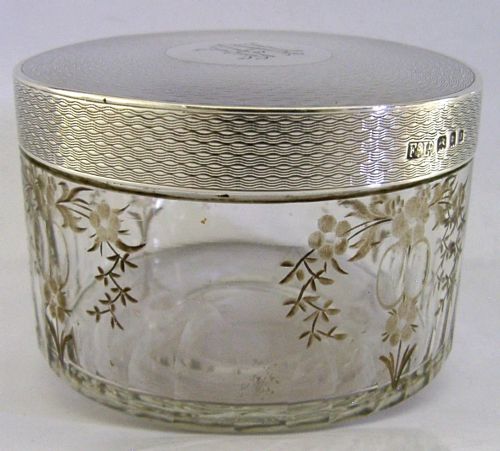
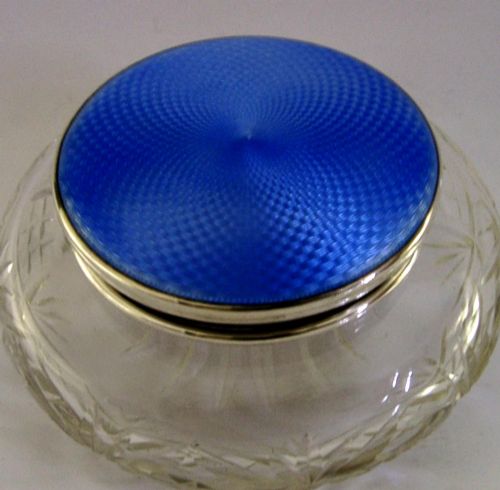
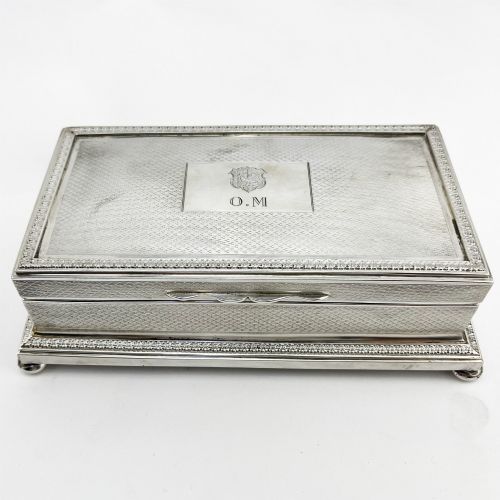
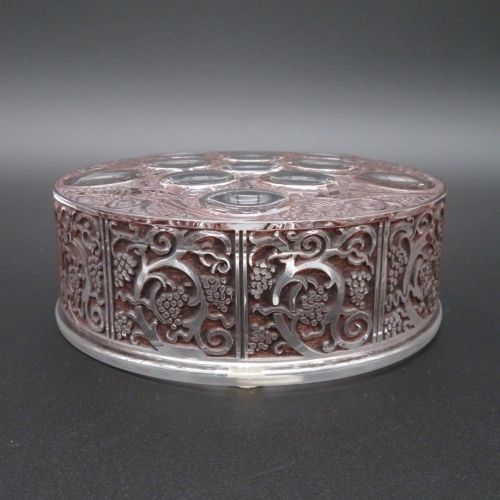
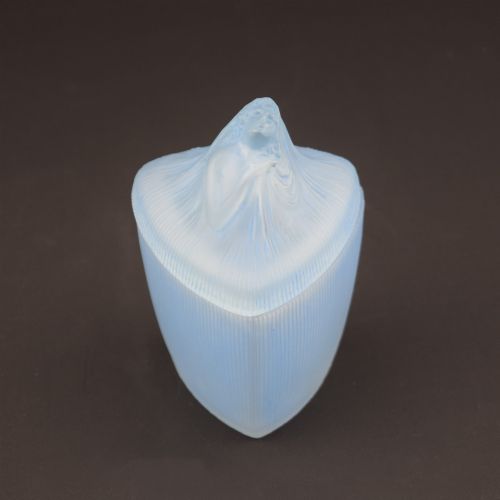
The most common variants on this page combine cut glass or crystal bodies with solid sterling silver lids, frequently enhanced by coloured enamel or guilloché work. Alongside these silversmith pieces, ceramic powder boxes featuring flapper girls, bathing belles, and half dolls emerge from French, German, and Austrian makers. Glass versions also feature prominently, ranging from moulded crystal bowls to opalescent and frosted creations by noted makers.
The design vocabulary shifts between the austere geometry characteristic of the period and whimsical novelty forms such as pierrots and bathing figures. Silver items often bear hallmarks from assay offices in London or Birmingham, dating their manufacture precisely to the interwar years. Whether formed from ebonised wood, porcelain, or silver-mounted glass, each item fulfils a distinct role upon the dressing table.
Distinctions in craftsmanship
The standard of an art deco dressing table box rests upon the crispness of its execution and the integrity of its materials. In silver-mounted glass, a heavier gauge of sterling silver and a deep, evenly cut glass body separate superior items from lighter, pressed alternatives. Guilloché enamel displays quality through its unblemished surface and intricate underlying engine turning, free from chips or restoration.
Art Deco Dressing Table Box Retail Price Guide 2026
Typical asking prices for art deco dressing table box among the pieces listed under this phrase on Sellingantiques today, from the lower quarter to the upper quarter. They describe what is for sale here now, not the wider market.
Listings feature items from the 1910s, 1920s, and 1930s, encompassing Edwardian, George V, Art Nouveau, and Art Deco styles.
Mappin & Webb·Rene Lalique
The Art Deco Dressing Table Box Glossary
- Guilloché
- A decorative technique where a precise geometric pattern is mechanically engraved into a metal substrate. Translucent enamel is then applied over the engraving, allowing the pattern to show through.
- Engine turned
- A method of mechanical ornamentation used on metal surfaces to create intricate, repeating linear designs. It provides both texture and visual depth to silver lids.
- Half doll
- A ceramic torso lacking legs, popular in the interwar period as the upper portion of a powder brush handle or the lid of a powder box. These figures typically depict stylized women of the era.
- Opalescent glass
- Glass that diffuses light with a milky or pearlescent appearance, often shifting in tone depending on the angle of illumination. It was favoured by glass artists for decorative vanity items.
- Hallmark
- A series of official marks stamped onto precious metals indicating the purity, the assay office, and the year of manufacture. British silver items regularly display these stamps for dating.
Art Deco Dressing Table Box: Frequently Asked Questions
What fits inside an art deco dressing table box?
These containers were originally built to house face powder, loose cosmetics, hairpins, and small items of daily jewellery. Today they accommodate modern trinkets, rings, and desktop accessories while retaining their decorative purpose.
Their varied depths and compartments allow for the safe storage of delicate items without risking tangles or surface scratches.
How do I date a silver and glass vanity jar?
Dating relies primarily upon the hallmarks stamped into the silver mounts, which indicate the specific assay office and year letter. Stylistic markers such as strict geometric engraving point towards the interwar decades.
Comparing the cut of the crystal and the weight of the metal further assists in placing the piece within the correct period.
Were ceramic powder boxes used daily?
Ceramic figural powder boxes sat atop dressing tables to dispense loose cosmetic powder during the nineteen-twenties and thirties. The powder puff rested on the ceramic stand beneath the decorative figural lid.
Many retain traces of their original function through internal cosmetic residue left from use.
How should I clean enamelled silver lids?
Enamel requires gentle maintenance using a soft, dry cloth to remove dust without abrasive polishes. Silver portions benefit from cautious cleaning with a dedicated silver cloth, avoiding direct contact with the enamel surface.
Harsh chemical dips must be avoided to preserve the coloured glass coatings.