



Art Deco Dining Tableware
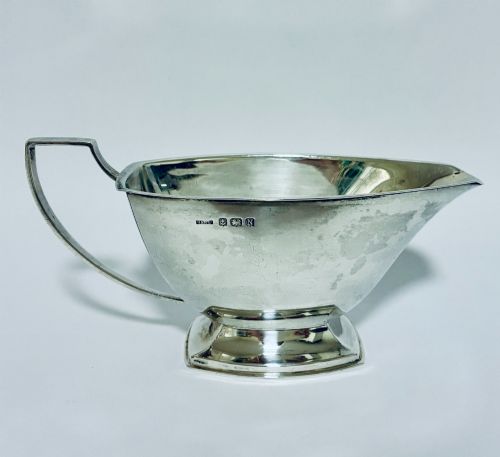
Art deco dining tableware brings geometric discipline and refined utility to the table, offering everything from silver sauce boats to cased napkin rings.
Art Deco Dining Tableware
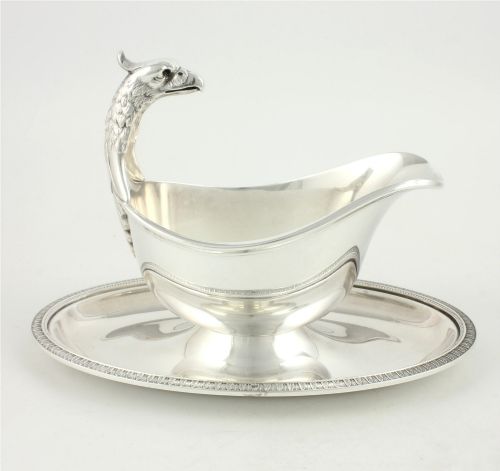
Art deco dining tableware comprises functional table accessories created primarily during the early twentieth century, spanning napkin rings, sauce boats, pepper shakers, knife rests, and serving dishes. These pieces reflect the dominant design movements of the nineteen-twenties, thirties, and forties, alongside occasional mid-century modern and art nouveau examples.
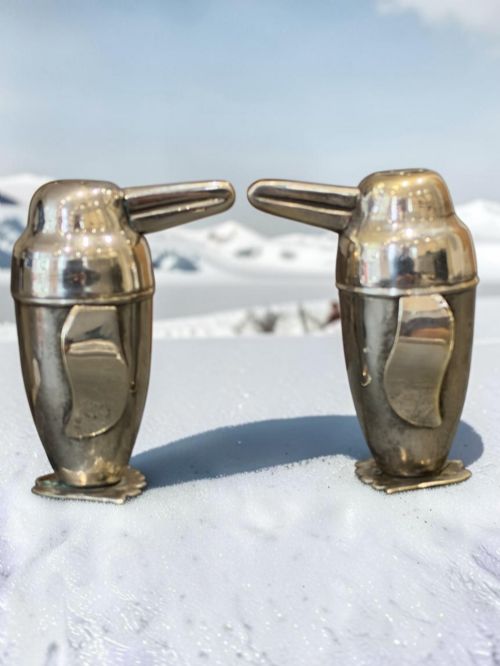
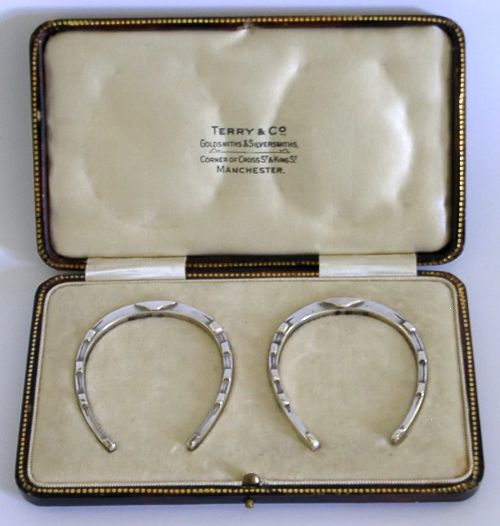
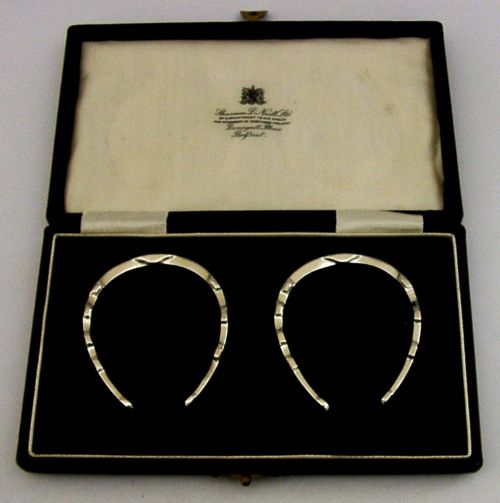
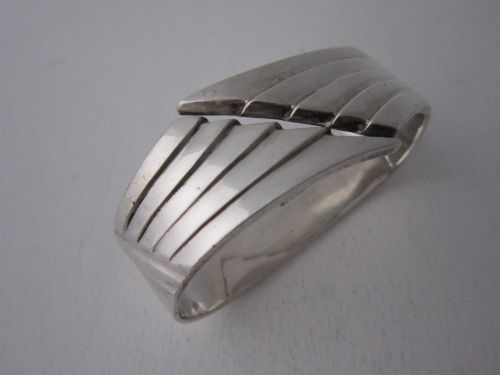
The objects seen here range from French covered serving dishes and silver-plated penguin pepperettes to cased solid sterling silver horse shoe napkin rings and asparagus serving sets. Buyers encounter both British and French origins, featuring items designed for formal dining and placed settings.
Materials and construction
Items in this category are fashioned predominantly from sterling silver and silver plate, alongside alternative materials such as durable bakelite utilised for knife rests. Linings and presentation containers incorporate textiles including velvet, satin, silk, and leatherette.
Silversmiths employed traditional casting and plating techniques to shape metals into geometric contours, figurative pepperettes, and aesthetic napkin rings. Presentation sets were frequently fitted into custom cases designed to house multiple matching elements.
Art Deco Dining Tableware Retail Price Guide 2026
Typical asking prices for art deco dining tableware among the pieces listed under this phrase on Sellingantiques today, from the lower quarter to the upper quarter. They describe what is for sale here now, not the wider market.
Penguin pepperettes stand ready to season dinner, proving that utilitarian silver once possessed a delightfully avian sense of humour.
Distinctions in quality
Quality in these table accessories rests upon the choice of material, distinguishing solid sterling silver constructions from silver-plated counterparts and moulded bakelite. Maker attribution also plays a role, with established firms and identifiable silversmiths marking pieces distinctly from anonymous production.
The presence of original fitted presentation cases and complete matching sets elevates certain groupings above single items. Detail work, such as unusual aesthetic designs on napkin rings or figurative forms like penguins and eagles, distinguishes standard utilitarian items from finer examples.
James Deakin·R. E. Stone·Christofle Gallia·Walker and Hall·Henry Wilkinson
The Art Deco Dining Tableware Glossary
- Sterling silver
- A silver alloy containing ninety-two point five percent pure silver by mass, frequently hallmarked to indicate British or international standard purity.
- Silver plate
- A base metal coated with a thin layer of silver, providing the appearance of solid silver at a different production tier.
- Bakelite
- An early synthetic plastic utilised for moulded objects such as knife rests, valued for its durability and characteristic period aesthetic.
- Sauce boat
- A small pitcher or vessel designed for serving gravies and sauces, often accompanied by an integrated or separate base.
- Knife rest
- A small support used to keep the blade of a dining knife elevated off the tablecloth between courses.
Art Deco Dining Tableware: Frequently Asked Questions
What is art deco dining tableware?
Art deco dining tableware encompasses functional table items produced during the modernist design eras of the early twentieth century. These include napkin rings, pepper shakers, sauce boats, and serving dishes.
Such objects bring period style to the dining table, utilising metals and plastics characteristic of the nineteen-twenties and thirties.
How were silver napkin rings used?
Silver napkin rings were utilised at formal family dining tables to identify individual napkins between meals. They often came in matched pairs or larger sets.
Many period napkin rings were presented in fitted velvet- or silk-lined cases for gifting or storage.
How do I identify silver plate?
Silver-plated items consist of a base metal coated in a thin layer of silver rather than being solid silver throughout. Makers often stamp specific trade marks or plate designations onto the underside.
Solid silver pieces typically display clear hallmarks indicating metal purity, assay office, and date letter.
What are bakelite knife rests?
Bakelite knife rests are table accessories moulded from early synthetic plastic during the art deco period. They supported individual dining knives to protect table linens.
Sets of these rests often match the geometric or streamlined preferences of nineteen-twenties design.