




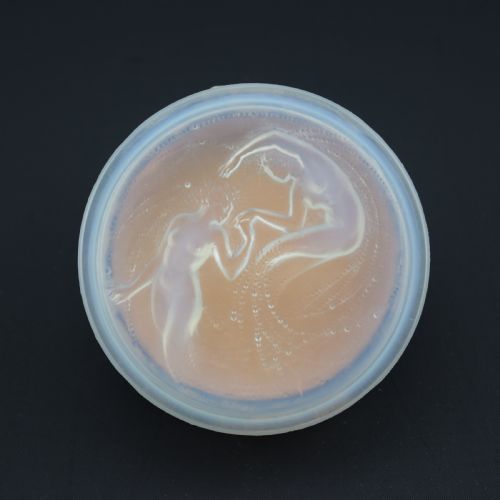
Art Deco Compact Box
An art deco compact box is a pocket vanity designed for powder, pills or cigarettes, offering geometric elegance and fine enamel work for daily carry.
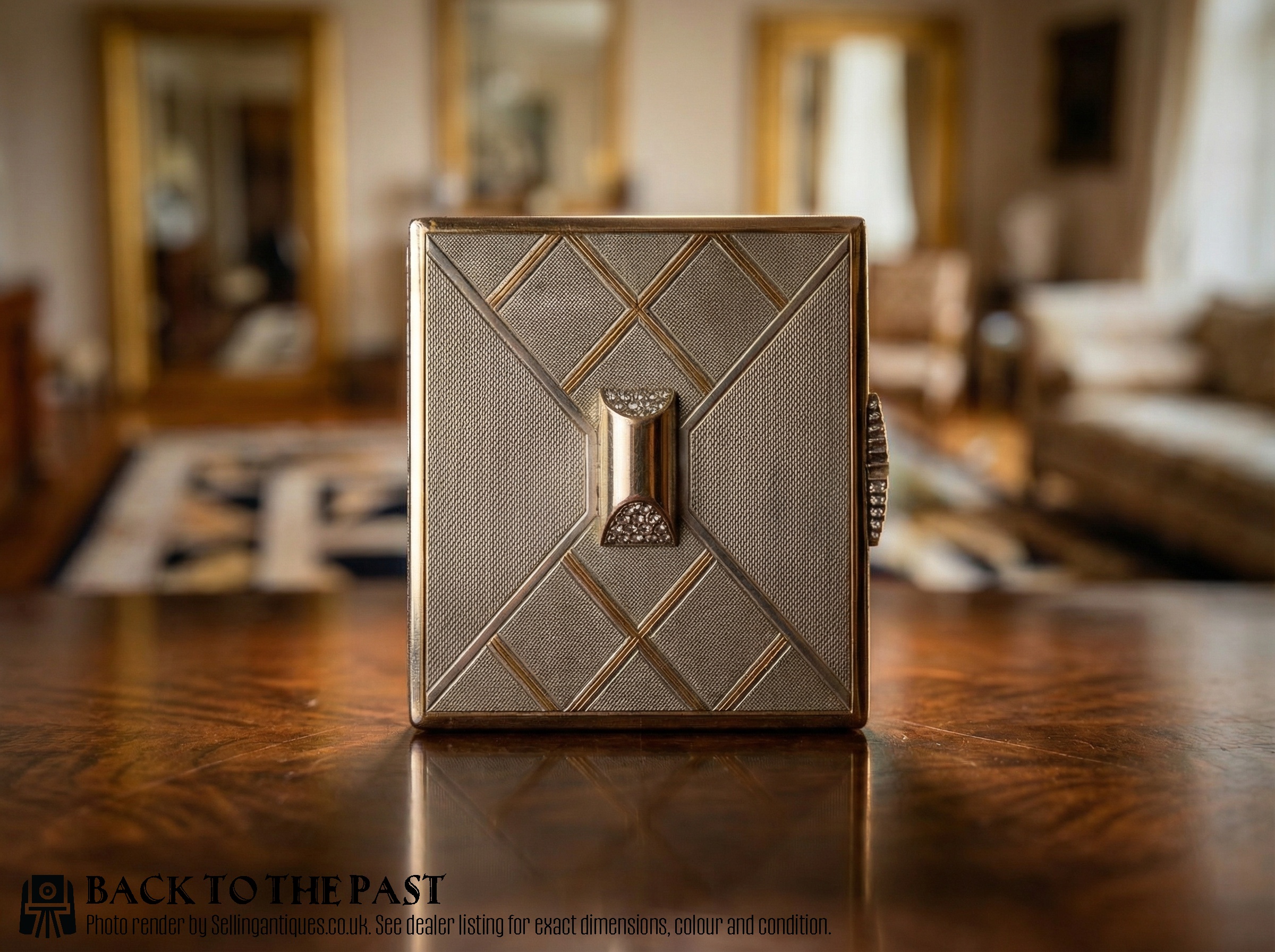
Art Deco Compact Box
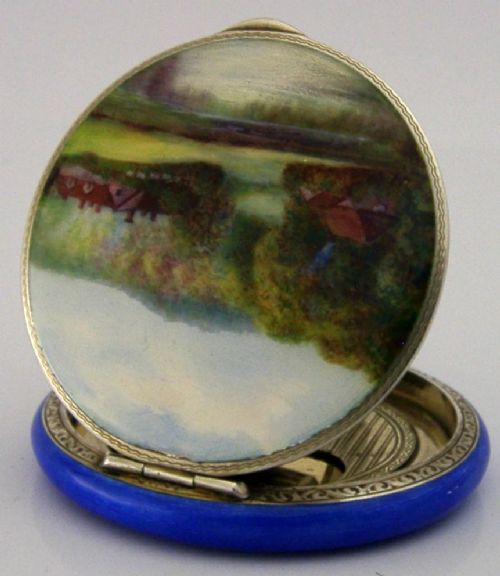
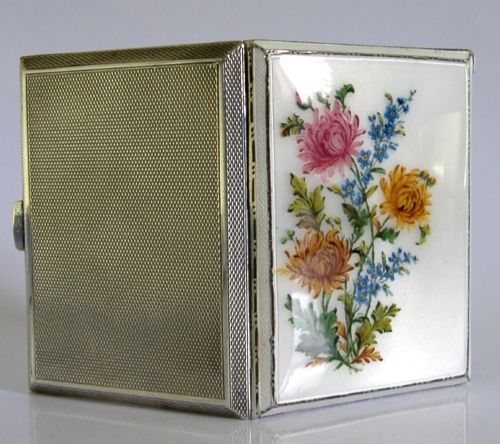
When you search for an art deco compact box, you enter a field defined by pocket-sized vanity items that served the fashionable needs of the twentieth century. These pieces encompass powder compacts, trinket boxes, cigarette cases, watch cases and vanity compacts produced during the height of the modernist era.
The versions you are most likely to meet on this page span the nineteen-twenties and nineteen-thirties, reflecting the geometric lines and decorative impulses of the period. Alongside traditional silver and enamel designs, you will encounter mesh bodies, celluloid accents and combination cases that housed multiple vanity functions in a single enclosure.
Originating from British workshops, French makers and Chinese export silver specialists, these objects combined practical utility with miniature artistry. Whether intended for loose powder, rouge or visiting cards, each piece demonstrates how everyday accessories became canvases for sophisticated design.
Materials and Construction Techniques
Makers relied heavily on sterling silver, gilt metal and chrome to form the structural carcasses of these vanity items, providing durable housing for daily use. Engine turning and cast detailing were applied directly to the metal surfaces to create intricate geometric patterns that caught the light.
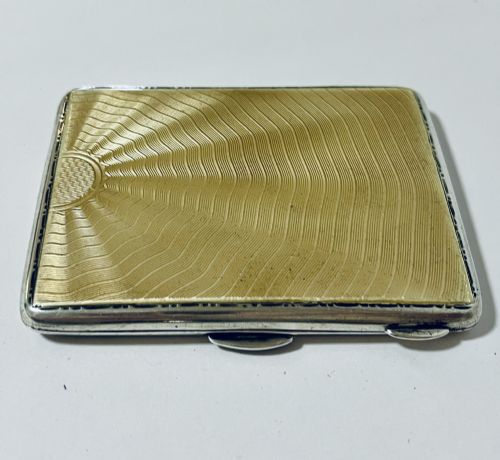
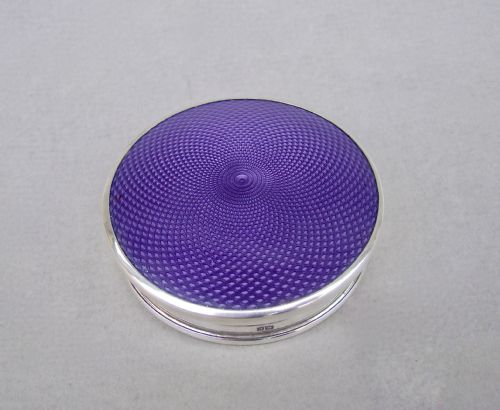
Enamelwork, particularly guilloche enamel with its translucent layered patterns over engine-turned metal, formed the primary decorative surface for many luxury examples. Specialised houses also incorporated carved celluloid, glass elements by makers such as René Lalique, and delicate metal mesh to achieve varied textures.
Materials recorded across the archive include sterling silver, gilt metal, chrome, celluloid, glass and flexible metal mesh.
What Distinguishes Quality in These Pieces
Quality rests upon the crispness of the engine turning and the integrity of the enamel work across the lid and body. Superior examples display flawless application of guilloche patterns without chipping, crazing or repairs to the vitreous surface.
The precision of the mechanical closure and the heft of the sterling silver or gilt metal structural elements dictate the standing of a piece. Finer items exhibit tight hinge tolerances, secure latches and well-preserved internal mirrors or powder sifts that remain intact after decades of handling.
Henry Matthews·The Daniel Manufacturing Co·Van Cleef And Arpels·Rene Lalique·Richard Hudnut·Houbigant
The Art Deco Compact Box Glossary
- Guilloche
- A decorative engraving technique in which a very precise, intricate repeating pattern or design is mechanically etched into metal with an engine-turning machine. It is frequently seen beneath translucent enamel on better compacts.
- Sterling silver
- A silver alloy containing proportions of silver and other metals to add strength while maintaining a high purity standard. It forms the precious metal body of many British and foreign vanity items.
- Celluloid
- An early thermoplastic material created from cellulose nitrate and camphor, used to imitate ivory, tortoiseshell or mother-of-pearl in period accessories. It provides lightweight panels and decorative inlays on select pieces.
- Mesh
- A flexible textile-like fabric formed from interlocking metal rings or links, commonly utilised for the bodies of fluid, tactile evening bags and compacts from the period.
- Engine turned
- A method of ornamentation produced by a lathe that cuts geometric motifs into metal surfaces. This technique creates shimmering light-reflecting textures on silver and chrome.
Art Deco Compact Box: Frequently Asked Questions
What is an art deco compact box used for?
These boxes were originally manufactured to hold face powder, rouge, pills or cigarettes for fashionable individuals on the go. They served as essential pocket accessories for quick touch-ups during social outings.
Today, collectors use them as decorative display items, pill boxes or refined catch-alls for small personal treasures on a dressing table.
How can I tell a 1920s compact from later decades?
Pieces from the nineteen-twenties frequently feature exuberant geometric motifs, rich guilloche enamel work and substantial sterling silver construction. They often bear clear hallmarks indicating the exact year and assay office of production.
Later examples from the nineteen-thirties tend to embrace sleeker chrome bodies, mesh constructions and simplified modernist lines influenced by industrial manufacturing shifts.
Are these compacts made of solid silver?
Many of the finer examples feature sterling silver or higher-purity silver cases, often substantiated by British assay office hallmarks or foreign silver stamps. These pieces rely on solid precious metal for their structural bodies and decorative bezels.
Other versions utilise base metals such as gilt metal, chrome or brass, sometimes paired with enamel or celluloid panels to achieve a similar decorative effect without the precious metal cost.
How do I care for an antique enamel compact?
Protect the delicate guilloche enamel surface by storing the compact away from direct sunlight and extreme temperature fluctuations. Clean the exterior gently with a soft, dry cloth and avoid harsh chemical dips that can damage the vitreous glaze.
Keep hinges and latches lightly lubricated if stiff, but handle the internal mirrors and powder compartments with care to preserve their original lining and materials.