



Art Deco Clear Vessel
An art deco clear vessel brings geometric discipline and brilliant transparency to a room, channelling the bold design spirit of the interwar years.
Art Deco Clear Vessel
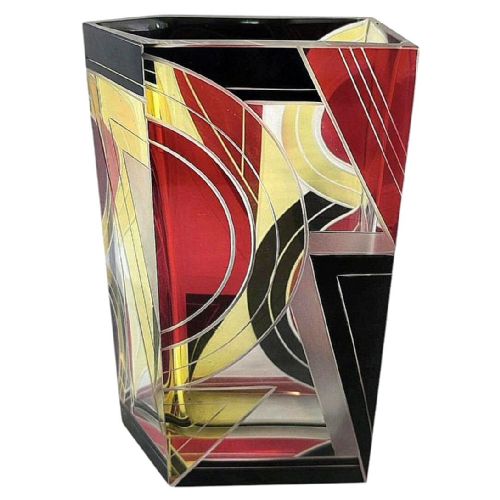
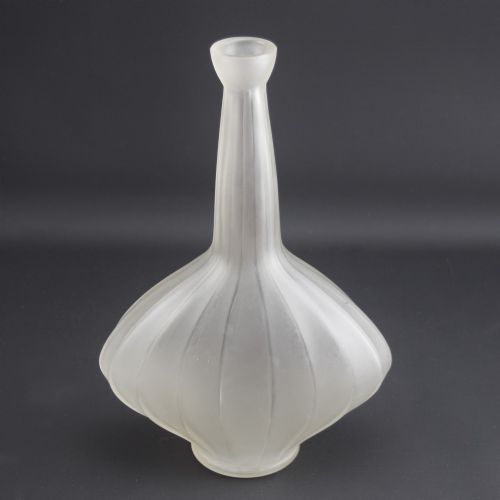
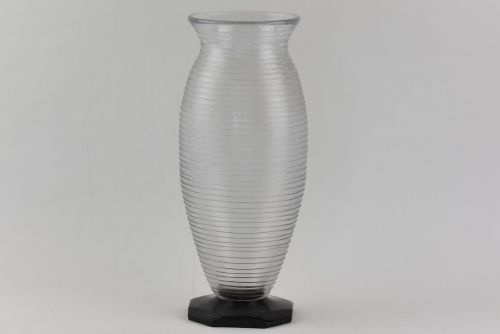
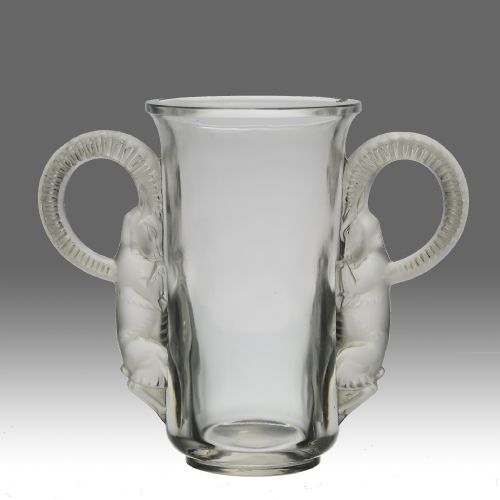
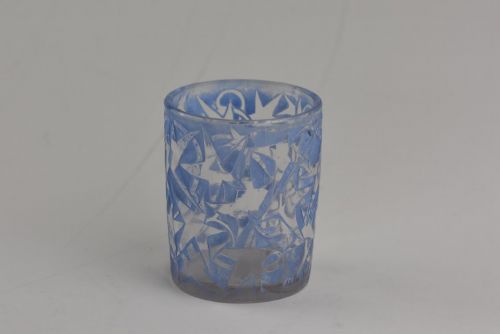
When you search for an art deco clear vessel, you encounter a sophisticated selection of glassware designed primarily during the 1920s and 1930s. These items range from tall geometric vases and deeply etched showpieces to functional decanters, scent bottles, and cocktail shakers topped with sterling silver. The forms often utilise clear glass, lead crystal, or frosted finishes, sometimes enhanced with enamel decoration or blue staining to accentuate the modernist lines.
The objects stem from notable European workshops and makers operating in France, Belgium, and the Czech Republic during the height of the Art Deco movement. You will frequently find pieces featuring moulded or opalescent details, alongside simpler cylindrical and square vessels that rely on stark architectural silhouettes rather than surface ornament. They serve as striking focal points that reflect light and embody the streamlined aesthetic of the early twentieth century.
How they were made
Makers of the period relied heavily on lead crystal and heavy clear glass, often shaping them through moulding, pressing, or free-blowing techniques. Many vessels incorporate frosted glass or deeply etched surfaces to create strong contrasts between matte and transparent textures.
Surface decoration frequently involved geometric enamel work or contrasting colour staining applied to recessed motifs. Additionally, master workshops integrated sterling silver mounts and collars into scent bottles, vanity jars, and cocktail shakers to complete the functional designs.
Even a humble cigarette holder received grand architectural treatment during the 1920s, proving that interwar smokers demanded absolute geometric style.
What varies in quality
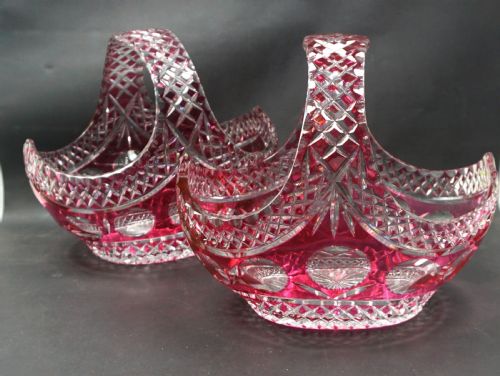
The distinction between standard production items and exceptional works lies in the depth and crispness of the etching and the purity of the crystal. Superior pieces display sharply defined geometric cuts or intricate moulded details where every contour remains crisp and deliberate.
The weight of the glass and the integration of secondary materials, such as finely worked sterling silver mounts or precisely applied enamel, elevate the standing of a vessel. Pieces bearing distinct signatures from renowned designers command greater appreciation for their artistic ambition and technical execution.
Rene Lalique·Daum·Val St Lambert·Jean Luce·Graystan·Karl Palda·Hukin & Heath
The Art Deco Clear Vessel Glossary
- Frosted glass
- Glass treated with acid-etching or sandblasting to produce a translucent, matte surface. This technique diffuses light and highlights raised decorative motifs.
- Opalescent glass
- A type of glass that displays milky, milky-blue, or fire-like colour effects when illuminated from different angles. It was widely utilised by prominent interwar glassmakers.
- Lead crystal
- Glass containing a significant proportion of lead oxide, which increases brilliance, weight, and clarity. It allows for deeper cutting and sharper facets.
- Enamel
- A decorative vitreous composition fused to the surface of glass through firing. It adds vibrant geometric patterns and contrasting colour to clear vessels.
Art Deco Clear Vessel: Frequently Asked Questions
How do I identify a genuine period piece?
Examine the weight of the glass, the clarity of the material, and any signature or maker's mark present on the base. Period examples from the 1920s and 1930s often exhibit characteristic manufacturing seams and hand-finished details.
Look closely at the depth of the etching and the quality of any silver mounts. Authentic pieces display the distinct technological limitations and artistic ambitions of their respective European workshops.
Where were these vessels manufactured?
Production was centered in key European glassmaking hubs, notably France, Belgium, and the Czech Republic. Prominent designers and major potteries operated within these regions during the height of the Art Deco era.
French makers often focused on moulded opalescent and frosted designs, while Czech workshops excelled in geometric enamel-decorated glassware and striking silhouettes.
How should I clean and care for my glass?
Wash the vessel gently by hand using warm water and a mild detergent. Avoid abrasive sponges or harsh chemicals that might damage frosted surfaces or delicate enamel decorations.
Take special care with pieces featuring sterling silver mounts or intricate etching. Dry them promptly with a soft lint-free cloth to maintain the brilliance of the clear glass.
Can I use these decorative vessels for flowers?
Many of the tall and geometric vessels were originally designed to hold flowers, though care must be taken with antique crystal and delicate enamel work. Ensure you fill and clean them gently without striking the interior walls with heavy stems.
For rarer or signed pieces, many collectors prefer to display them empty to preserve the pristine condition of the glass and any specialised surface treatments.