





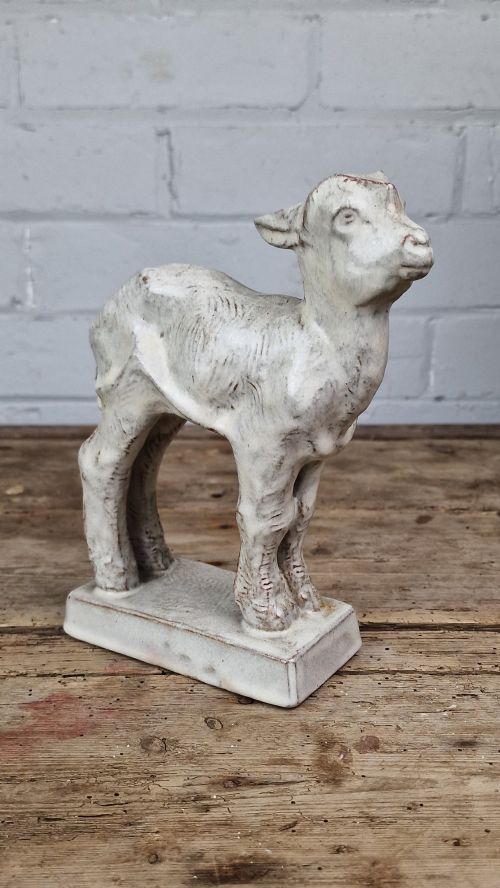
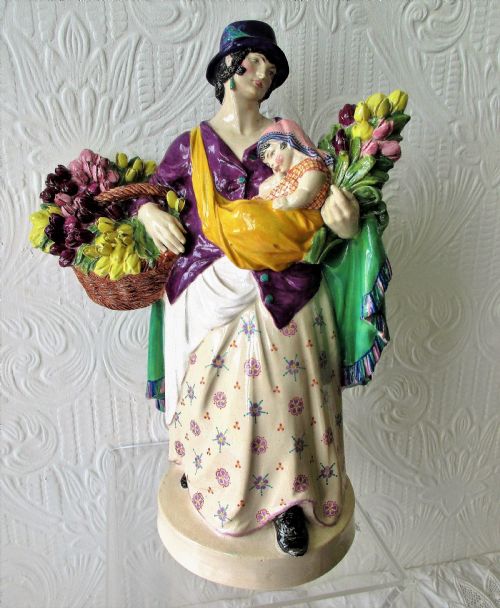


Art Deco Ceramic Statue
An art deco ceramic statue brings geometric elegance and period character to a room, capturing the modernist spirit of the interwar decades.
Art Deco Ceramic Statue
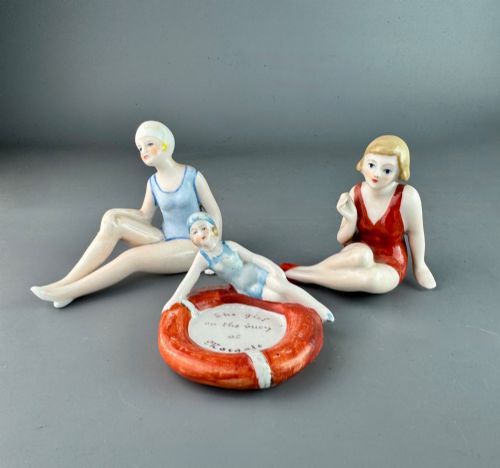
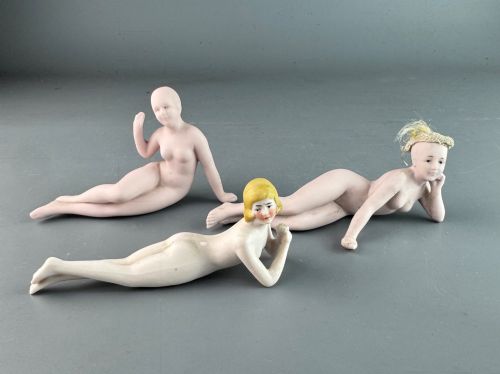
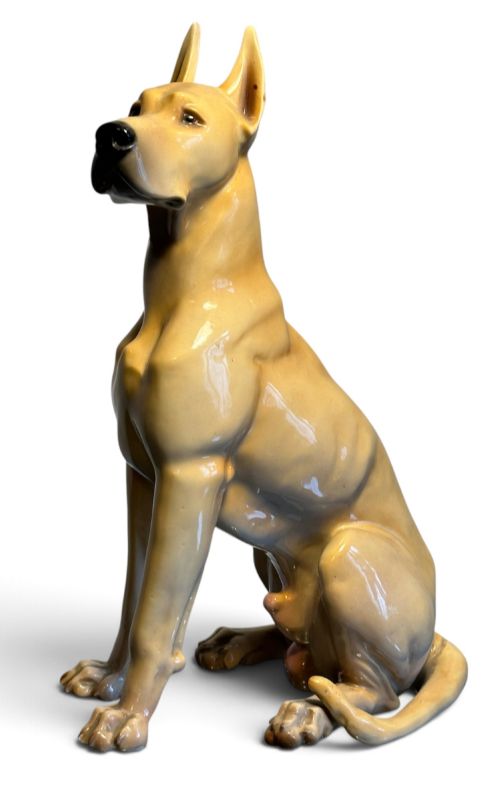
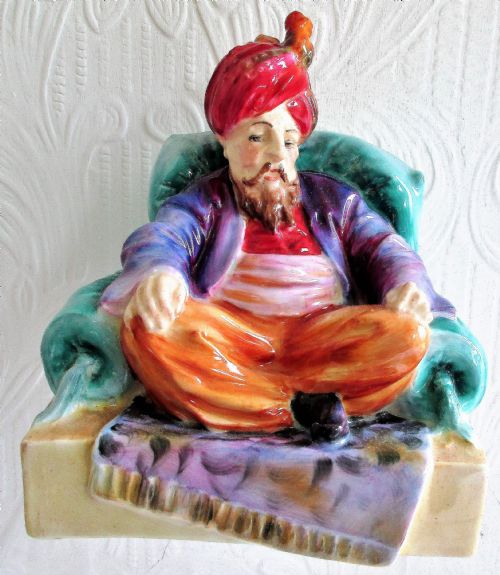
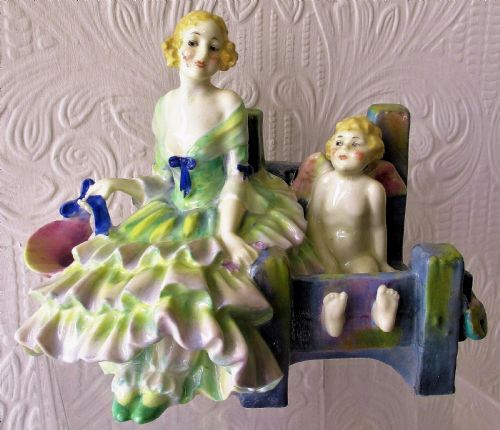
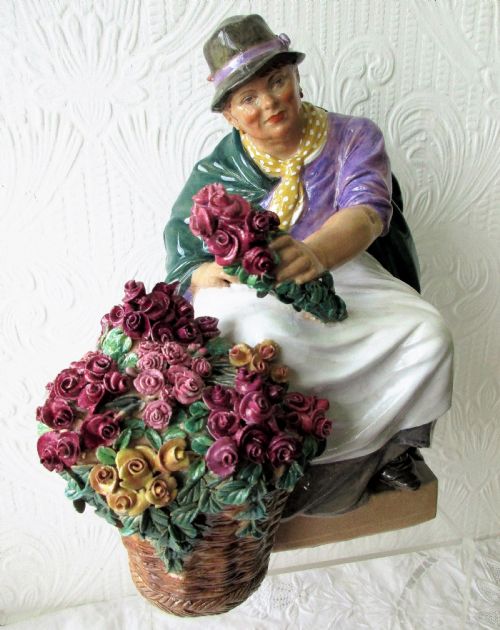
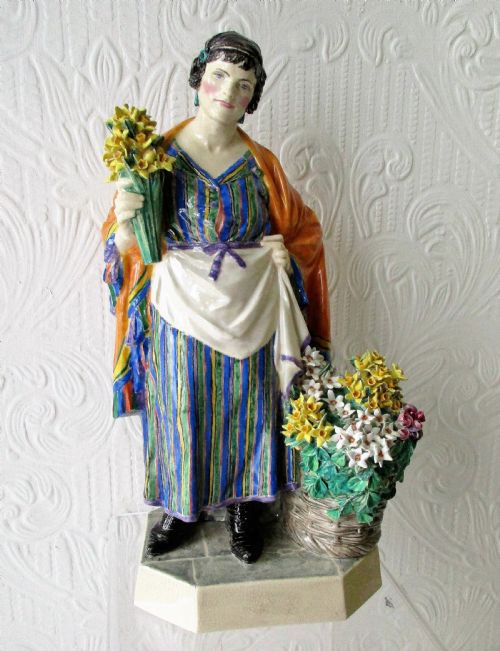
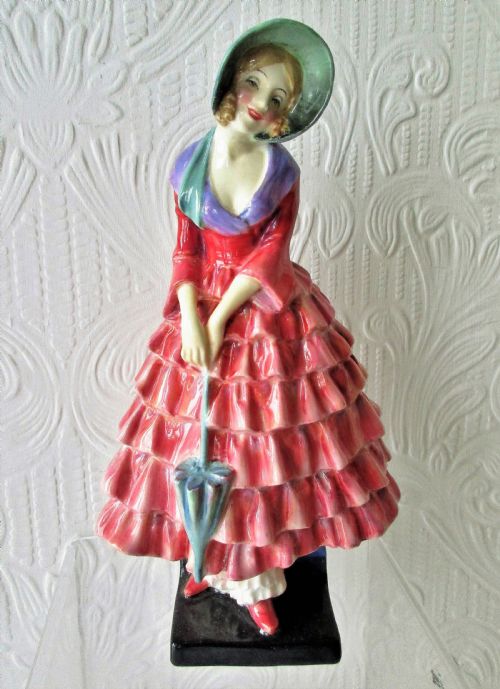
An art deco ceramic statue embodies the decorative vigour of the nineteen-twenties and nineteen-thirties, spanning human figures, dancers, animals and busts. Buyers seek these pieces to anchor a room with distinct period styling and sculptural form.
The selections available here range from English porcelain and studio pottery to French stoneware, German earthenware and Bohemian figures. The most frequent encounters on this page include female dancers, stylized animals and regional European studio ceramics.
Makers and regional potteries from England, France, Germany and Bohemia dominate the output. These works utilise the distinct modelling techniques typical of the period, from glazed porcelain to terracotta and earthenware.
Materials and methods
Potters and sculptors employed ceramic, porcelain, earthenware, terracotta and bone china, shaping them into figures and applying rich glazes or painted highlights. Many pieces combine moulded earthenware with hand-finished details such as gilded accents or glass eyes.
Kiln firing methods dictated the final finish, whether a glossy glaze, a matte bisque surface or Blanc de Chine. Some larger models incorporate wooden bases or specialised mounts to support complex figural groups.
Art Deco Ceramic Statue Retail Price Guide 2026
Typical asking prices for art deco ceramic statue among the pieces listed under this phrase on Sellingantiques today, from the lower quarter to the upper quarter. They describe what is for sale here now, not the wider market.
Listings feature materials spanning porcelain, earthenware, terracotta, stoneware and bone china across the nineteen-twenties and nineteen-thirties.
Judging quality and execution
Artistic authorship elevates certain pieces, particularly those bearing recognizable signatures or originating from established European studios. The harmony between the glaze palette and the sculptural silhouette defines the aesthetic success of the work.
Royal Doulton·Charles Vyse·Berthe Savigny·Meissen·Royal Dux·Guido Cacciapuoti
The Art Deco Ceramic Statue Glossary
- Bisque
- Unglazed ceramic fired once, leaving a matte, porous surface with a smooth texture.
- Blanc de Chine
- A white porcelain glaze originating from China, adopted by European factories for fine sculptural figures.
- Earthenware
- Porous pottery fired at lower temperatures, requiring a glaze to achieve impermeability.
- Terracotta
- Unglazed or glazed fired clay of a brownish-red colour, commonly used for sculptural models and animal figures.
- Flapper
- A term describing the modern young woman of the nineteen-twenties, frequently depicted in period ceramics and statuettes.
Art Deco Ceramic Statue: Frequently Asked Questions
How do I clean my ceramic statue?
Dust the surface gently with a soft, dry brush to prevent the accumulation of dirt within crevices. Avoid using water or chemical cleaners, particularly on bisque or painted surfaces, as moisture can damage the finish.
For glazed porcelain or hard ceramics, a slightly damp cloth may be used cautiously, followed immediately by drying with a soft lint-free cloth.
Where should I display these figures?
Place figures on stable surfaces away from direct sunlight and areas of high foot traffic where accidental knocks might occur. Stable mantelpieces, enclosed shelving or dedicated display cabinets offer secure environments.
Ensure the display location is protected from sudden temperature fluctuations that could stress older ceramic bodies or glazes.
Are these pieces fragile?
Ceramic and porcelain figures are inherently delicate and susceptible to damage from impacts or falls. Handle them with both hands, supporting the base and body rather than lifting by thin extremities like limbs or hats.
Display them away from the edge of furniture and secure any wooden bases or attached elements properly.