



Aristocratic Female Oil Painting
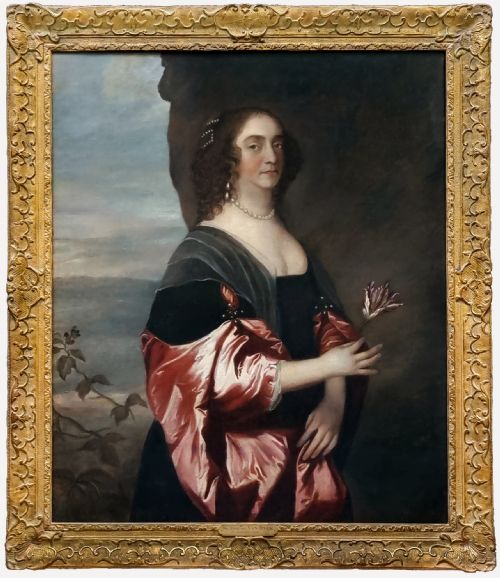
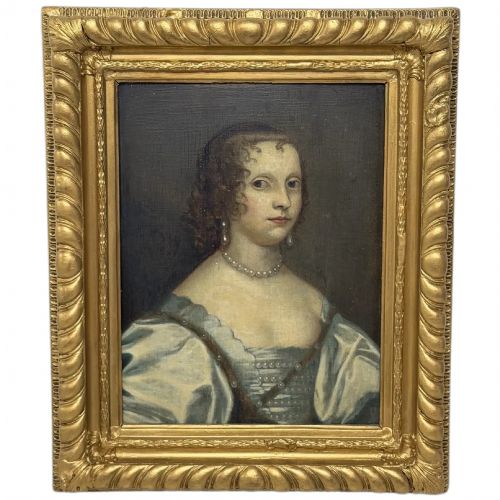
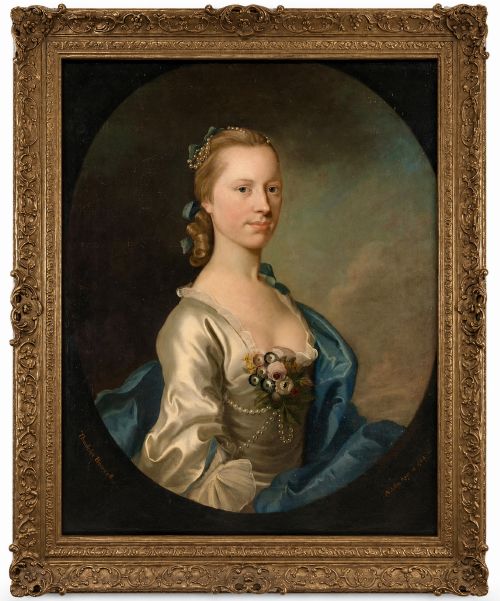
An aristocratic female oil painting captures the dignified likeness of a notable woman in fine attire across the seventeenth and eighteenth centuries.
Aristocratic Female Oil Painting
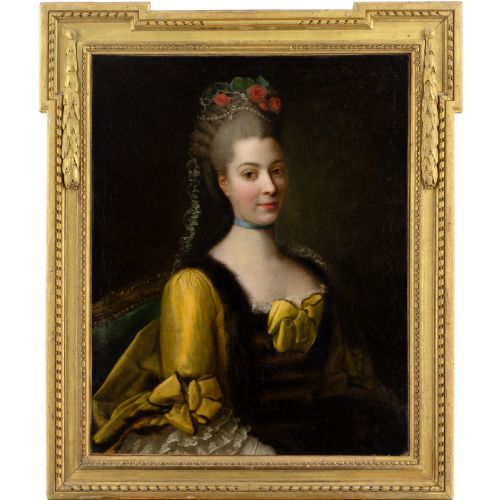
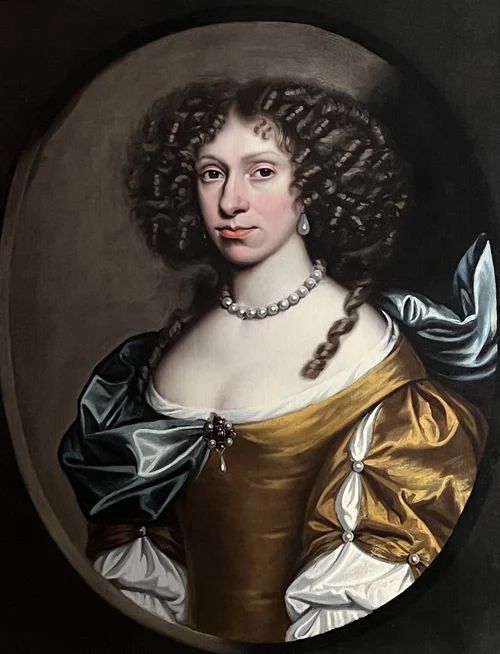
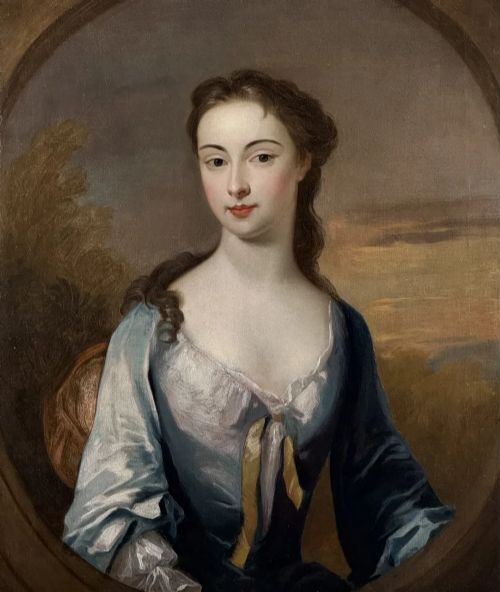
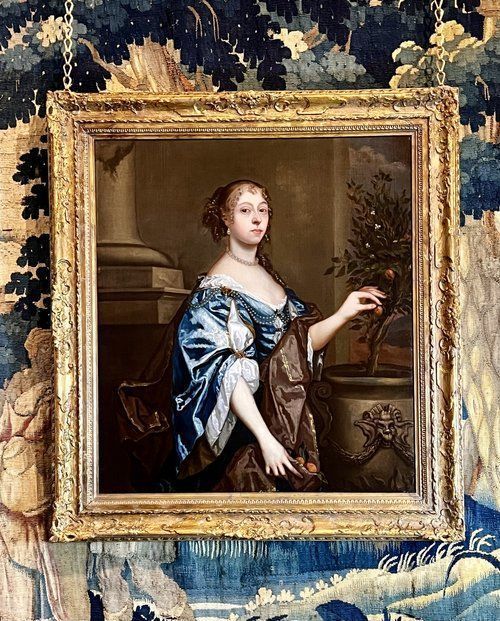
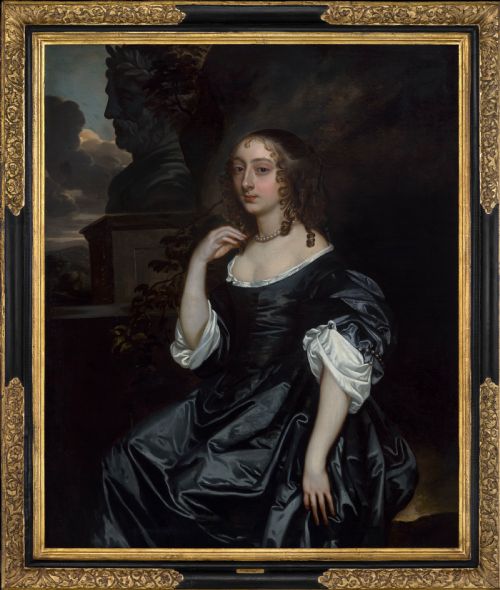
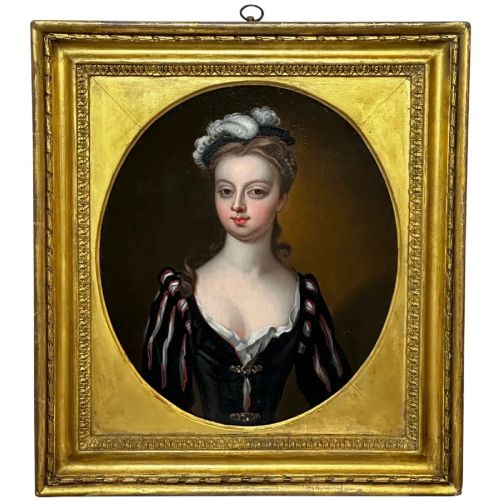
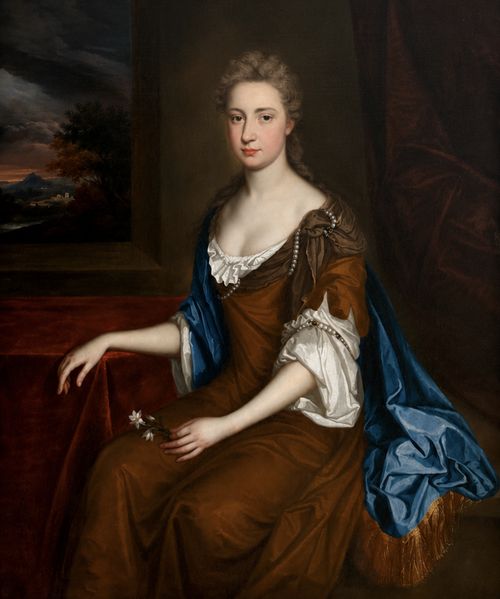
An aristocratic female oil painting portrays noblewomen, ladies of quality, and notable figures rendered in formal attire, often adorned with pearls, silks, and elaborate gowns. These works serve as historical records of high social standing, capturing the sitter's status through gesture, dress, and carefully composed settings.
This collection brings together examples predominantly from the seventeenth and eighteenth centuries, executed across British, Dutch, and French schools. Canvases range from intimate depictions to large-scale works, occasionally recording specific noble families and historical personages.
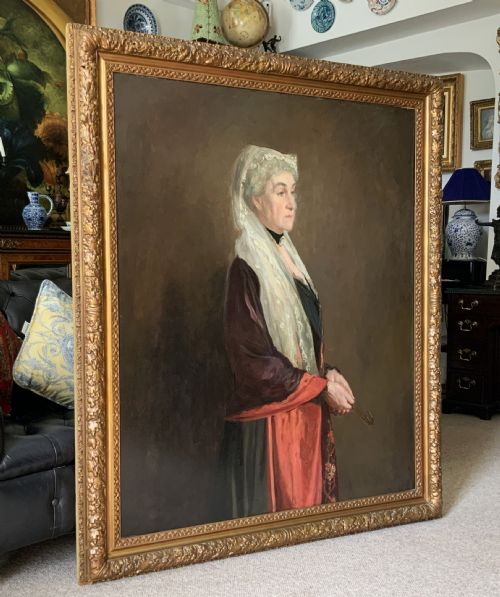
Framing is an integral component of these pieces, with many surviving in period giltwood, gilt wood, or gilded wood frames incorporating gold leaf. The survival of original or period frames enhances the contextual integrity of the portrait.
Materials and technique
Finishing touches often involved protective varnishes that deepened tones over centuries, while the surrounding frames were constructed from carved wood finished with applied gold leaf and giltwood details.
Listings feature seventeenth and eighteenth-century works executed in oil on canvas and oak panel, housed in period giltwood frames.
Distinctions in quality
Quality rests upon the sensitivity of the brushwork, the psychological depth captured in the sitter's expression, and the dexterity with which fabrics and lace are rendered. Master practitioners managed the fall of light and shadow across silk and skin with absolute precision, whereas lesser works display stiffness in posture and formulaic handling of drapery.
The preservation of the pigment layer and the originality of the canvas support dictate the visual integrity of the piece. Works that retain their original unlined canvas and period giltwood frames command greater authority than those heavily restored or rehoused in later surrounds.
David Scougall·John Hayls·Charles Jervas·Pieter Borsseler·Sir Peter Lely·John Vanderbank·Allan Ramsay·Robert Edward Morrison·Pieter Nason·Sir Godfrey Kneller·Thomas Murray·Robert Byng·Philip Mercier·John Michael Wright·Joseph Highmore·Michael Dahl·Thomas Hickey
The Aristocratic Female Oil Painting Glossary
- Oil on canvas
- A painting medium where pigments are suspended in a drying oil, typically linseed, and applied to a stretched woven fabric support. This combination became the standard format for portraiture due to its durability and capacity for rich tonal gradation.
- Giltwood
- Wood carved and coated with a thin layer of gold leaf or metallic powder to simulate solid gold. It provides an ornate, reflective border designed to catch interior candlelight.
- Studio of
- A designation indicating that a painting was produced within the workshop of a master artist, often under their direct supervision or following their established compositions.
- Circle of
- A term used when a painting shows the distinct stylistic influence and hand of a known master's immediate professional milieu, without being attributable to the artist directly.
- Oak panel
- A rigid wooden support formed from oak boards, utilised frequently in earlier portraiture before canvas achieved dominance.
Aristocratic Female Oil Painting: Frequently Asked Questions
How do I identify the sitter in a portrait?
Sitters are sometimes identified by contemporary inscriptions on the canvas, stretcher bars, or historical records linked to noble families. Heraldic devices, coats of arms, or specific family heirlooms depicted within the composition also offer vital clues.
Where inscriptions are absent, comparison with documented portrait collections and costume analysis helps narrow down the historical identity of the noblewoman.
What does attribution to a circle mean?
Attribution to an artist's circle indicates that the work was created by a contemporary painter closely associated with that master's workshop. These pieces share stylistic traits, handling of light, and compositional approaches typical of the primary artist.
This classification reflects high competency and period proximity without claiming direct execution by the master's own hand.
How should I care for an oil portrait?
Oil portraits require stable indoor environments away from direct sunlight and rapid temperature fluctuations. Excessive heat and humidity can cause canvas tension to shift and paint layers to crack.
Dusting should be performed gently with a dry, soft brush, avoiding any moisture or chemical cleaning agents on the delicate paint or giltwood frame.
Are original frames important for portraits?
Original or period frames provide crucial historical context and complement the aesthetic balance of the artwork. Giltwood and gold leaf surrounds from the seventeenth and eighteenth centuries were specifically designed to enhance the depth of the painting.
Finding a canvas paired with its coeval frame preserves the integrity of the object as a complete historical artefact.