




Baroque Female Oil Painting
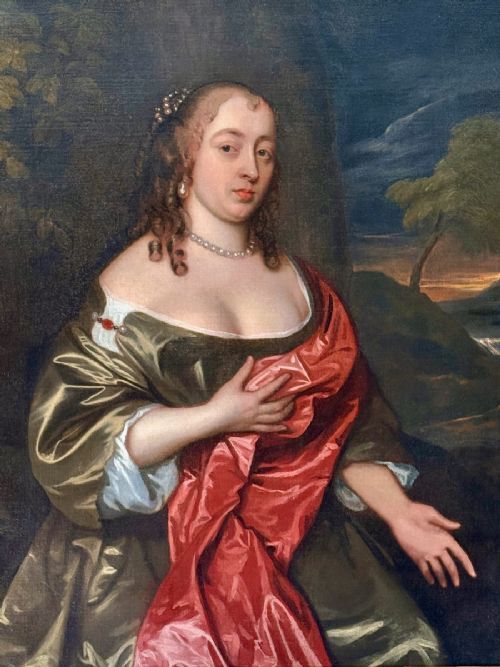
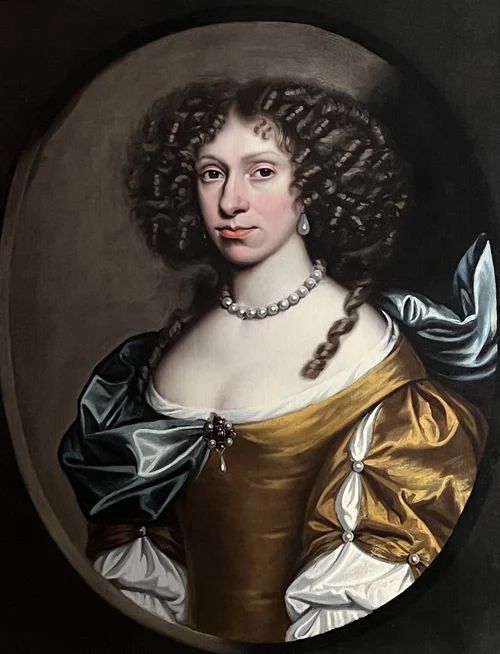
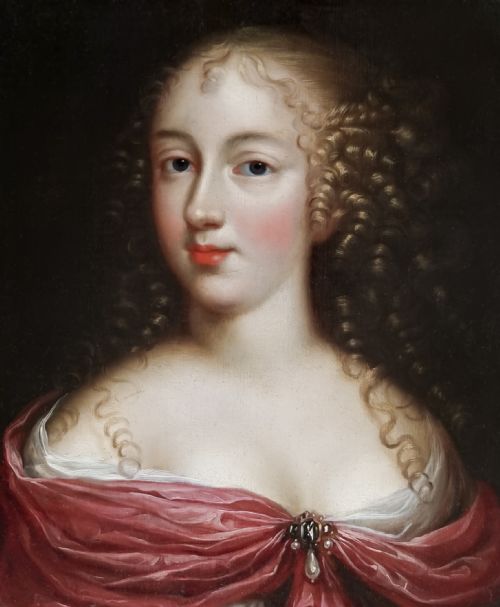
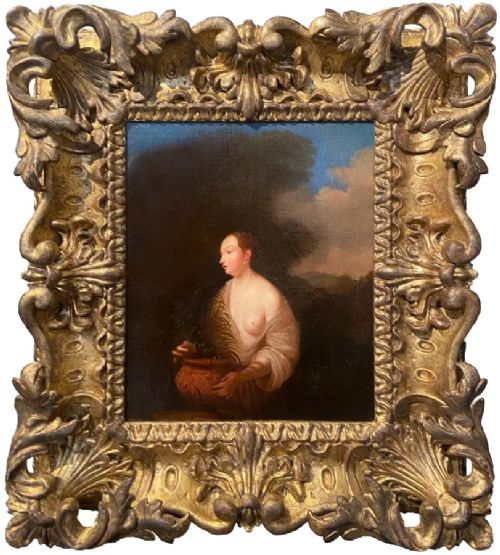
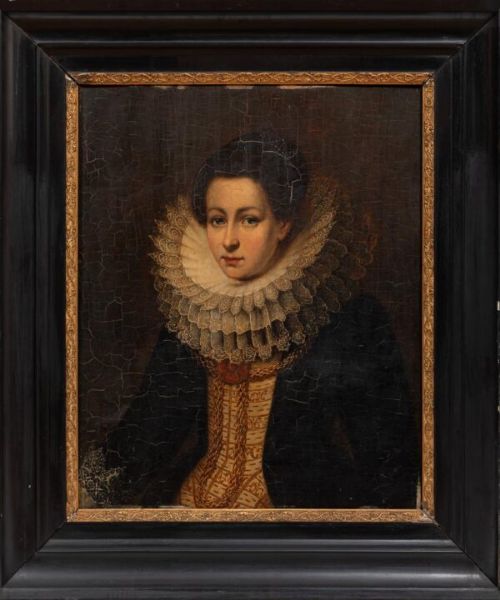
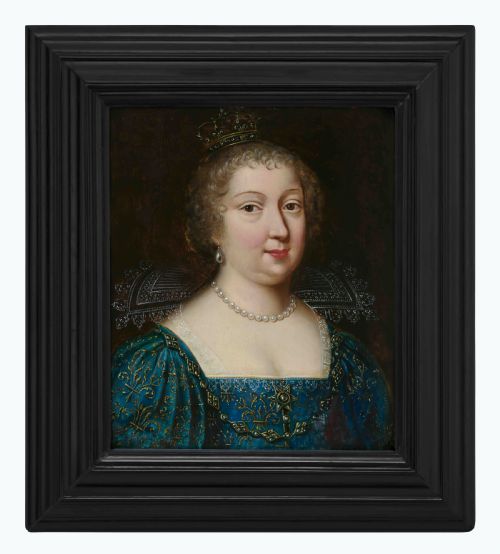
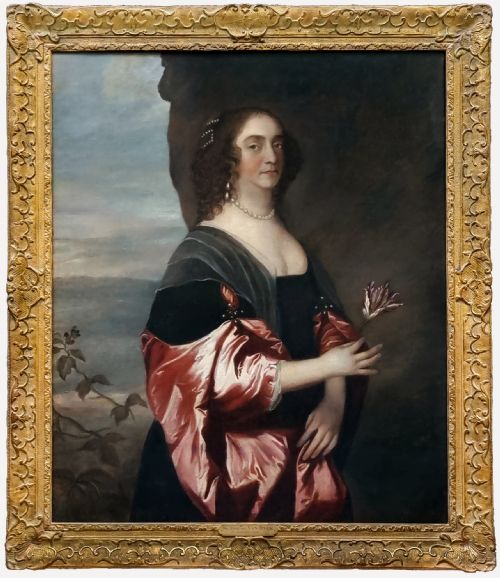
When you look for a baroque female oil painting, you find centuries-old portraits of noblewomen, countesses, and allegorical figures rendered in rich pigments and dramatic light.
Baroque Female Oil Painting
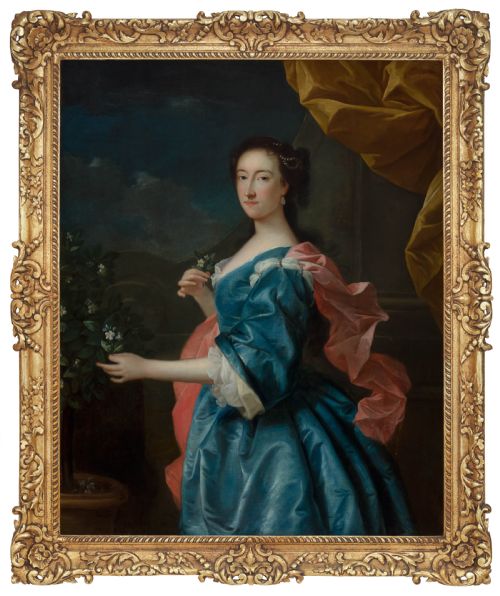
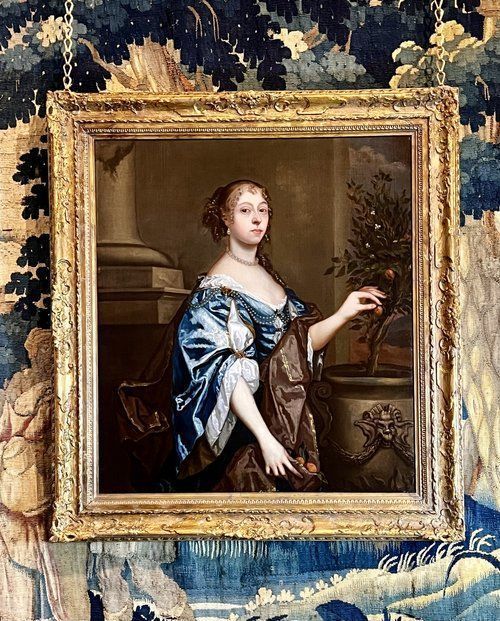
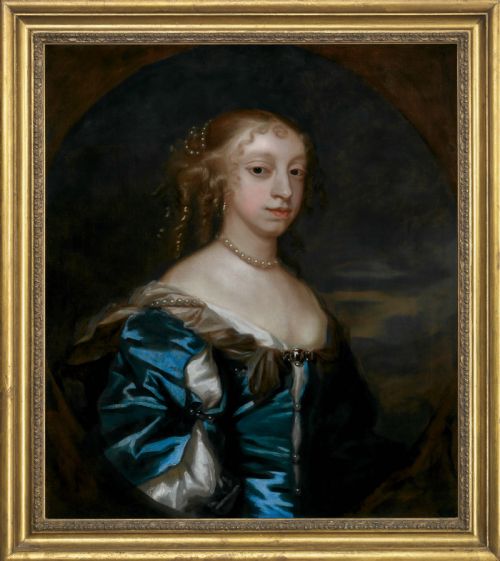
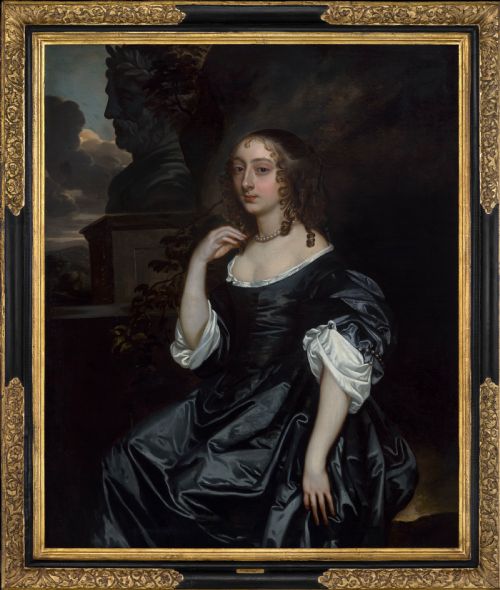
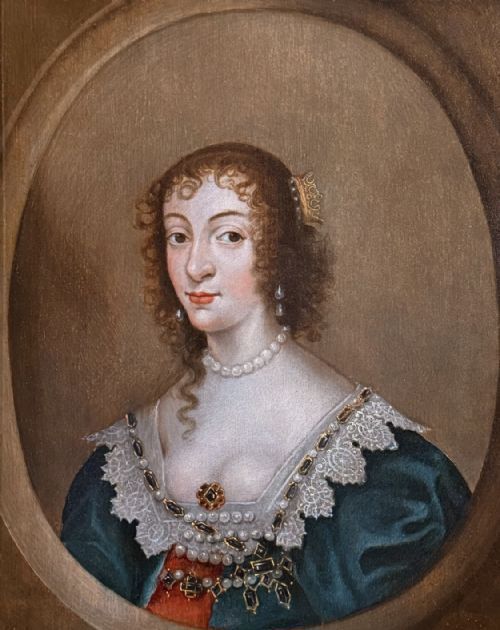
A baroque female oil painting captures elite women, aristocrats, and mythological subjects through the dramatic chiaroscuro and theatrical compositions characteristic of the seventeenth and eighteenth centuries. These works frequently depict named sitters such as countesses and noblewomen, often dressed in opulent gowns adorned with lace, pearls, and elaborate ruff collars. The figures emerge from dark, atmospheric backgrounds, sometimes accompanied by symbolic elements like orange trees or musical instruments.
The selections available here lean heavily into seventeenth-century portraiture from British, Dutch, and French circles, alongside eighteenth-century interpretations of aristocratic subjects. Buyers encounter canvases and panels bearing likenesses attributed to prominent court painters and their studios, recording the distinct fashion and status of the period. Alongside formal portraits, works occasionally portray female figures cast as classical goddesses or saints, merging portraiture with narrative art.
While many examples originate from the core decades of the baroque period, the listings also encompass later interpretations and eighteenth-century continuations of the style. These later pieces maintain the rich colour palettes and grandeur of earlier decades, offering the same dramatic presence on the wall. Each piece reflects the formal conventions of elite portraiture, where the sitter's social standing is signaled through posture, costume, and accessories.
Materials and methods
The physical foundation of these works typically consists of woven canvas or wooden panels prepared with traditional grounds before the application of oil paint. Artists built up their compositions using rich oil pigments, employing layered glazes to achieve deep shadows and luminous skin tones, while metals like gold leaf occasionally enhanced the surrounding frames.
Surviving paintings are frequently housed within heavy, ornate giltwood or gilt wood frames that complement the grandeur of the canvas within. The combination of oil paint on canvas or panel, secured by timber stretchers and framed in carved and gilded wood, represents the standard construction method across the eras represented here.
Several noblewomen on these canvases refuse to part with their oversized fruit, clutching oranges as if guarding crown jewels.
Assessing quality in historical portraiture
The distinction between standard studio output and prime examples rests upon the dexterity of the brushwork in rendering delicate details like lace collars, hair, and facial expressions. Master hands achieve a convincing sense of volume in drapery and luminosity in skin, whereas lesser works rely on stiff repetition and flat application of pigment.
Condition and historical proximity to the named artist or circle also dictate the standing of a canvas. Paintings that retain their original handling without heavy overpainting offer a clearer window into the technical skill of the period, whereas heavily restored surfaces obscure the original hand.
John Hayls·David Scougall·Pierre Mignard·Pieter Borsseler·Sir Peter Lely·Robert Byng·Henri and Charles Beaubrun·Cornelius Johnson·Sir Anthony Van Dyck·John Greenhill·Nicolaes Maes·Nicolas Fouché·Sir Godfrey Kneller·Pierre Gobert·Guido Reni·Thomas Murray·Balthasar Denner·Pieter Nason
The Baroque Female Oil Painting Glossary
- Chiaroscuro
- The treatment of light and shade in drawing and painting. This technique creates strong contrasts between dark and light areas to give subjects a three-dimensional volume.
- Canvas
- A heavy woven fabric used as a surface for oil painting. It is typically stretched tightly over a wooden frame before artists apply their preparatory grounds.
- Giltwood
- Wood that has been covered with a thin layer of gold leaf or gold paint. Frames constructed in this manner provide the ornate, reflective borders typical of seventeenth-century display.
- Ruff
- A projecting pleated collar popular in the fashion of the late sixteenth and early seventeenth centuries. They appear frequently in portraits to denote high social status through stiffened linen and intricate lace.
- Panel
- A flat piece of wood used as a rigid support for painting before canvas became the dominant medium. Wooden panels often require specific conservation care to manage humidity changes.
Baroque Female Oil Painting: Frequently Asked Questions
How should I hang a heavy gilt-framed portrait?
These large canvases require secure fixing directly into wall studs or the use of heavy-duty masonry fixings to support the combined weight of the timber stretcher, canvas, and ornate giltwood frame.
Position the painting at eye level away from direct sunlight and heat sources to protect the ageing oil pigments and wooden support from environmental damage.
Are these paintings original seventeenth-century works?
The listings span multiple centuries, including period works created in the seventeenth and eighteenth centuries, alongside later copies and pieces produced in the manner of earlier masters.
Check the individual listing details for the assigned period, attribution, and medium to determine whether a piece is a contemporary portrait or a later historical interpretation.
What is the significance of the objects held by sitters?
Sitter accessories such as orange blossoms, flowers, or musical instruments often carried symbolic meanings relating to virtue, fertility, or allegorical themes like the seasons.
In many baroque portraits, these items also served to showcase the sitter's wealth through imported flora or to identify them with a specific mythological figure.
How do I care for an old master oil painting?
Maintain a stable room temperature and relative humidity to prevent the canvas from slackening or the wooden panel from warping and cracking over time.
Dust the surface gently with a soft, dry brush and avoid using any liquid cleaners or chemical agents on the aged oil paint or varnish layer.