





Architectural Salvage Plaque
An architectural salvage plaque carries the weight of centuries, offering carved wood, cast iron and stone panels for historic interiors.
Architectural Salvage Plaque
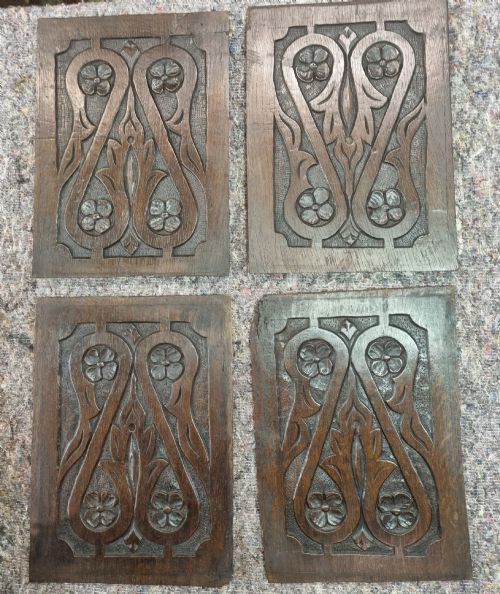
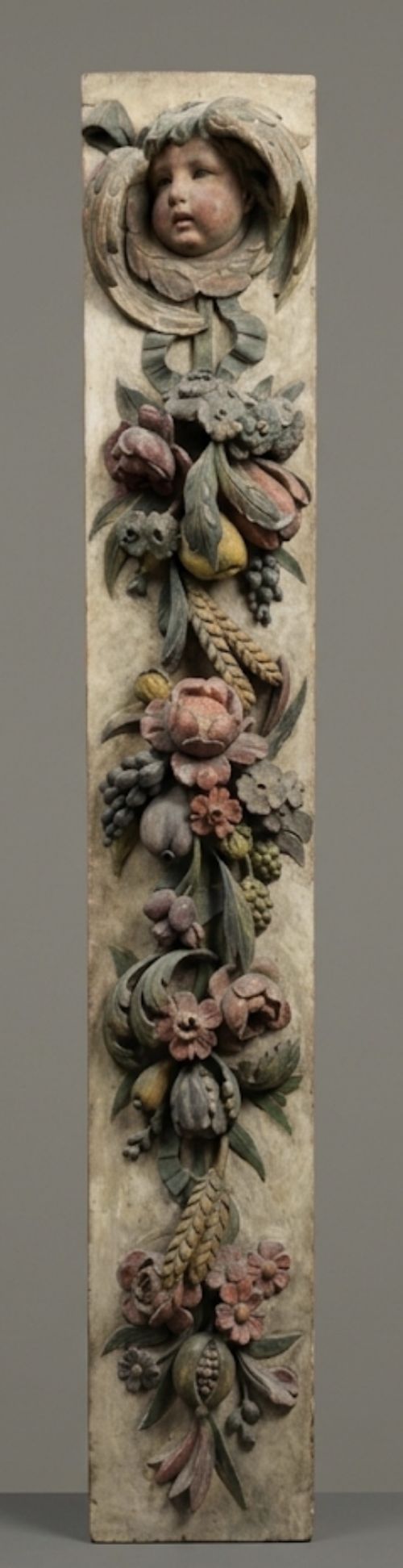
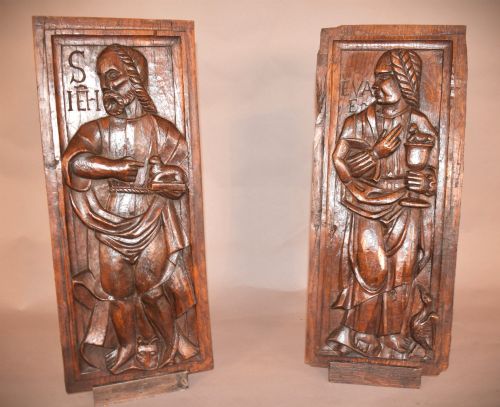
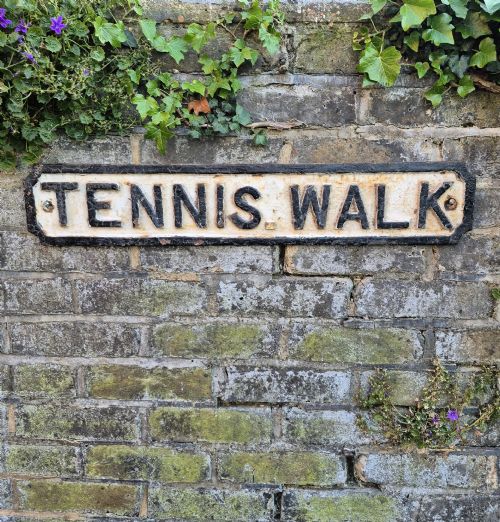
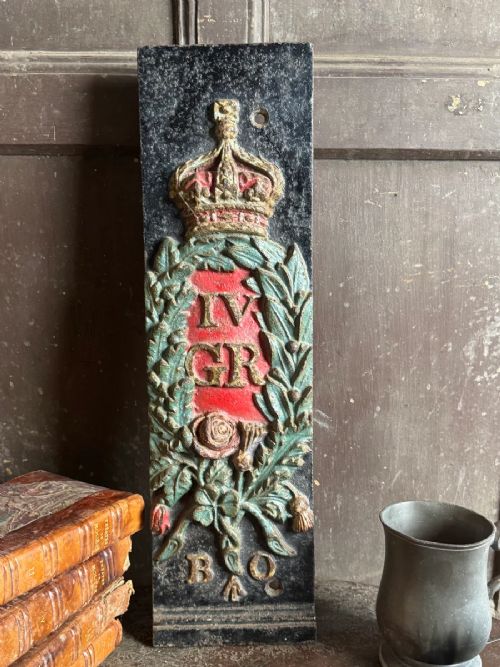
An architectural salvage plaque brings historical fabric directly into a room, taking the form of carved wooden panels, cast iron coats of arms, street signs, and stone keystones. When searching for an architectural salvage plaque, buyers encounter items ranging from seventeenth century oak carvings and linenfold panels to Victorian cast iron signifiers and nineteenth century stone memorials.
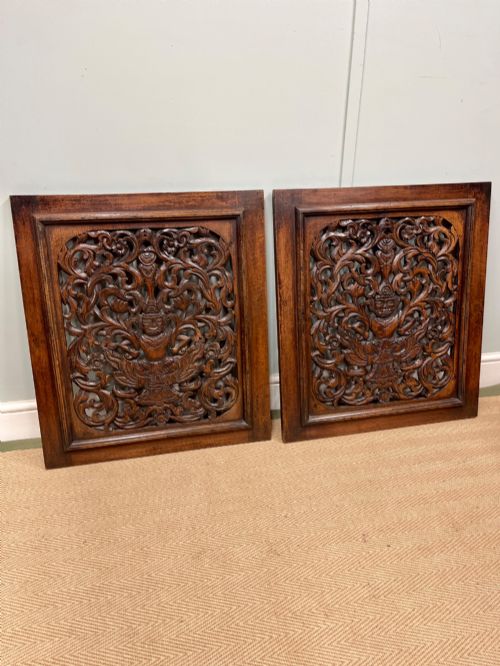
The selection on this page draws heavily from British, French, Flemish, and Chinese traditions, spanning periods from the seventeenth century through to the early twentieth century. Formats vary from small wall art and architectural carvings to large painted cart doors and exterior signs in glass and brass.
Most pieces originate from domestic buildings, civic structures, and streetscapes, serving originally as exterior markers, door plates, or interior wall reliefs. Today, these objects function as striking focal points in modern rooms, retaining the patination and wear of their previous lives.
How they were made
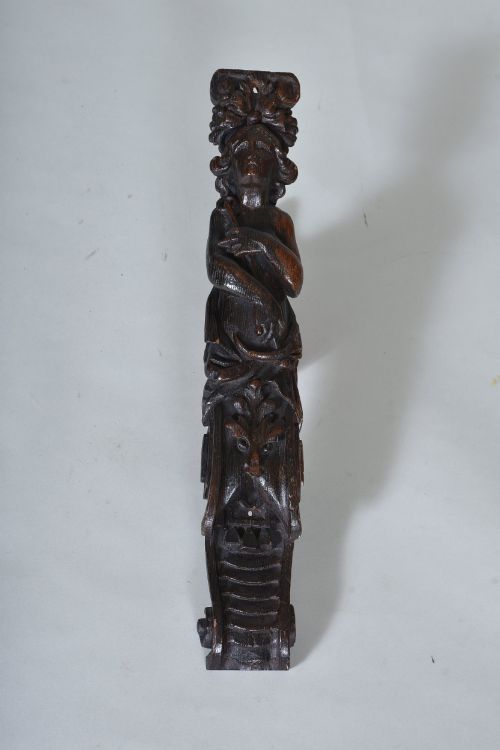
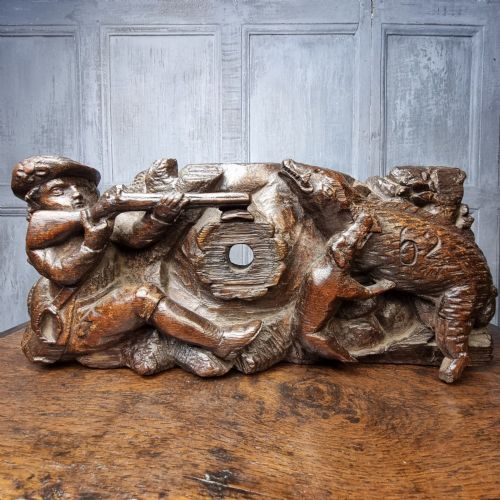
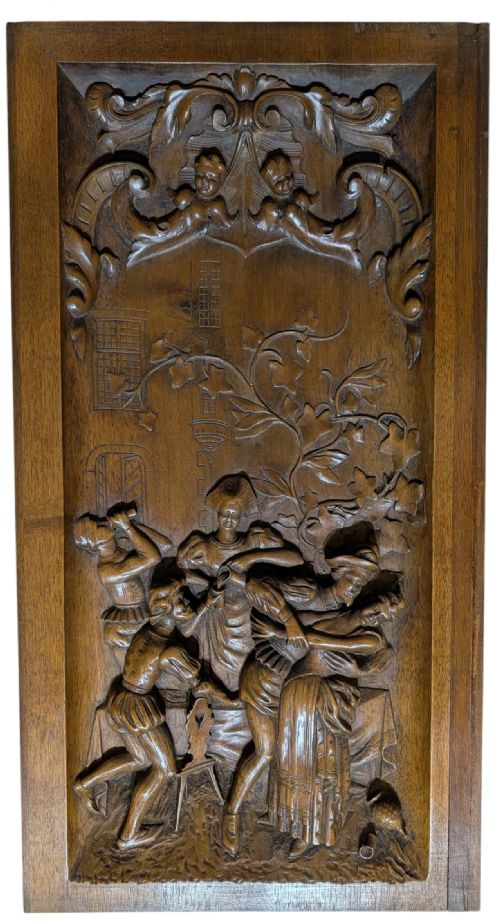
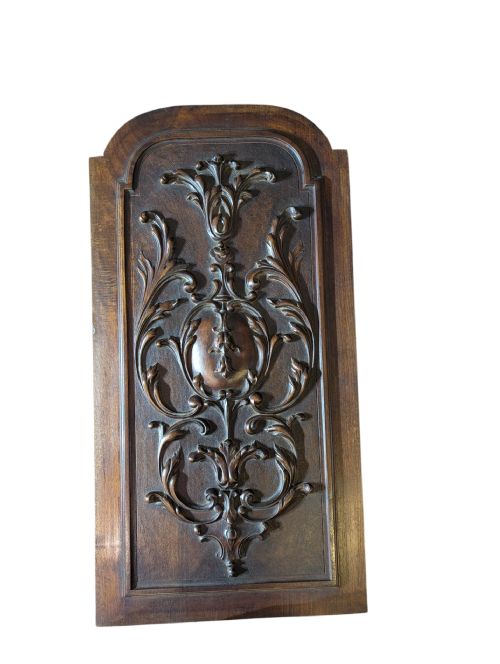
Timber works form a substantial portion of the listings, executed primarily in oak and tiger oak using hand carving techniques to produce linenfold designs, allegorical figures, and hunting sculptures. Craftsmen also utilised softer woods with polychrome paint, gesso, and gold leaf finishes, alongside specialised materials like leathermaché for lightweight decorative putti.
Metal components rely on foundry work, producing heavy cast iron plaques, bronze door plates, and brass exterior signs. Iron pieces often display original painted surfaces or heraldic polychrome details, while stone elements such as red sandstone and York stone exhibit precision masonry and hand-carved lettering or dates.
Architectural Salvage Plaque Retail Price Guide 2026
Typical asking prices for architectural salvage plaque among the pieces listed under this phrase on Sellingantiques today, from the lower quarter to the upper quarter. They describe what is for sale here now, not the wider market.
A cast iron plaque commands the room, while a cheerful terracotta lion's mask keeps watch from the wall.
What varies in quality
Depth and clarity of hand carving dictate the standing of wooden panels, where crisp relief work on seventeenth century oak contrasts with simpler mass-produced mouldings. The survival of original surface treatments, such as polychrome paint, gold leaf, or aged patination, distinguishes untouched examples from those heavily restored.
Material density and historical significance separate ordinary architectural fragments from exceptional pieces, seen particularly in monumental cast iron royal coats of arms and dated stone keystones. The integrity of the original material, whether cast bronze or seasoned timber, governs the longevity and visual impact of the plaque.
The Architectural Salvage Plaque Glossary
- Linenfold
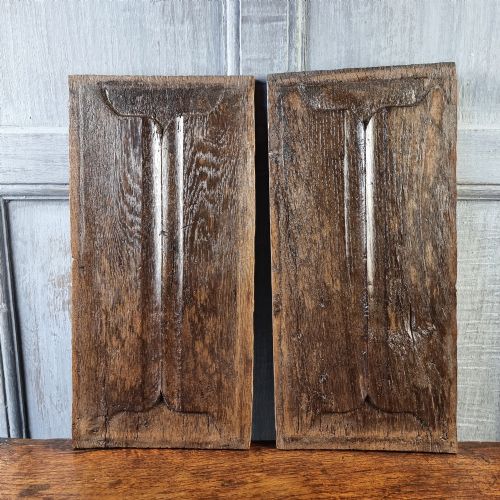
- A style of wood carving that mimics folded linen fabric, commonly seen on sixteenth and seventeenth century panels. This technique creates a distinctive vertical textile pattern across timber surfaces.
- Polychrome
- Decorated in multiple colours, frequently applied to wood, terracotta, or plaster reliefs. This treatment often survives in fragments on older religious or decorative carvings.
- Keystone
- The central stone at the apex of an arch, frequently carved with dates, coats of arms, or masks. These structural elements were often salvaged as standalone plaques.
- Leathermaché
- A moulded composite material made from pulp and leather binders, utilised for lightweight architectural decorations such as putti and friezes. It offered an adaptable alternative to heavy carved wood.
- Vitriolite
- A type of pigmented structural glass popular in the early twentieth century for exterior signs and shopfronts. It provides a glossy, durable surface resistant to weathering.
Architectural Salvage Plaque: Frequently Asked Questions
Where should I hang a heavy cast iron plaque?
Heavy cast iron plaques and royal coats of arms require secure masonry fixings or direct attachment to structural wall studs. Their substantial weight demands professional load-bearing assessment before mounting.
Position them at eye level in reception rooms or hallways where the detail of the metalwork can be appreciated up close.
Can exterior stone plaques go indoors?
Sandstone and York stone plaques integrate seamlessly into interior spaces, bringing historic texture to chimney breasts and feature walls. Ensure the wall can support the considerable weight of stone headstones or keystones.
Interior placement also protects antique stone from modern frost damage and atmospheric pollution.
How do I clean antique carved wood?
Maintain carved wooden panels using a soft bristle brush to remove dust from recesses and intricate undercut details. Avoid liquid cleaners and harsh detergents that can strip historic wax and dry out aged timber.
Occasional application of microcrystalline wax helps preserve exposed grain and historical patination without darkening the wood.
What period do linenfold panels belong to?
Linenfold panels originate primarily from the sixteenth and seventeenth century, reflecting Tudor and Jacobean interior aesthetics. Carpenters carved these panels to adorn domestic walling and ecclesiastical furniture.
Their distinct textile-mimicking pattern remains a hallmark of early oak craftsmanship.
Are street signs and enamel signs original?
Street signs and enamel notices from the early twentieth century served civic and commercial functions before entering the salvage market. Their authenticity shows in mounting holes, weathered edges, and period typography.
Displaying them on interior walls adds industrial character and a layer of social history to modern spaces.