



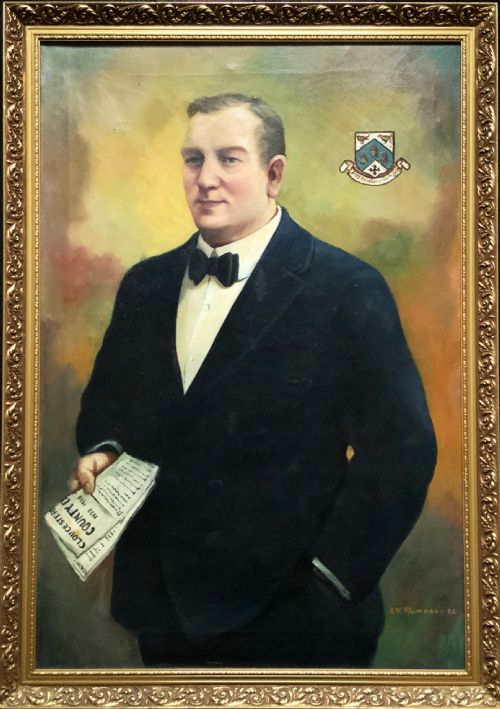


Vintage Heraldic Wall Crest
These vintage heraldic wall crest pieces carry civic pride, railway history and familial identity straight onto your wall.
Vintage Heraldic Wall Crest
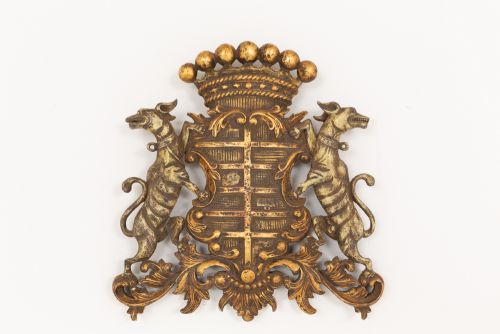
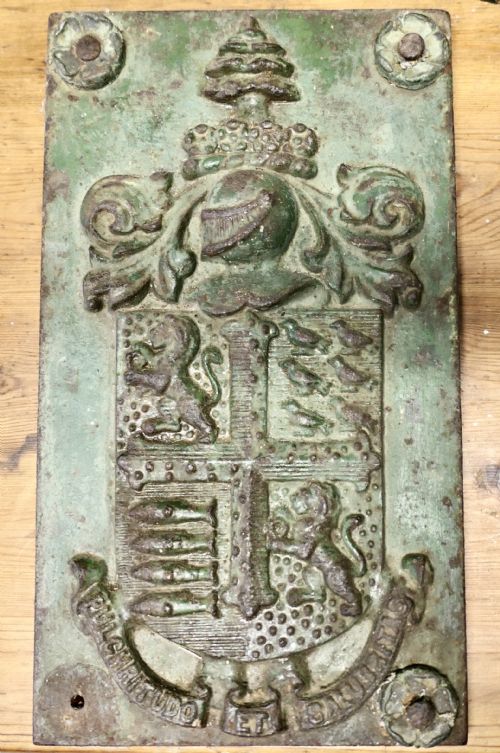
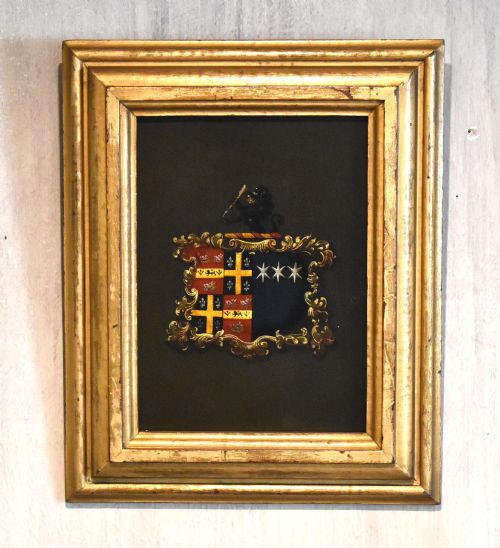
When you search for a vintage heraldic wall crest, you encounter armorial shields, cast iron plaques and painted wooden panels that display coats of arms and civic emblems. These objects range from railway company crests and municipal coats of arms to private family memorials and automobile club cartouches.
The selections on this page draw from the nineteenth century through the early twentieth century, encompassing Georgian panels, Victorian industrial pieces and Edwardian shields. You are most likely to meet solid cast iron plaques and carved hardwood armorial shields from the eighteen hundreds and nineteen hundreds.
Forms vary from framed artwork and wall plaques to decorative plates, painted panels and large overdoor carvings. Each piece reflects the specific heraldic traditions of its origin, whether British railway lines, Spanish headboards or Scottish ministerial offices.
How they were made
Maker workshops utilised durable metals and dense timbers, casting iron and bronze for heavy public plaques while carving mahogany, oak and other hardwoods for interior shields. Cast metal pieces often received applied paint finishes or gold leaf details to highlight the raised relief of the armorial bearings.
Wooden panels and shields combined hand carving with gesso preparation, finished with oil paint or gilding by skilled hands. Brass plates were engraved with detailed mottos and coats of arms, reflecting traditional metalworking and heraldic artistry.
Vintage Heraldic Wall Crest Retail Price Guide 2026
Typical asking prices for vintage heraldic wall crest among the pieces listed under this phrase on Sellingantiques today, from the lower quarter to the upper quarter. They describe what is for sale here now, not the wider market.
Listings span the nineteenth and twentieth centuries, featuring materials from cast iron and bronze to oak, mahogany and gold leaf.
What varies in quality
The standard of a vintage heraldic wall crest depends upon the depth of the casting or the crispness of the wood carving. Fine metalwork displays sharp relief and well-defined lettering, whereas simpler versions show softer edges and hurried finishing.
Hand-painted elements and gilding distinguish superior examples, where careful brushwork and genuine gold leaf maintain their lustre over generations. Material choice also elevates a piece, with heavy cast iron and dense carved hardwoods holding greater presence than lighter compositions.
The Vintage Heraldic Wall Crest Glossary
- Coat of Arms
- A distinct heraldic design usually featuring a shield, helm and crest, displayed by families, institutions or towns to signify identity.
- Armorial Shield
- A shield-shaped plaque or carving bearing a coat of arms, designed to be mounted on a wall.
- Gesso
- A plaster-like mixture applied to wood surfaces as a base for painting or gilding, common in decorative panels.
- Cartouche
- An oval or oblong frame design, often enclosing an emblem or inscription on a plaque or badge.
- Overdoor
- A decorative panel or painting positioned directly above a doorway, frequently incorporating heraldic motifs.
Vintage Heraldic Wall Crest: Frequently Asked Questions
Where were heraldic wall crests displayed?
These crests originally hung in municipal buildings, railway stations, administrative offices and grand private residences to signal authority and lineage.
Today, they suit studies, entrance halls and living spaces where their historical weight creates a strong focal point.
How can I tell the age of a crest?
Age is indicated by the manufacturing technique, such as nineteenth-century sand casting methods or early twentieth-century machine finishing, alongside material wear.
Examining the type of timber, fixings and paint composition helps distinguish Victorian pieces from later twentieth-century examples.
Are railway and civic crests rare?
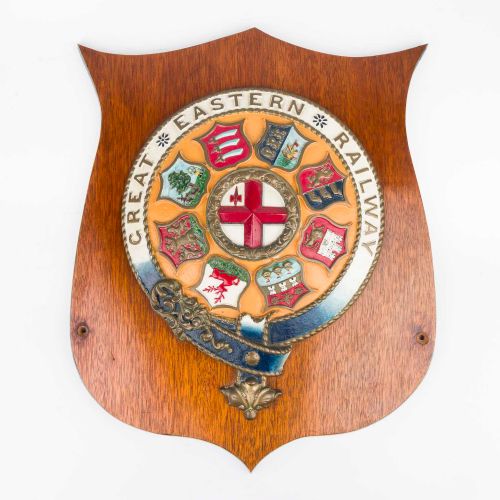
Crests tied to specific entities like the Great Eastern Railway or municipal bodies were produced in limited numbers for stations and offices.
Their survival depends on whether they were salvaged when buildings closed or rolling stock was decommissioned.