


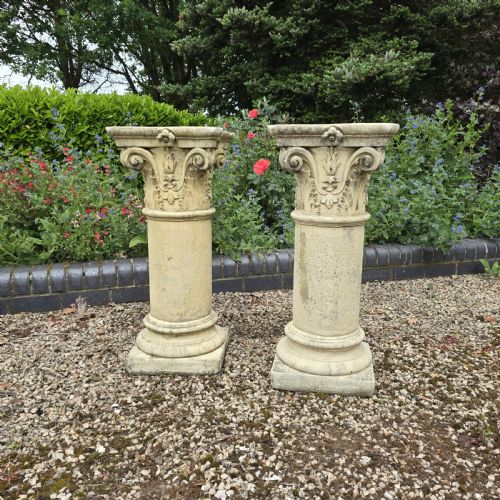


Architectural Garden Urns
Architectural garden urns bring classical presence to outdoor spaces, combining robust materials with enduring sculptural forms.
Architectural Garden Urns
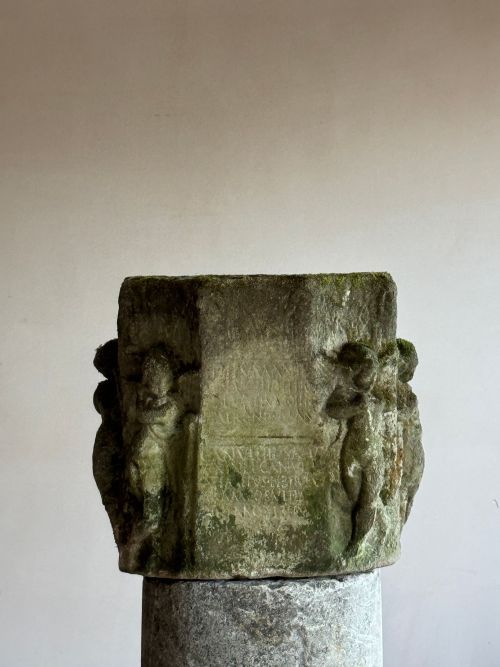
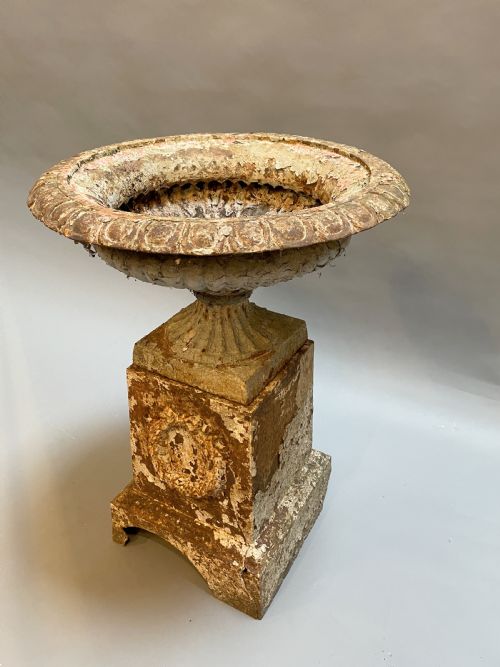
Architectural garden urns encompass sturdy outdoor vessels, planters, pedestals, and finials designed to anchor landscaping schemes. Buyers searching for architectural garden urns encounter pieces ranging from Victorian cast iron urns to Edwardian cast stone altars and 18th century carved stone baskets.
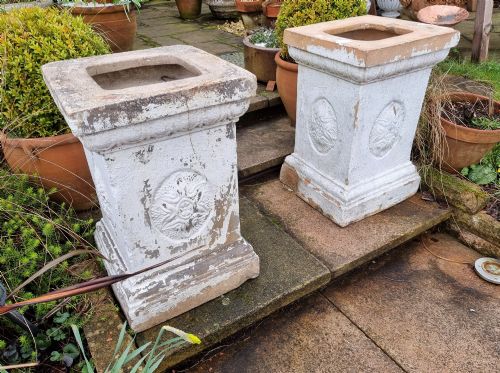
The selection includes matched pairs of pedestals, gothic style garden plinths, and decorative finials made from clay, cast stone, and iron. These items function as focal points in gardens, patios, and courtyards, often elevated on classical columns or stone bases.
Originating predominantly from the 18th and 19th centuries, alongside neoclassical and gothic revival styles, these objects reflect historical garden design traditions. Pieces such as Dunfermline Clay Company pedestals and French cast iron examples demonstrate the functional artistry sought by collectors.
Materials and construction
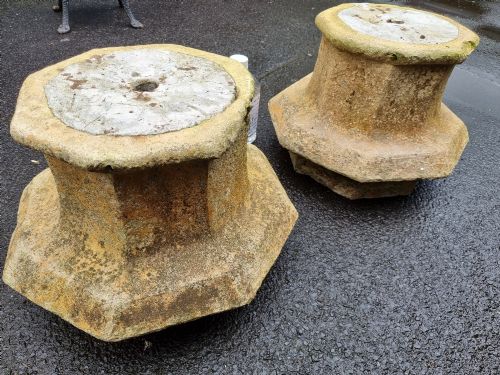
Makers utilised durable outdoor media including cast iron, terracotta, composite stone, and carved limestone to withstand weathering. Cast iron components provide structural strength with intricate decorative relief, while cast and composite stone offer dense, weighty alternatives suitable for substantial garden ornaments.
Clay and stoneware elements, such as buff clay chimney pots and terracotta vessels, relied on traditional moulding and firing techniques. Wrought iron strapwork and copper finishes introduced mixed metal elements to planters and finials, requiring skilled blacksmithing and soldering.
Listings feature 19th-century cast iron, Edwardian cast stone, and 18th-century carved stone baskets.
Assessing craftsmanship and condition
Quality rests in the crispness of the cast or carved detail, particularly in neoclassical foliage, gothic tracery, and fluted columns. Finer examples display sharp definition in relief work, whereas lower quality production yields softened edges and coarse surface textures.
Material integrity dictates longevity, with well-preserved patination on cast iron and stable mineral composition in carved limestone distinguishing superior pieces. Matched pairs with intact original surfaces command greater interest than mismatched or heavily repaired assemblies.
Dunfermline Clay Company
The Architectural Garden Urns Glossary
- Terracotta
- Fired unglazed clay possessing a porous body and warm reddish-brown hue. It is widely utilised for traditional garden planters and architectural ornaments.
- Finial
- A distinct decorative ornament terminating the peak of a structure, pedestal, or garden feature. These elements add vertical emphasis and architectural closure.
- Composite stone
- A manufactured material combining crushed stone aggregates with binders to replicate natural carved stone. It provides consistent structural performance in outdoor settings.
- Plinth
- A heavy base or block upon which a column, urn, or statue is elevated. Plinths create a sense of monumentality and protect garden ornaments from ground moisture.
Architectural Garden Urns: Frequently Asked Questions
How do I place cast iron urns?
Cast iron urns require stable, level foundations such as stone patios or dedicated pedestals to support their substantial weight.
Position them along primary garden vistas or flanking entrances where their weathered metal patinas contrast effectively with foliage.
Are stone planters frost resistant?
Most historic stone, cast stone, and terracotta compositions endure seasonal temperature shifts, though extreme frost can affect porous earthenware.
Ensure adequate drainage holes remain clear so expanding ice does not fracture the vessel walls during winter months.
Can antique finials remain outdoors?
Durable media like cast iron, copper, and carved limestone tolerate exterior exposure while developing natural surface oxidation over time.
Protecting vulnerable joints and monitoring metal components prevents structural weakening from prolonged moisture accumulation.
How are pedestal heights measured?
Height measurements encompass the total vertical dimension from the base resting on the ground to the top platform surface.
Checking these proportions ensures the pedestal properly elevates the chosen urn or finial to achieve correct visual balance.