


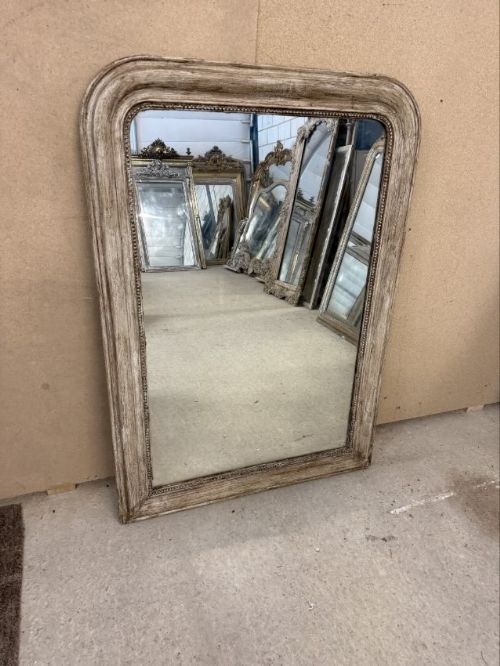

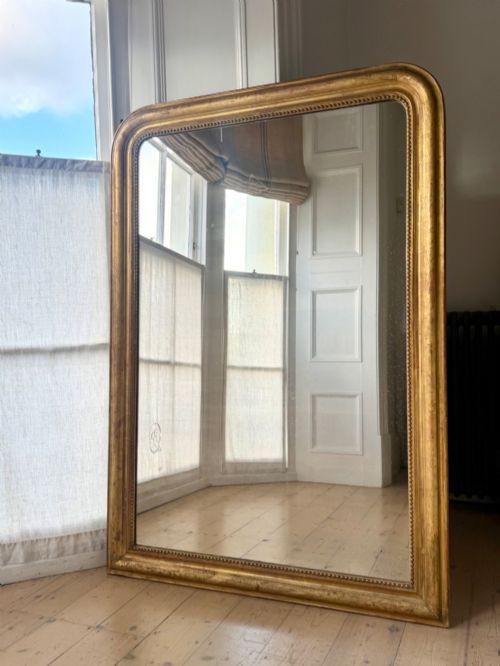
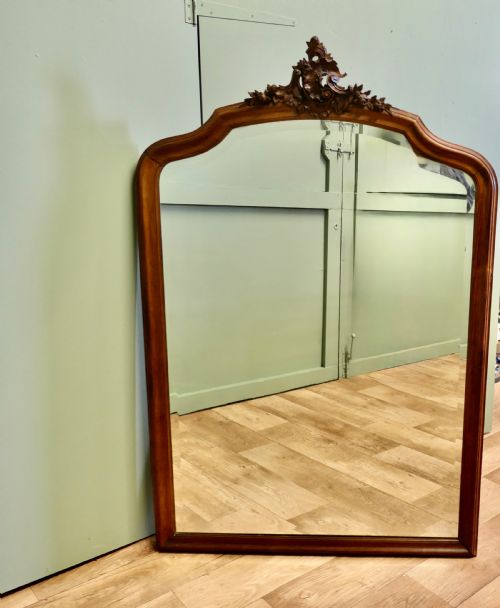
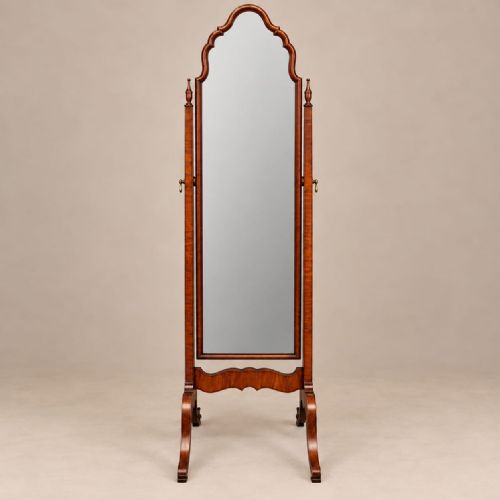
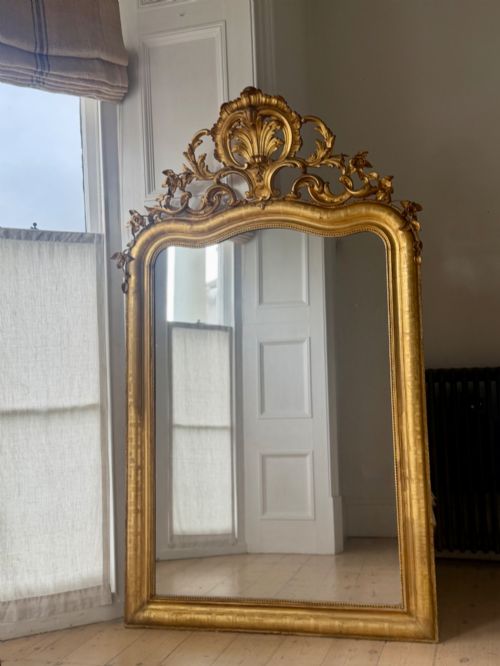
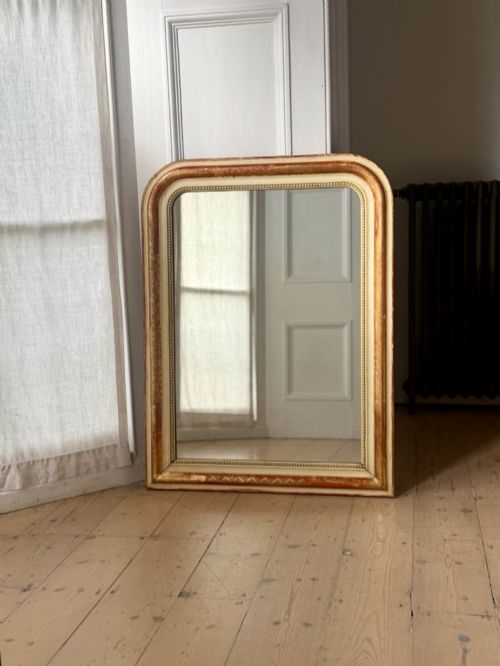
Arched Wood Mirror
An arched wood mirror brings architectural weight to a room, offering a softened top line that draws the eye upward.
Arched Wood Mirror
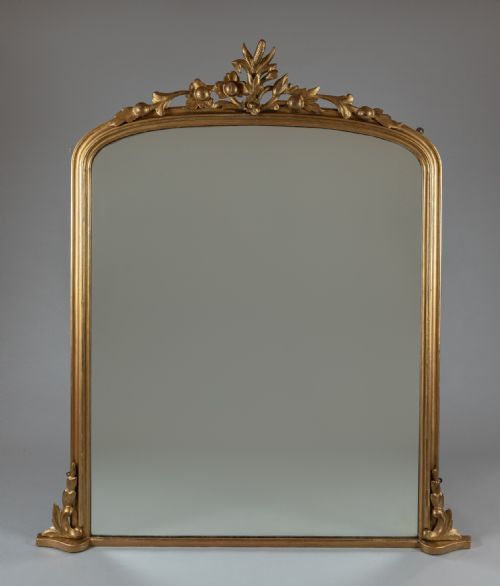
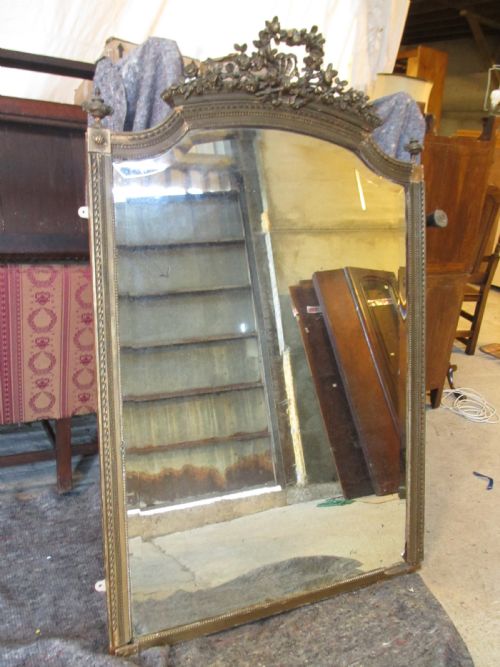
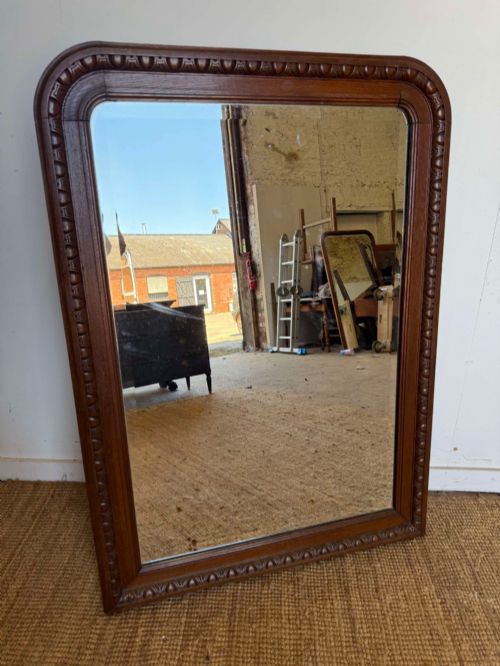
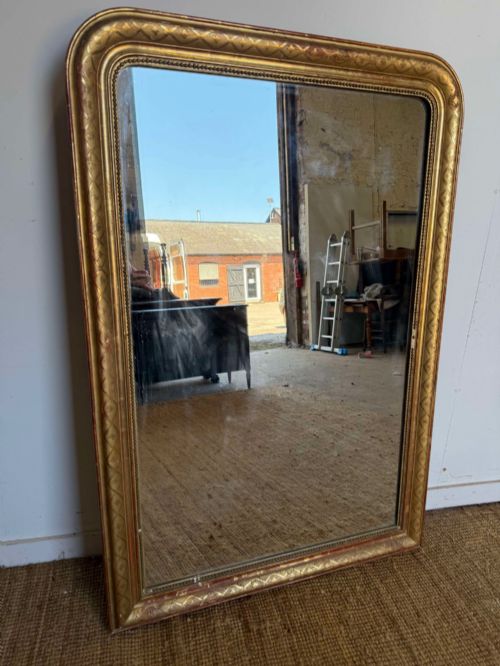
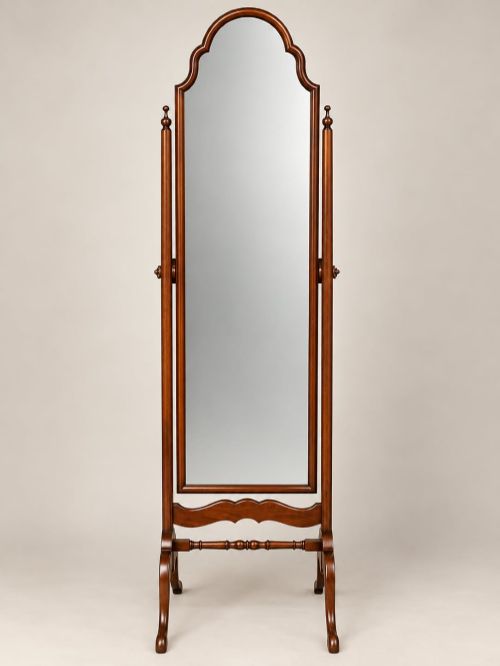
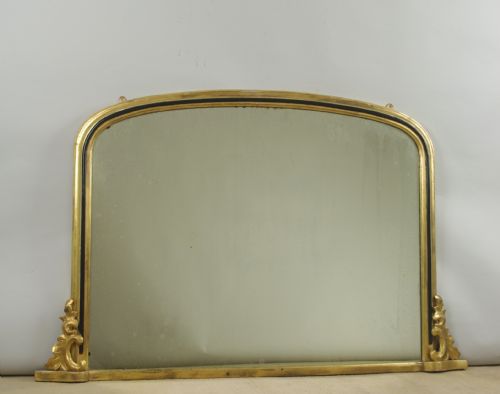
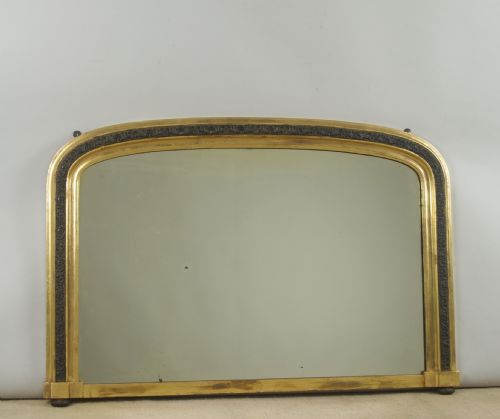
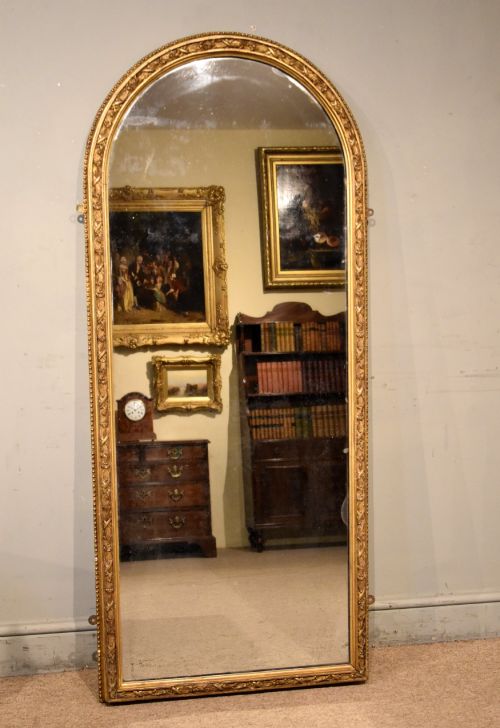
An arched wood mirror spans several centuries of domestic interior decoration, appearing in forms ranging from monumental overmantels to smaller dressing table glasses. When you search for an arched wood mirror, you meet heavy giltwood English overmantels alongside French Louis Philippe frames and walnut or oak wall pieces. These items served both practical daily use and the architectural goal of reflecting light deep into nineteenth-century drawing rooms.
The overmantel variety dominates the selection, built specifically to sit upon the mantelpiece and fill the vertical space beneath the chimney breast. Alongside these large architectural items, smaller dressing table mirrors, triptychs, and pier mirrors emerge from Victorian and early twentieth-century workshops. The wooden carcasses take various forms, from simple carved oak boards to elaborate gesso-faced frames shaped with rope twist or tulip motifs.
How they were made
Makers constructed the primary frames using native and imported timbers such as oak, walnut, mahogany, and satin birch, often joining the arched crown from separate sections of wood. Carvers then applied layers of gesso to the wooden substrate, allowing them to mould crisp decorative details like ribbons, leaves, and architectural scrolls before gilding the surface with gold leaf or paint.
Glass production relied on traditional techniques, incorporating mercury glass in earlier French examples or thicker bevelled plates in later Victorian and twentieth-century pieces. The silvering or mercury backing was applied by hand to the rear of the glass plate, leaving subtle variations and historical foxing that distinguish period mirrors from modern replacements.
Arched Wood Mirror Retail Price Guide 2026
Typical asking prices for arched wood mirror among the pieces listed under this phrase on Sellingantiques today, from the lower quarter to the upper quarter. They describe what is for sale here now, not the wider market.
Listings feature arched wood mirrors spanning from the eighteenth century through the Victorian era and into the early twentieth century, utilising oak, walnut, and giltwood.
What varies in quality
The depth and crispness of the hand-carved wood and gesso ornamentation separate standard production from exceptional examples. Superior pieces retain their original gilding and deep relief mouldings without heavy re-gilding or modern paint obscuring the historical surface.
The integrity of the mirror glass itself dictates much of the value, with original mercury plates or heavy bevelled glass offering greater visual depth. Furthermore, the structural stability of the heavy wooden frames and original backboards indicates whether an item survived its domestic environment intact.
Heal & Sons
The Arched Wood Mirror Glossary
- Overmantel mirror
- A large horizontal or arched mirror designed to hang or stand directly above a fireplace mantelpiece. These pieces often feature wide frames meant to command the main wall of a principal reception room.
- Gesso
- A plaster-like mixture applied to wood frames and carved into intricate decorative relief before gilding. It provides the smooth, uniform surface necessary for fine metallic leaf application.
- Louis Philippe
- A French nineteenth-century style characterised by restrained classical proportions, softened upper corners, and subtle decorative mouldings. Mirrors from this tradition rely on clean wooden framing rather than heavy ornamentation.
- Pier mirror
- A tall, narrow mirror designed to hang on the wall space between two windows. They were frequently paired with console tables to maximise reflected natural light.
- Mercury glass
- An early type of mirror glass backed with a mixture of tin and mercury rather than modern silver nitrate. It produces a distinctive mottled reflection with dark spots known as foxing.
Arched Wood Mirror: Frequently Asked Questions
What is mercury glass?
Mercury glass is an early mirror plate backed with a metallic amalgam rather than modern silver, creating a warm, deep reflection. This traditional backing develops natural foxing and dark spots over the decades.
These age marks confirm the period authenticity of nineteenth-century French and English wall mirrors.
How do I clean an antique giltwood frame?
Dust giltwood and gesso frames gently with a soft dry brush, avoiding all moisture, commercial cleaning sprays, and abrasive cloths. Water and chemical solvents strip the fragile gold leaf and historical gesso.
Preserve the original dry surface by maintaining a stable room temperature away from direct sunlight and dampness.
How do I tell a Victorian mirror from an earlier piece?
Victorian arched wood mirrors often feature machine-sawn timbers, heavier machine-bevelled glass, and robust gesso mouldings reflecting industrial production methods. Earlier Georgian and Regency examples display hand-cut joinery and finer, deeper hand-carved details.
Examine the backboards, nail types, and construction joints to confirm the period of manufacture.