
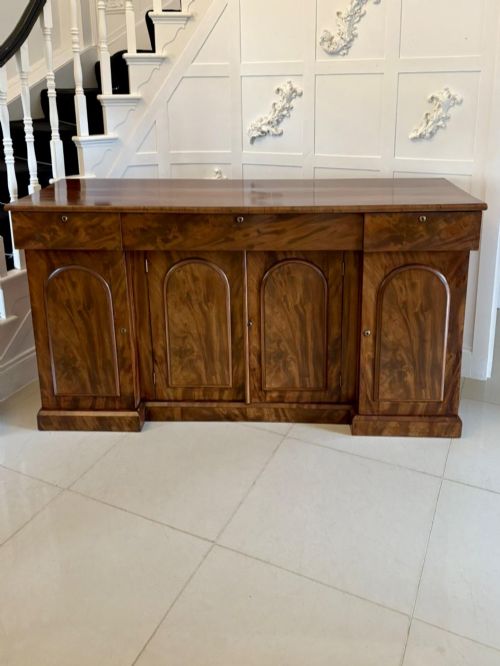
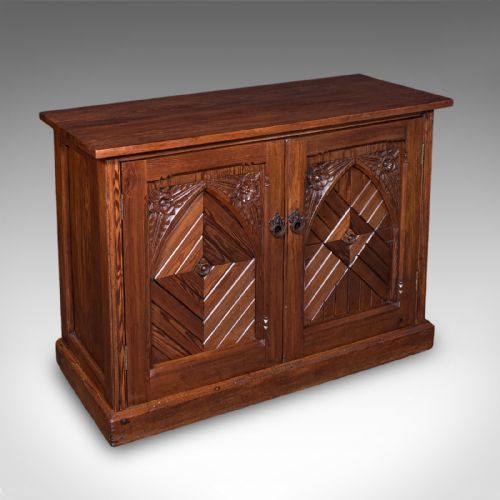
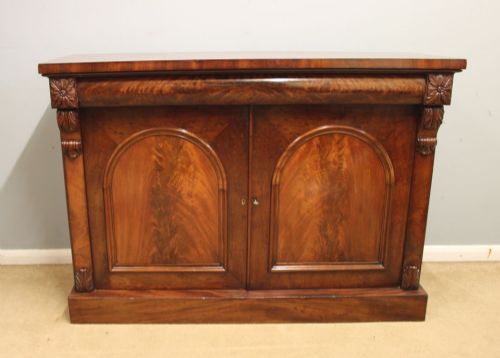
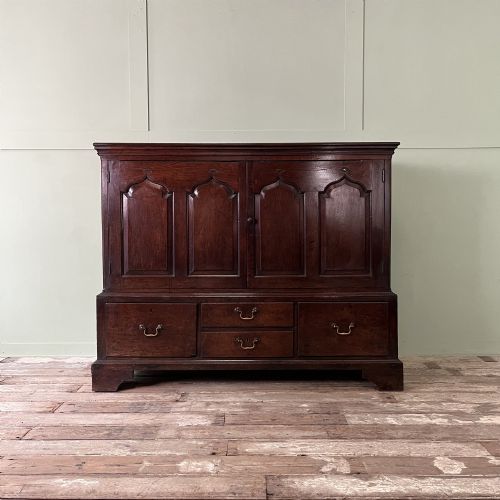
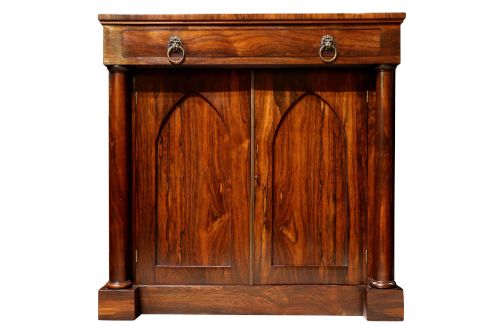


Arched Panel Sideboard
An arched panel sideboard brings substantial storage and distinct architectural framing to a room through traditional timber construction.
Arched Panel Sideboard
An arched panel sideboard encompasses robust timber storage furniture built across the eighteenth and nineteenth centuries, including related forms such as chiffoniers, linen presses, and side cabinets. These pieces serve practical dining room and hallway functions while displaying architectural door panels.
The selections available here range from Georgian oak and Regency rosewood to Victorian figured mahogany. Buyers frequently encounter nineteenth-century mahogany chiffoniers and Victorian sideboards alongside earlier French provincial oak examples.
Makers utilised distinct regional designs, spanning from British Regency and Victorian workshops to French provincial cabinetry. Each piece relies on solid timber and veneer construction tailored for domestic storage.
How they were made
Cabinetmakers constructed these pieces primarily from solid hardwoods like oak and mahogany, often applying figured mahogany veneer to primary surfaces for visual depth. Secondary woods provided structural stability inside cupboards and drawers.
Makers incorporated brass hardware, such as handles and escutcheons, alongside iron components for internal mechanisms. Door construction frequently featured recessed panels with curved or arched profiles to create shadow and relief.
Listings span from 1750 through the Victorian era, featuring oak, mahogany, rosewood, and brass.
What varies in quality
Quality rests upon the selection of timber figures, such as flame mahogany veneer or well-grained oak, which defines the visual impact of the front elevation. Superior examples display balanced grain matching across doors and drawer fronts.
Construction precision distinguishes finer pieces, particularly in the joinery of the arched panels and the fit of the doors within their frames. Original brass mounts and integrated hardware further separate standard utility pieces from finer cabinet work.
The Arched Panel Sideboard Glossary
- Chiffonier
- A low sideboard or cabinet featuring enclosed shelving beneath, popular during the Regency and Victorian periods. These pieces often incorporate panelled doors and raised upper backs.
- Veneer
- A thin slice of figured wood, such as flame mahogany, applied over a stable secondary timber base. This technique allows cabinetmakers to display decorative grain patterns across wide surfaces.
- Linen Press
- A tall storage cupboard historically used for storing textiles and garments, typically fitted with internal sliding trays or shelves. Earlier examples often feature solid oak construction with panelled doors.
- Pedestal Cabinet
- A standalone cabinet or cupboard designed to stand alone or flank larger furniture arrangements. These pieces utilise heavy timber carcases and secure internal storage.
Arched Panel Sideboard: Frequently Asked Questions
What is an arched panel sideboard?
An arched panel sideboard is a storage cabinet featuring distinctive curved or arched wooden panels set into the doors. These pieces date across the eighteenth and nineteenth centuries.
They provide enclosed shelving for dining rooms, hallways, and living spaces while showcasing traditional woodworking techniques.
How do I date a sideboard?
Dating relies on identifying the primary timber, construction methods, and stylistic details. Georgian and eighteenth-century pieces often use solid oak with heavy framing.
Regency and Victorian examples frequently employ mahogany, rosewood, and decorative veneers alongside specific architectural hardware.
Where were these cabinets used?
These cabinets served primarily in dining rooms, living areas, and hallways for storing tableware, linens, and provisions. French provincial examples often functioned as low buffets in domestic kitchens.
Their robust timber construction allowed them to handle heavy daily domestic storage requirements.
What woods were commonly used?
Cabinetmakers relied heavily on mahogany, oak, and rosewood for primary surfaces. Flame mahogany veneer provided decorative figure on nineteenth-century pieces.
Secondary timbers supported internal frames, while brass and iron supplied structural hardware and locks.