




Arched Mahogany Cheval Mirror
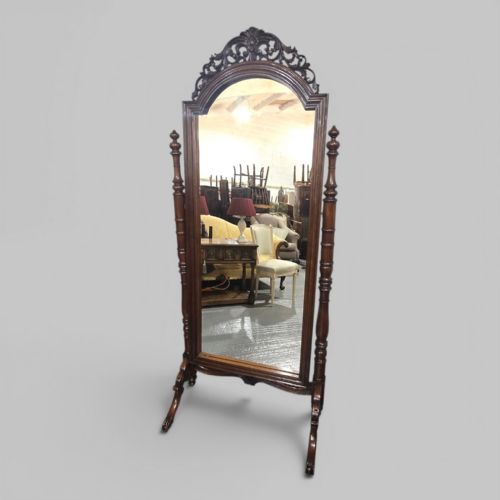
An arched mahogany cheval mirror brings height and warmth to a room while offering a full-length reflection.
Arched Mahogany Cheval Mirror
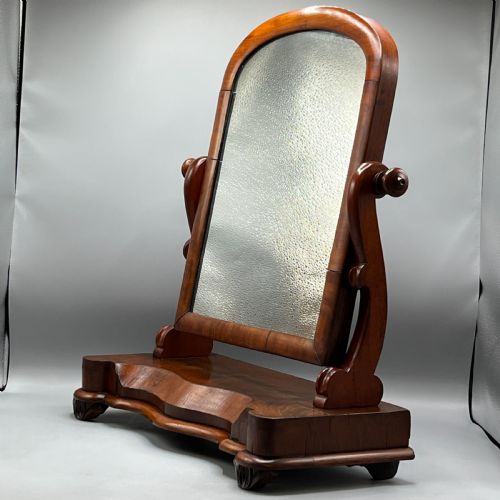
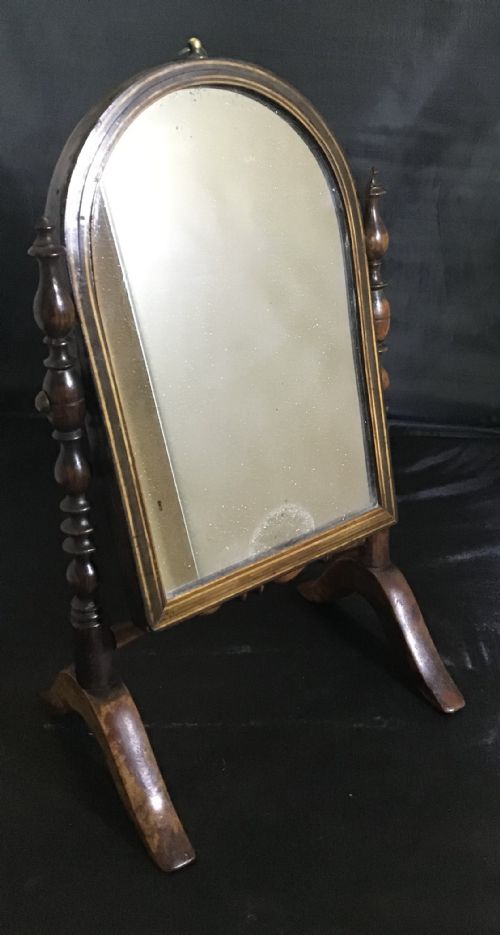
When you search for an arched mahogany cheval mirror, you are looking at tall floor-standing dressing mirrors that pivot within a freestanding frame. The pieces seen here span the 19th Century, Victorian period, Regency era, and 1920, alongside related dressing table mirrors and swing mirrors. Most examples take the form of floor-standing cheval mirrors or larger dressing mirrors.
The dominant wood across the selection is mahogany, sometimes enhanced by flame mahogany, walnut, wood inlay, or brass and gilt metal details. Styles range from Victorian Gothic Revival and Neoclassical to Grand Regency, French Chateau, and Queen Anne. The form provides a practical focal point that reflects light and anchors a traditional interior scheme.
How they were made
Makers utilised solid mahogany and veneers such as flame mahogany, sometimes pairing the timber with walnut or incorporating wood inlay. Structural stability depended on sturdy side posts and a secure frame to support the weight of the pivoting glass plate.
Metal components played a structural and decorative role, featuring brass and gilt metal for pivot mechanisms, candle holders, or ornamental mounts. Glass plates were fitted into arched frames designed to swing smoothly within their upright stands.
Listings feature mahogany, walnut, brass, and glass across 19th Century, Victorian, Regency, and 1920 periods.
What varies in quality
Quality shows in the selection of timber, particularly where figured flame mahogany or careful wood inlay displays depth and grain movement. The richness of the polished surface and the crispness of any carved or applied details separate standard production from finer work.
Hardware also marks the distinction between grades, as solid brass fittings, articulated candle holders, and substantial pivoting mechanisms indicate a higher standard of manufacture. The architectural balance of the arched top and the proportion of the frame dictate the visual presence of the piece.
The Arched Mahogany Cheval Mirror Glossary
- Cheval mirror
- A tall dressing glass suspended on pivots within a freestanding frame, designed to stand on the floor. The name derives from the French word for horse, referencing the four-legged support trestle.
- Flame mahogany
- A veneer figure characterised by a distinctive flame-like pattern created by slicing through boughs or fork joints in the timber. It was frequently utilised on prominent surfaces to catch the light.
- Swing mirror
- A tabletop or dressing table glass mounted on vertical posts that allow it to tilt back and forth. These pieces often sit atop a box base fitted with small drawers.
- Gilt metal
- A metallic material coated with a thin layer of gold leaf or gilt paint for decorative effect. It appears on mounts and hardware to provide contrast against dark timber.
Arched Mahogany Cheval Mirror: Frequently Asked Questions
How do I place a cheval mirror in a room?
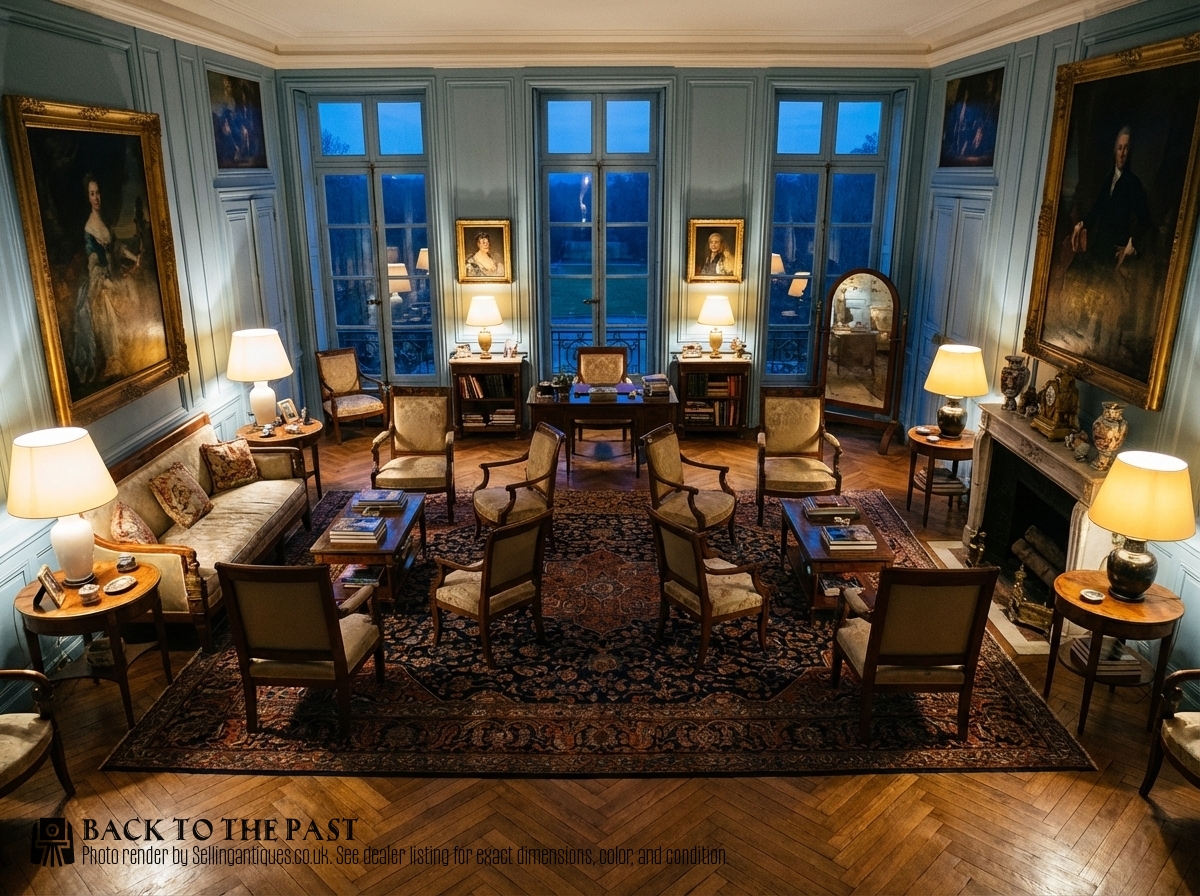
Position the mirror against a solid wall or near a window where it can capture and reflect natural light. Ensure there is enough clear floor space in front of the frame to step back for a full-length view.
Keep the piece away from direct heat sources and strong sunlight to protect the mahogany finish and prevent timber movement over time.
How do the pivoting mechanisms work?
The glass frame hangs between two vertical posts on metal screw pins or pivot bolts that allow the plate to tilt to the desired angle. Washers and tension nuts inside the joint hold the mirror steady at the chosen position.
Over decades, these fittings may loosen or tighten, requiring careful adjustment of the hardware to ensure smooth movement without straining the wood.
What is the difference between a cheval mirror and a dressing table mirror?
A cheval mirror is a tall, floor-standing piece designed to show the viewer from head to toe. It rests on its own substantial legs or frame base.
A dressing table mirror is much smaller and intended to sit on top of a piece of furniture, usually featuring a box base with small compartments or drawers.
How should I clean a mahogany frame?
Dust the timber regularly with a soft, dry cloth to prevent dirt accumulation in the grain and carved details. Avoid modern silicone sprays or heavy polishes that leave a film and attract dust.
Apply a traditional beeswax sparingly when the wood appears dry, buffing it gently with a clean cloth to maintain a natural lustre.