




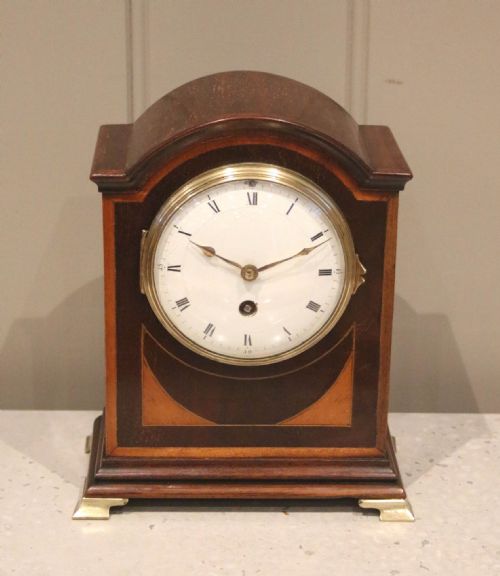


Arch Top Desk Clock
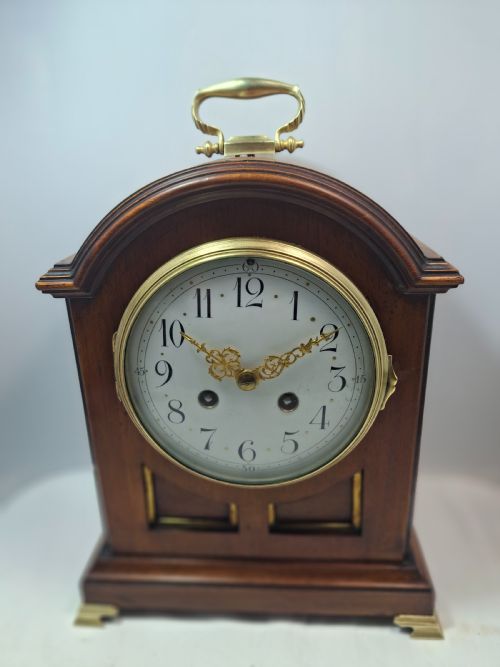
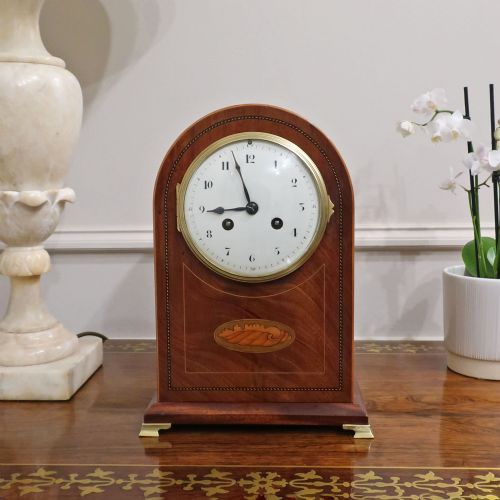
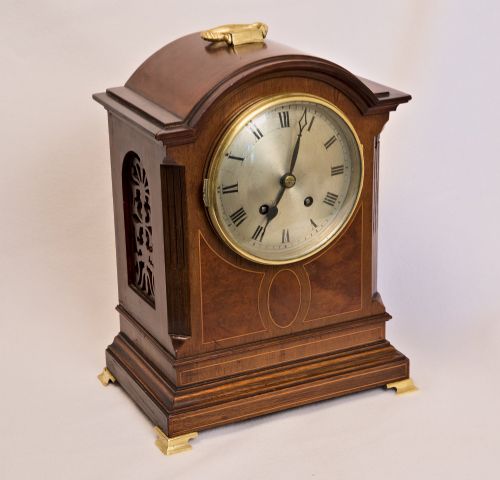
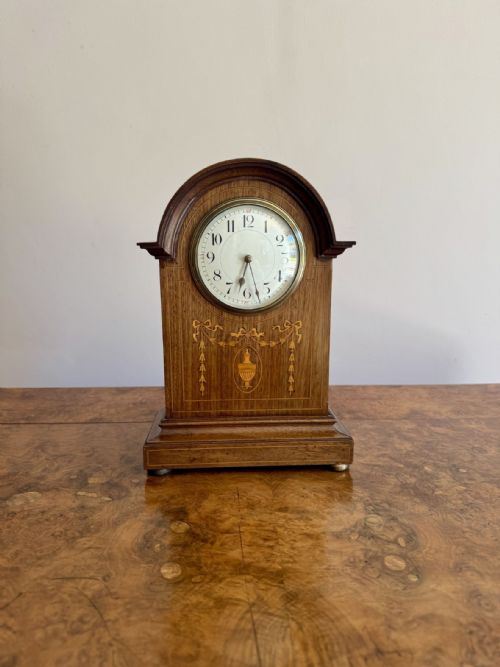
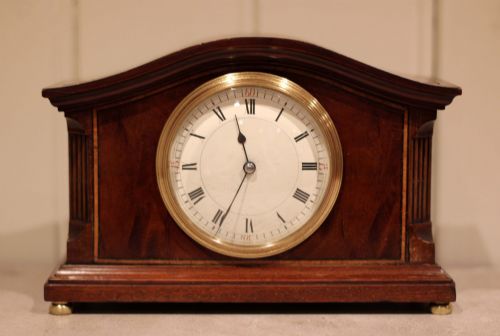
An arch top desk clock is a sturdy timepiece housed in a curved wooden case, prized for its classic silhouette and traditional desk presence.
Arch Top Desk Clock
When you search for an arch top desk clock, you encounter a selection of mantel clocks, bracket clocks, and timepieces designed for desks, tables, and shelves. These items appear across several periods, including the Regency era, the Victorian period, and the early twentieth century.
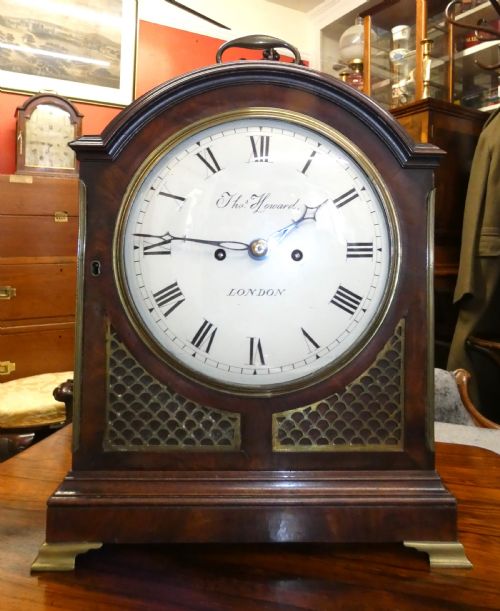
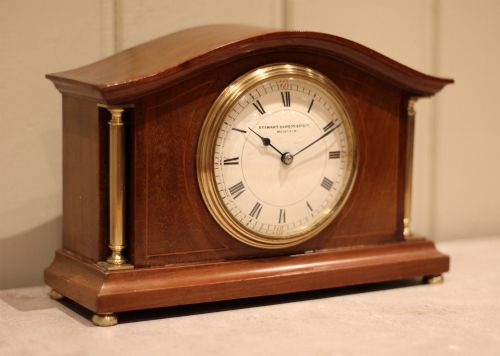
The version you are most likely to meet on this page is a mahogany mantel clock from the Edwardian period or the nineteenth century. These objects typically feature wooden cases with characteristic arched tops, sometimes enhanced with inlay or brass details.
How they were made
The construction of these pieces relies primarily on timber, with mahogany and rosewood forming the structural and aesthetic core of the cases. Satinwood and brass are frequently utilised for inlay work, dial surrounds, and decorative accents.
Glazed bezels protect the enamel dials, while interior movements drive the timekeeping function. Woodworkers shaped the distinct arched silhouettes using traditional joinery and polishing techniques suited to each period.
Arch Top Desk Clock Retail Price Guide 2026
Typical asking prices for arch top desk clock among the pieces listed under this phrase on Sellingantiques today, from the lower quarter to the upper quarter. They describe what is for sale here now, not the wider market.
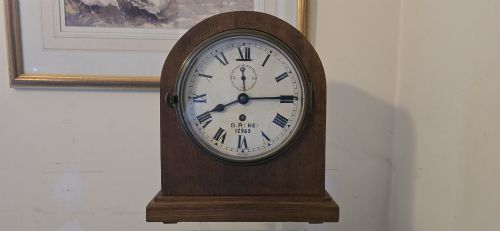
A British Rail office clock stands ready to keep you on schedule, bearing the legacy of York headquarters from the nineteen-fifties.
What varies in quality
The level of craftsmanship is immediately visible in the selection of timbers and the precision of the woodwork. Finer examples display carefully matched grain patterns and crisp, delicate satinwood or brass inlay rather than simple painted decoration.
The sophistication of the internal movement and the quality of the enamel dial also divide standard pieces from superior examples. Heavier, more substantial brass components and refined bracket clock mechanisms indicate higher standards of production.
Thomas Howard London·S Simpson Southampton·Wilkinson Leicester·W and H
The Arch Top Desk Clock Glossary
- Bracket clock
- A portable timekeeper originally designed to sit on a wall bracket or table. These spring-driven clocks often feature substantial wooden cases and brass carrying handles.
- Fusee
- A conical pulley used in mechanical clocks to maintain an even pull on the gear train as the mainspring unwinds. This mechanism improves the accuracy of the timepiece.
- Inlay
- A decorative technique where contrasting woods or metals are inserted into recessed portions of the primary case. Satinwood and brass are common materials for this ornamentation.
- Lancet top
- An architectural case shape featuring a pointed, gothic arch at the top. This profile appears frequently in nineteenth-century timepiece designs.
- Timepiece
- A clock that tells the time without striking the hours or playing musical tunes. Many domestic mantel clocks of the Edwardian era fall into this functional category.
Arch Top Desk Clock: Frequently Asked Questions
Where should I place an arch top desk clock?
These clocks suit flat surfaces such as office desks, side tables, and mantelpieces where their curved silhouettes remain visible. Ensure the location is stable and away from excessive moisture or direct heat.
Positioning the clock at eye level on a sturdy piece of furniture allows you to appreciate the wood grain and dial details properly.
How do I wind a mechanical desk clock?
Mechanical timepieces require a key to tension the internal mainspring through winding holes on the dial face. Turn the key gently until you feel resistance, taking care not to overwind the mechanism.
Regular, consistent winding keeps the movement running reliably and maintains accurate timekeeping across the week.
What is the difference between a bracket clock and a mantel clock?
Bracket clocks historically originated as portable timepieces with handles, often placed upon wall brackets before moving to tables and desks. Mantel clocks emerged later as larger decorative items designed specifically for fireplace surrounds.
Both forms appear frequently in mahogany and rosewood across the nineteenth and early twentieth centuries.
How do I identify a Regency period clock?
Regency pieces often display darker tropical timbers like rosewood alongside precise brass inlay work and robust proportions. The architectural details reflect early nineteenth-century design tastes.
Comparing the case construction and decorative motifs against known Victorian and Edwardian examples helps clarify the dating.