



Aquamarine Gemstone Necklace
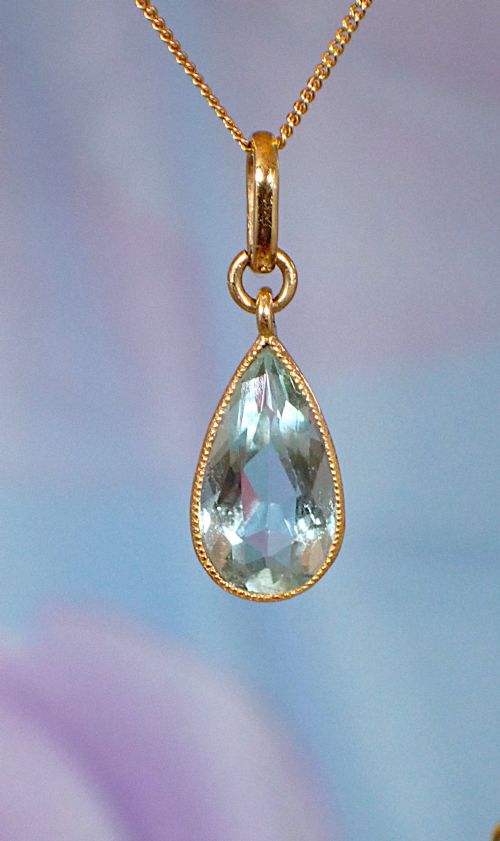
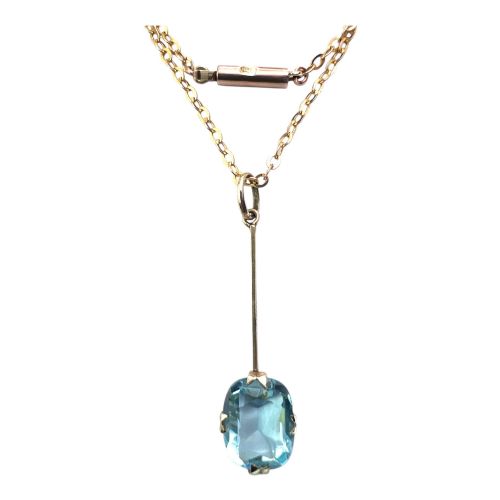
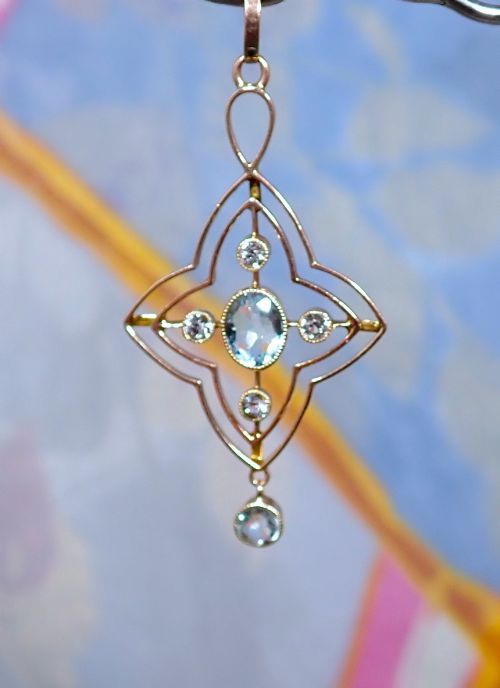
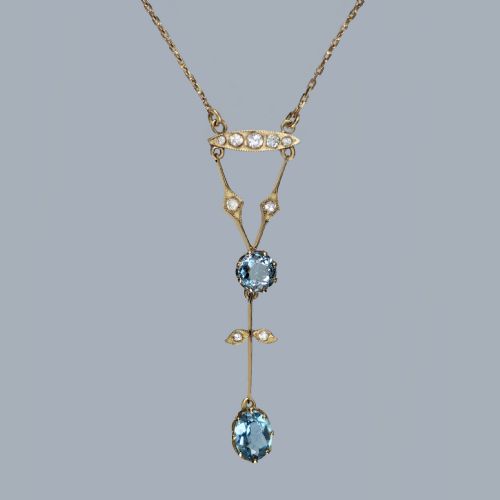
An aquamarine gemstone necklace brings cool blue depths to the throat, combining icy beryl with period golds and platinum.
Aquamarine Gemstone Necklace
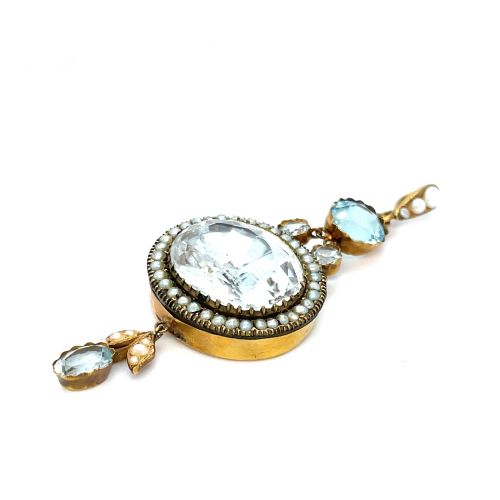
An aquamarine gemstone necklace spans multiple eras, with Edwardian and Art Deco designs dominating the selections. A buyer searching this phrase encounters delicate drop pendants and statement cluster necklaces featuring pale blue beryl.
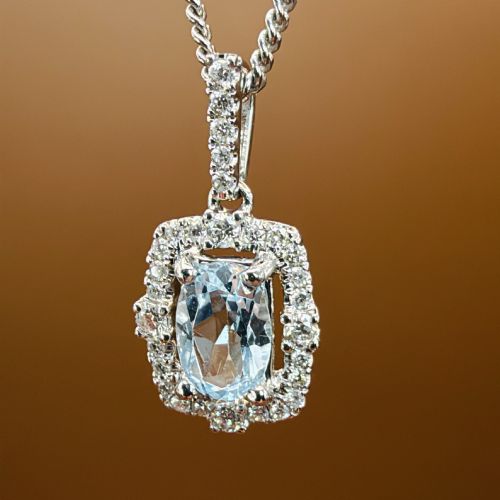
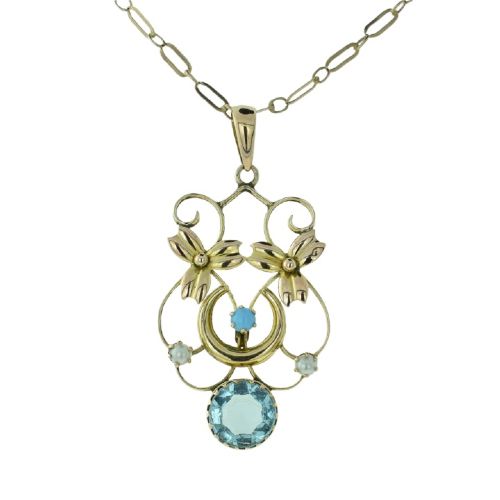
The pieces range from simple nine-carat gold mountings set with seed pearls to substantial platinum designs carrying large emerald-cut stones flanked by diamonds. Edwardian examples often pair the central gem with pearls or sapphires in openwork frames.
Mid-century and later pieces lean towards heavier yellow gold settings holding oversized aquamarines accompanied by rubies or diamonds. Most items combine the necklace chain with a detachable or fixed pendant configuration.
What varies in quality
Quality rests upon the saturation and clarity of the central aquamarine, alongside the fineness of the metalwork. Stones possessing a deep, uniform blue without cloudiness command greater appreciation than pale or included specimens.
The integrity of the original setting, the delicacy of millegrain detailing, and the harmonious integration of accent diamonds or pearls separate ordinary examples from exceptional creations.
Materials recorded on this page include aquamarine, diamond, platinum, nine-carat gold, fifteen-carat gold, seed pearl, tourmaline, and turquoise.
C'est Laudier
The Aquamarine Gemstone Necklace Glossary
- Aquamarine
- A pale blue to greenish-blue variety of beryl, taking its name from sea water. It is the primary gemstone defining these necklaces.
- Millegrain
- A decorative technique involving a line of tiny metal beads along the edge of a setting. This method was widely utilised during the Edwardian and Art Deco periods.
- Lavalier
- A pendant style featuring a main stone suspended below a smaller drop, popular during the Edwardian and Art Nouveau eras.
- Cluster pendant
- A central gemstone surrounded by a border of smaller accent stones, typically diamonds or pearls. This arrangement maximises sparkle and visual impact.
Aquamarine Gemstone Necklace: Frequently Asked Questions
How do I date my aquamarine necklace?
Dating relies upon metal purity marks, stone cuts, and stylistic clues such as millegrain work or geometric platinum mounts. Edwardian pieces often feature intricate nine-carat or fifteen-carat yellow gold wirework, while Art Deco designs favour platinum and symmetrical geometric lines.
Later mid-century items display heavier yellow gold settings and larger emerald-cut beryl stones. Examining the clasp and chain construction also helps determine the manufacturing era.
Are aquamarine necklaces fragile?
Aquamarine is a durable gemstone measuring seven point five to eight on the Mohs hardness scale, making it suitable for regular wear. However, antique settings involving seed pearls or delicate nine-carat gold claws require gentle handling to prevent damage.
Store the necklace separately in a lined box to avoid scratching softer metals and stones. Regular gentle cleaning with warm soapy water maintains the clarity of the beryl.
What is the difference between Edwardian and Art Deco styles?
Edwardian necklaces showcase light, airy platinum or yellow gold designs featuring garlands, ribbons, and natural motifs paired with seed pearls and sapphires. The aesthetic is romantic, intricate, and lace-like in appearance.
Art Deco pieces shift towards bold geometry, symmetrical lines, and heavy use of platinum paired with diamonds and large aquamarines. The focus moves from organic floral curves to crisp architectural shapes.
How should I clean an antique aquamarine pendant?
Cleaning requires warm water, mild washing-up liquid, and a soft-bristled brush to remove accumulated oils from the reverse of the stone. Avoid harsh chemical dips or ultrasonic cleaners, especially if the piece contains pearls or foil-backed stones.
Dry the necklace thoroughly with a soft lint-free cloth before wearing or storing it. Professional inspection of the settings every few years ensures the claws remain secure.