



Apprentice Wooden Box
An apprentice wooden box embodies scaled-down mastery, offering tangible proof of a cabinet-maker's skill through compact chests and miniature furniture.
Apprentice Wooden Box
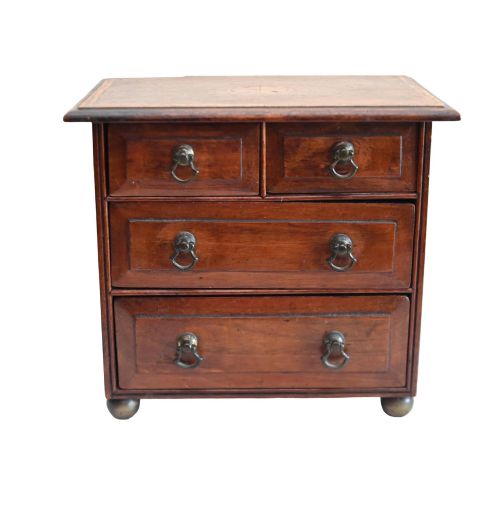
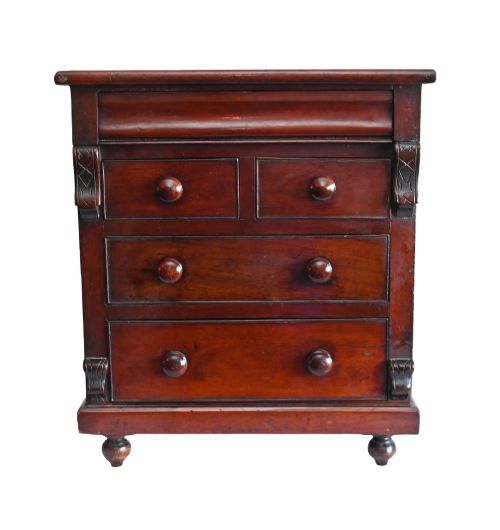
When you search for an apprentice wooden box, you encounter small-scale furnishings created as training exercises, salesmen's samples, or desktop receptacles. These objects mirror full-sized household furniture in exact miniature proportion.
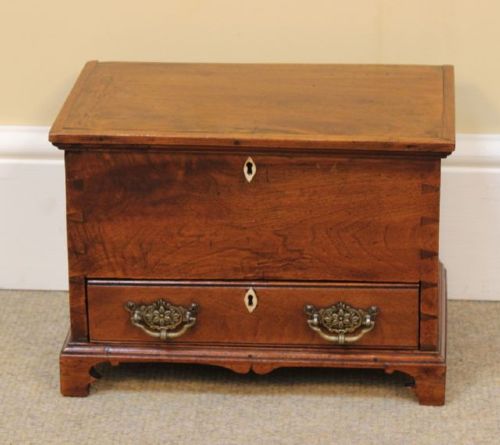
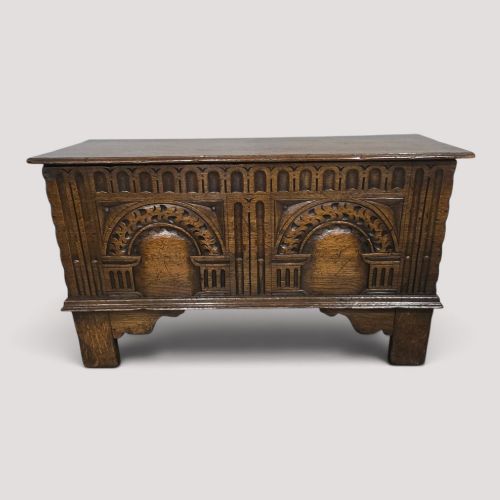
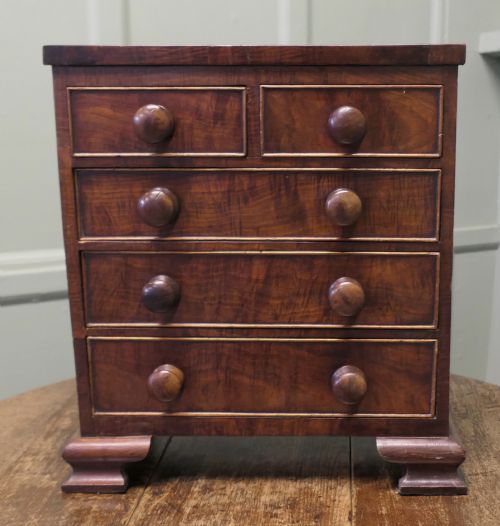
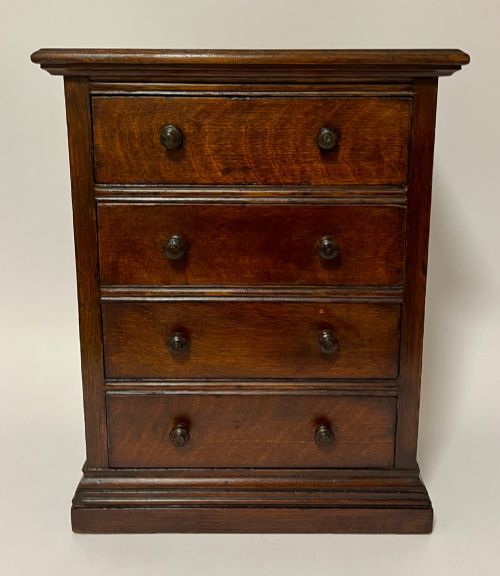
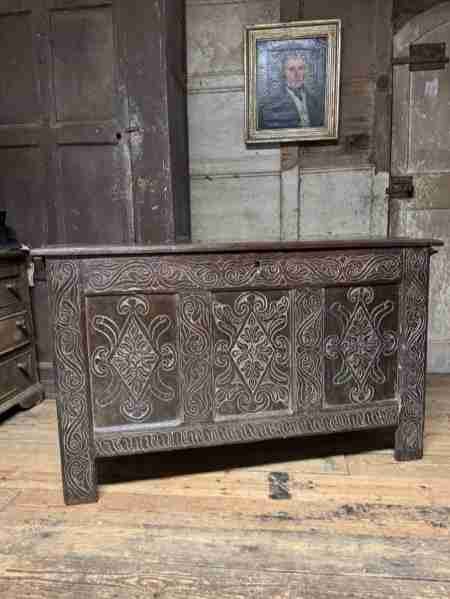
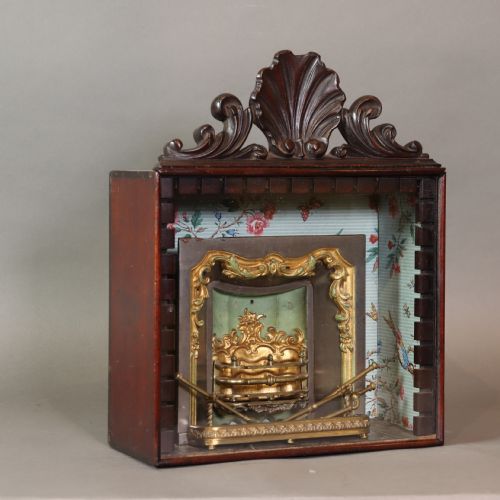
The pieces on this page are most commonly miniature chests of drawers, coffers, and mule chests spanning the Georgian, Victorian, and Edwardian eras. Alongside these drawer units, you find tea caddies, miniature sideboards, and tabletop cabinets.
Originating from British workshops and international variations like Anglo-Indian designs, these items demonstrate domestic utility condensed into portable formats. They function historically as desktop storage or personal keepsakes.
Materials and construction methods
Cabinet-makers constructed these miniature items using timbers typical of full-scale period furniture, predominantly mahogany, oak, and walnut, sometimes enhanced with burr oak or amboyna veneers. Secondary structural elements incorporate pine, while decorative accents utilise brass, bone, iron, and mother of pearl inlay.
Joinery techniques mirrored standard workshop practices, employing dovetail joints for drawer construction and precise mortise and tenon frames for coffers and chests. Woodworkers shaped surfaces with hand planes, applied turning to small feet or knobs, and achieved smooth finishes through polishing timber patination.
The listings show pieces spanning from the 17th century through to the Edwardian period, constructed in mahogany, oak, walnut, and elm.
Distinguishing quality in small-scale cabinetry
Quality rests upon the fidelity of the miniature scale and the precision of the joinery, separating hurried novelties from serious exercises in craftsmanship. Flush drawer fits, tight corner joints, and well-proportioned mouldings indicate superior workshop origins.
Material selection and surface condition elevate certain pieces, particularly those displaying rich timber figures, burr grains, or subtle inlay work. The depth of the natural patina and the retention of original brass or iron hardware dictate the overall integrity of the piece.
Thomas Dennis
The Apprentice Wooden Box Glossary
- Mule chest
- A traditional storage chest featuring one or more drawers beneath the main lift-top compartment. Miniature examples scale this dual-access furniture down to desktop dimensions.
- Coffer
- A heavy wooden chest traditionally used for storing valuables, constructed with solid planking or panelled sides. Miniature versions replicate this heavy construction in small formats.
- Patina
- The surface sheen and mellowing of colour acquired by wood over decades of handling and ageing. Natural patination indicates untreated historical surfaces.
- Tea caddy
- A small container designed to store loose tea leaves, occasionally fashioned in the miniature form of a sideboard or chest of drawers. These items reflect fine cabinet-making in miniature.
- Dovetail joint
- An interlocking wood-joint characterised by trapezoidal pins and tails, providing high tensile strength. It is standard in quality drawer construction.
Apprentice Wooden Box: Frequently Asked Questions
What is an apprentice wooden box?
An apprentice wooden box is a miniature furniture piece created by a woodworker to demonstrate mastery of joinery techniques. These items include scaled-down chests of drawers, coffers, and mule chests.
Cabinet-makers produced them as test pieces before admission to a trade guild, or utilised them as portable salesmen's samples to demonstrate furniture styles to prospective buyers.
How were these miniature chests used?
Historically, owners utilised these small chests on tabletops or desks to store documents, jewellery, sewing accessories, or personal valuables. Their internal compartments and secret drawers offered secure storage for precious items.
Over time, their decorative appeal and portable nature shifted their primary role from utility storage to collected cabinet displays.
How do I date an apprentice box?
Dating relies on identifying the prevailing furniture styles, secondary woods, and construction methods characteristic of specific periods like the Georgian, Victorian, or Edwardian eras. Mahogany and oak usage, hand-cut dovetails, and hardware types provide chronological markers.
Comparing the miniature's proportions and decorative motifs to full-scale furniture of the same decade helps establish an accurate period timeframe.
Are all miniature boxes apprentice pieces?
Not every small box served as an apprentice training piece, as many were produced commercially as jewellery chests, desktop cabinets, or salesmen's samples. The term apprentice piece is traditional for many high-quality miniature chests regardless of their exact origin.
Distinguishing between training pieces and commercial miniatures depends on evidence of workshop handiwork, bespoke joinery details, and period materials.