
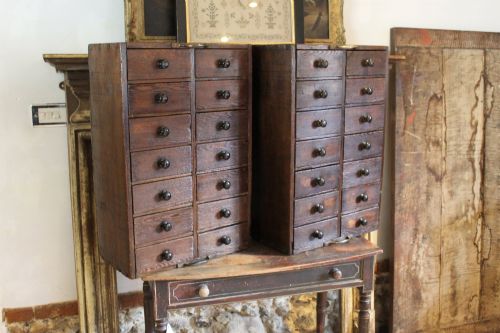


Apothecary Bank of Drawers
When you search for an apothecary bank of drawers, you are looking at multi-drawer storage built for chemists, shops and institutions, prized for compartmentalised sorting.
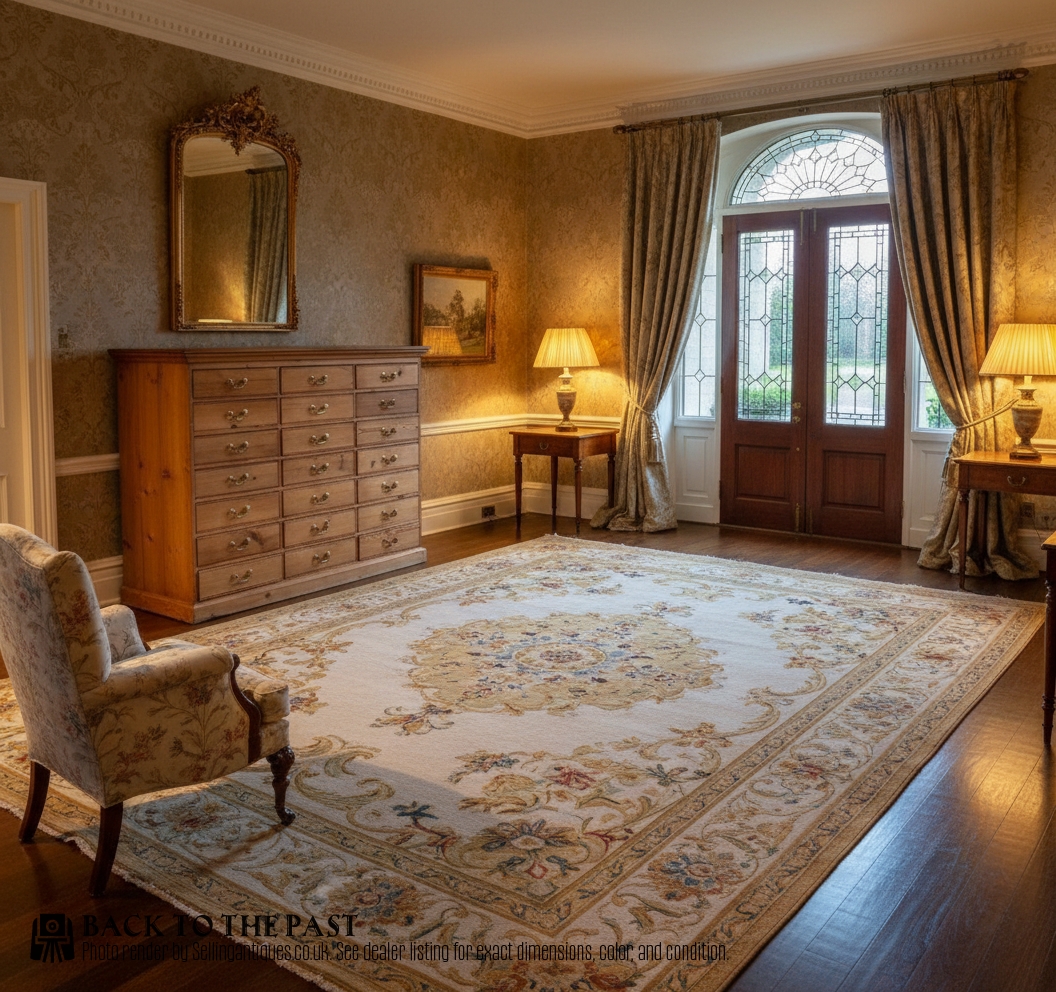
Apothecary Bank of Drawers
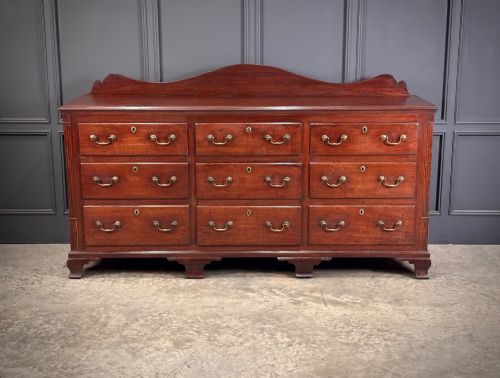
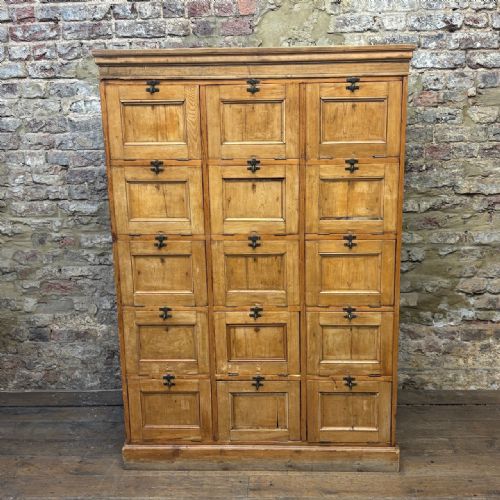
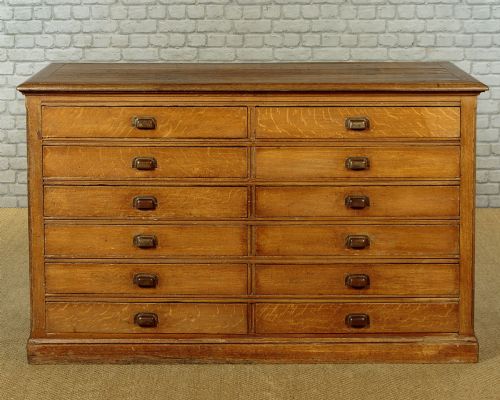
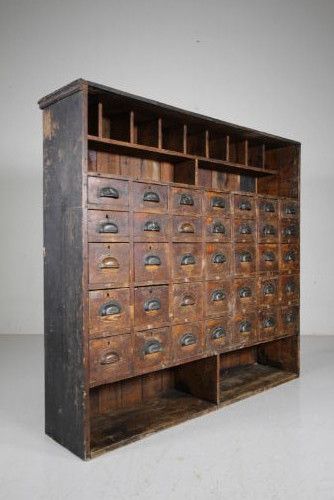
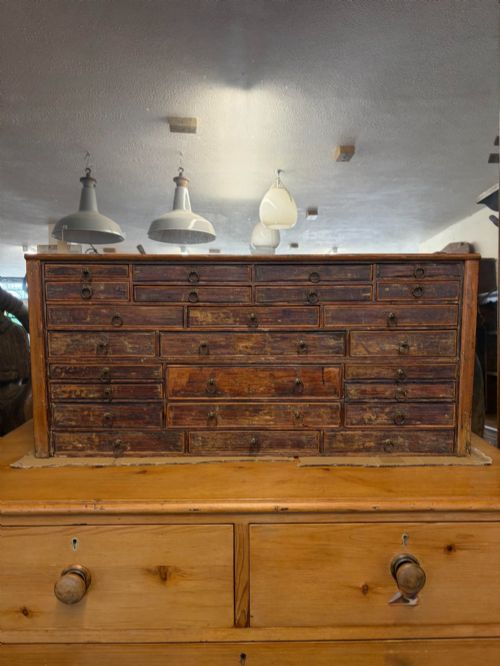
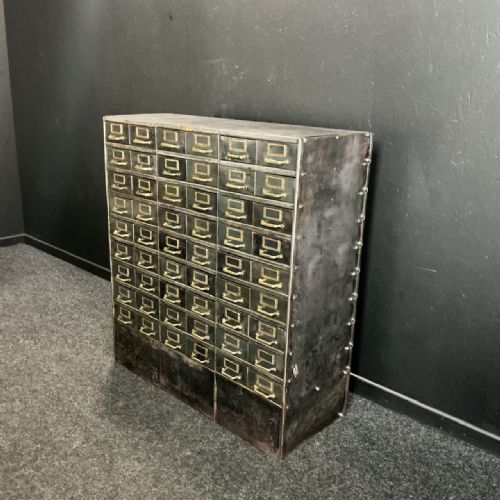
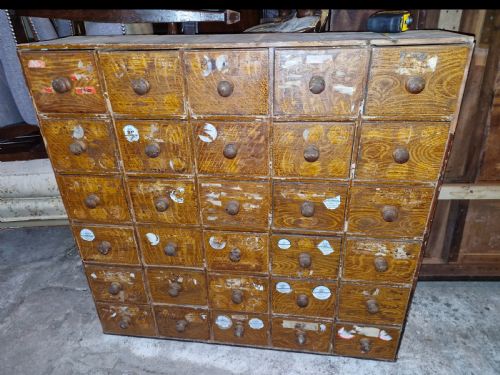
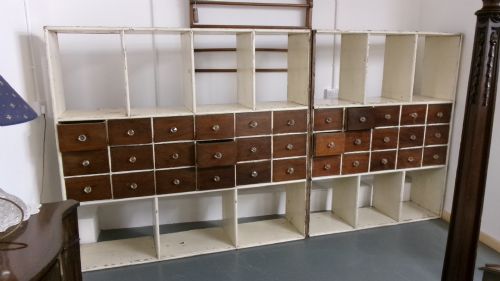
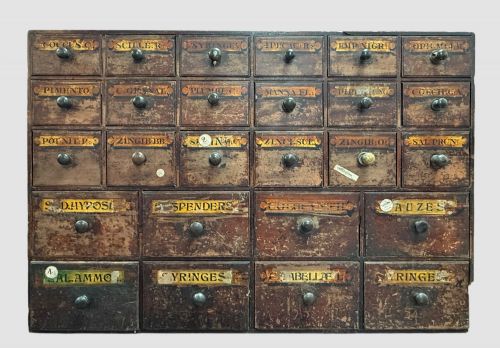
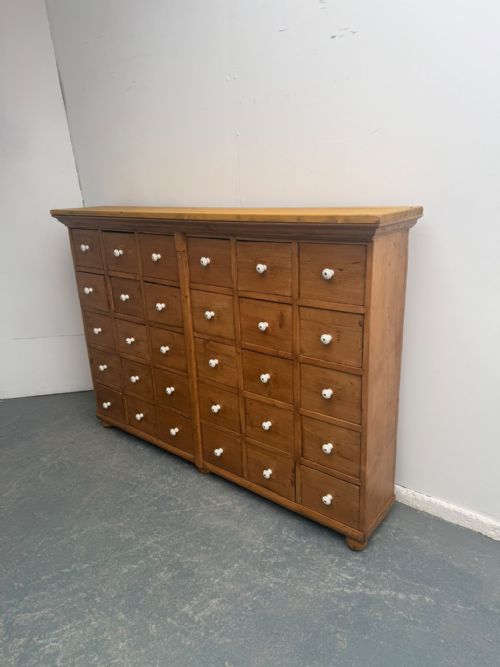
An apothecary bank of drawers is a multi-drawer storage unit originally utilised in chemists, shops, and institutions for sorting medicines, goods, or small items. The examples found here span from the 18th century through the Victorian period, Edwardian era, and into 1920s industrial forms. Most pieces encountered on this page are pine or mahogany banks of drawers, often originating from shop fittings or chemist interiors.
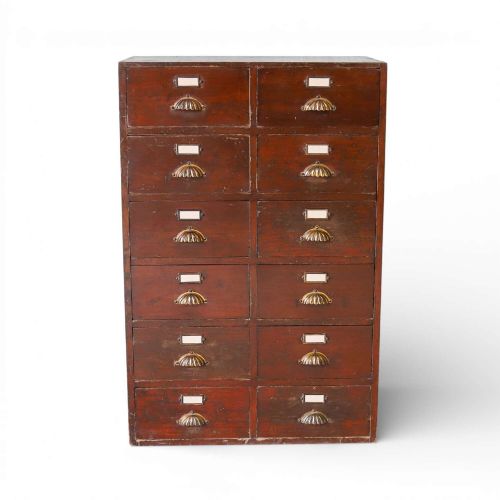
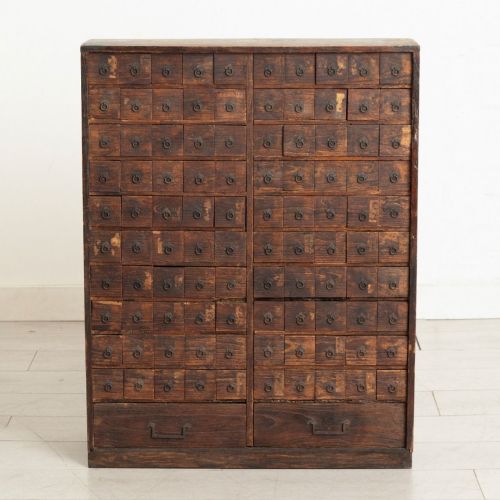
The forms range from large thirty-drawer or fifty-drawer shop fittings to smaller twelve-drawer or fifteen-drawer chests and watchmakers cabinets. Alongside British examples, variants include French drapers cabinets, Hungarian painted shop counters, and Japanese apothecary storage units. Collectors also encounter related filing cabinets, haberdashery cabinets, and ironmongers drawers serving similar compartmentalised functions.
How They Were Made
Construction relies heavily on timber framing, predominantly using pine, mahogany, walnut, oak, and fruitwood. Carcases are built for durability to support numerous small drawers, frequently enhanced with brass shell pulls, brass label holders, and iron hardware.
Many pieces retain their original painted surfaces, showing cream, white, light green, or black and gold finishes, while others display polished mahogany or waxed pine. Structural elements incorporate glass panels, iron details, and pegged joinery suited to heavy commercial use.
Some tiny drawers still hold faint scents of dried herbs and Victorian remedies.
What Varies in Quality
The distinction between tiers rests on the integrity of the original hardware and surface finish, such as intact brass shell pulls and untouched painted or polished coats. Scale and drawer count also influence standing, with substantial multi-drawer shop fittings commanding greater presence than smaller domestic storage units.
Origin and timber selection further separate examples, with dense mahogany or walnut carcases and documented shop provenances representing the upper tier of manufacture.
D Napier And Sons
The Apothecary Bank of Drawers Glossary
- Bank of drawers
- A multi-drawer storage unit containing numerous small compartments arranged vertically or horizontally. These units were designed for commercial, apothecary, or workshop sorting.
- Shop fitting
- Fixtures and furniture built specifically for commercial retail interiors such as chemist shops and drapers. These pieces often feature extensive runs of drawers.
- Shell pull
- A semi-circular metal handle shaped like a seashell, frequently combined with a label holder. They are commonly found on apothecary and filing drawers.
- Haberdashery cabinet
- A glass-fronted or multi-drawer cabinet originally utilised in drapery and clothing shops. They share the compartmentalised multi-drawer format common to apothecary storage.
- Chemists drawers
- Pharmacy storage cabinetry built to hold herbs, powders, and medicines in labeled compartments. These represent a primary source for apothecary drawer banks.
Apothecary Bank of Drawers: Frequently Asked Questions
What is an apothecary bank of drawers?
An apothecary bank of drawers is a multi-compartment storage unit originally built for chemists and pharmacies to sort medicines and ingredients. They provide numerous small drawers housed within a single wooden carcase.
Over time, these functional shop units transitioned into domestic and decorative settings for organising collections and small items.
How were they used originally?
Chemists and shopkeepers used these drawer banks to organise dry goods, powders, herbs, and bottled remedies behind the counter. The numerous small drawers allowed quick access to a vast inventory of ingredients.
Later adaptations saw similar multi-drawer formats utilised in drapers shops, watchmakers workshops, and offices for filing and sorting.
Where do these pieces come from?
The listings include pieces originating from British, French, Hungarian, and Japanese workshops and commercial interiors. Many started life as regional shop fittings and chemist counter bases.
Materials and construction styles often reflect their geographic origin, from painted Hungarian pine to British mahogany and walnut.
How do I live with one?
Apothecary drawers suit hallways, kitchens, and living spaces where their compartmentalised storage accommodates modern household items. Their substantial wooden carcases provide a strong focal point in a room.
Placing them against a wall allows the numerous small drawers to be used daily for sorting letters, keys, and accessories.