

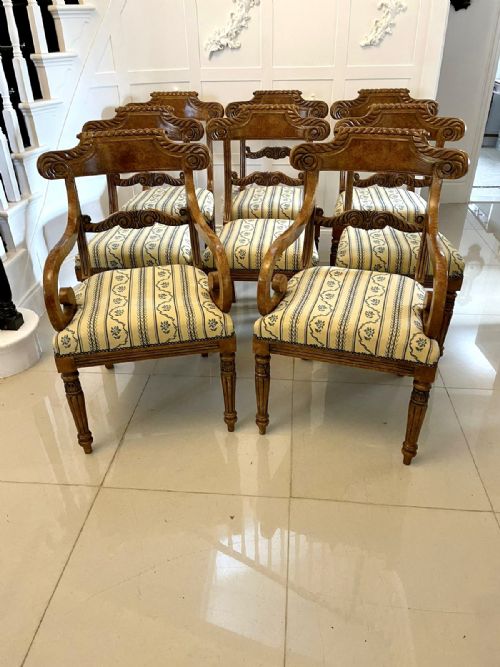

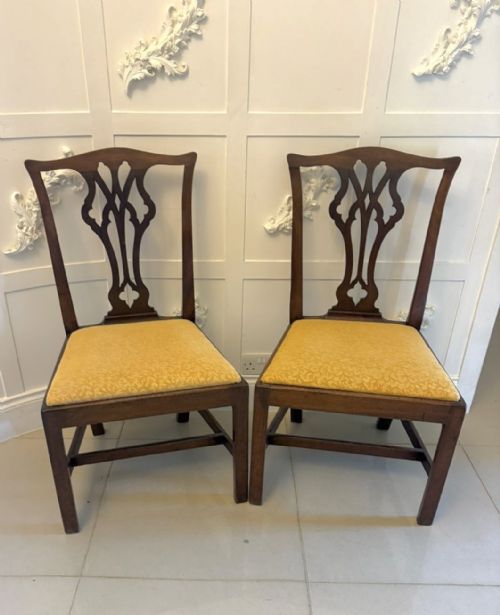
Antique Yellow Seat Chairs
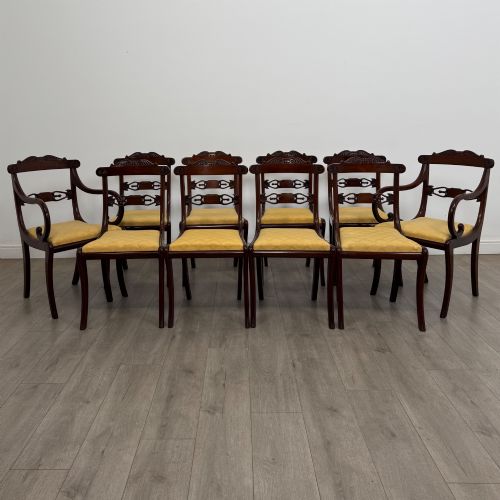
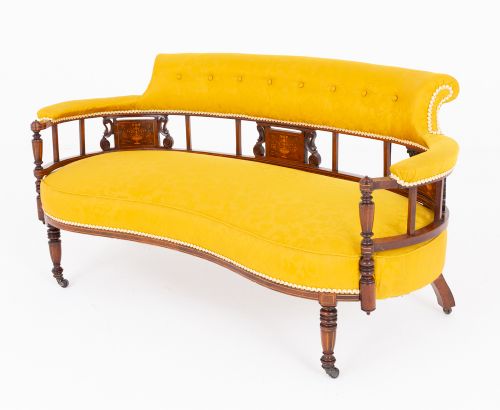
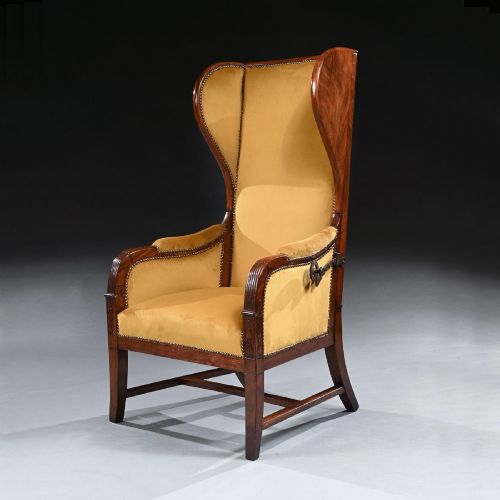
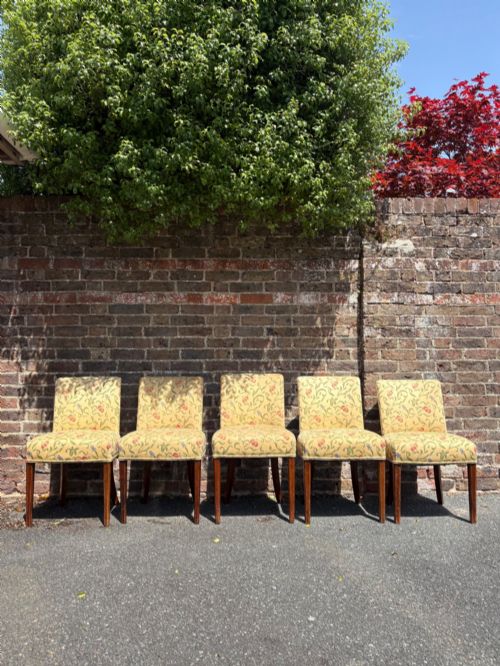
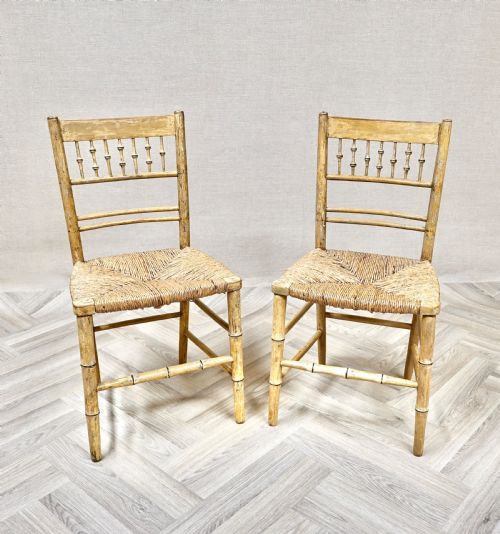
These antique yellow seat chairs comprise dining chairs, armchairs, and settees upholstered in various shades of yellow, offering period charm and practical seating.
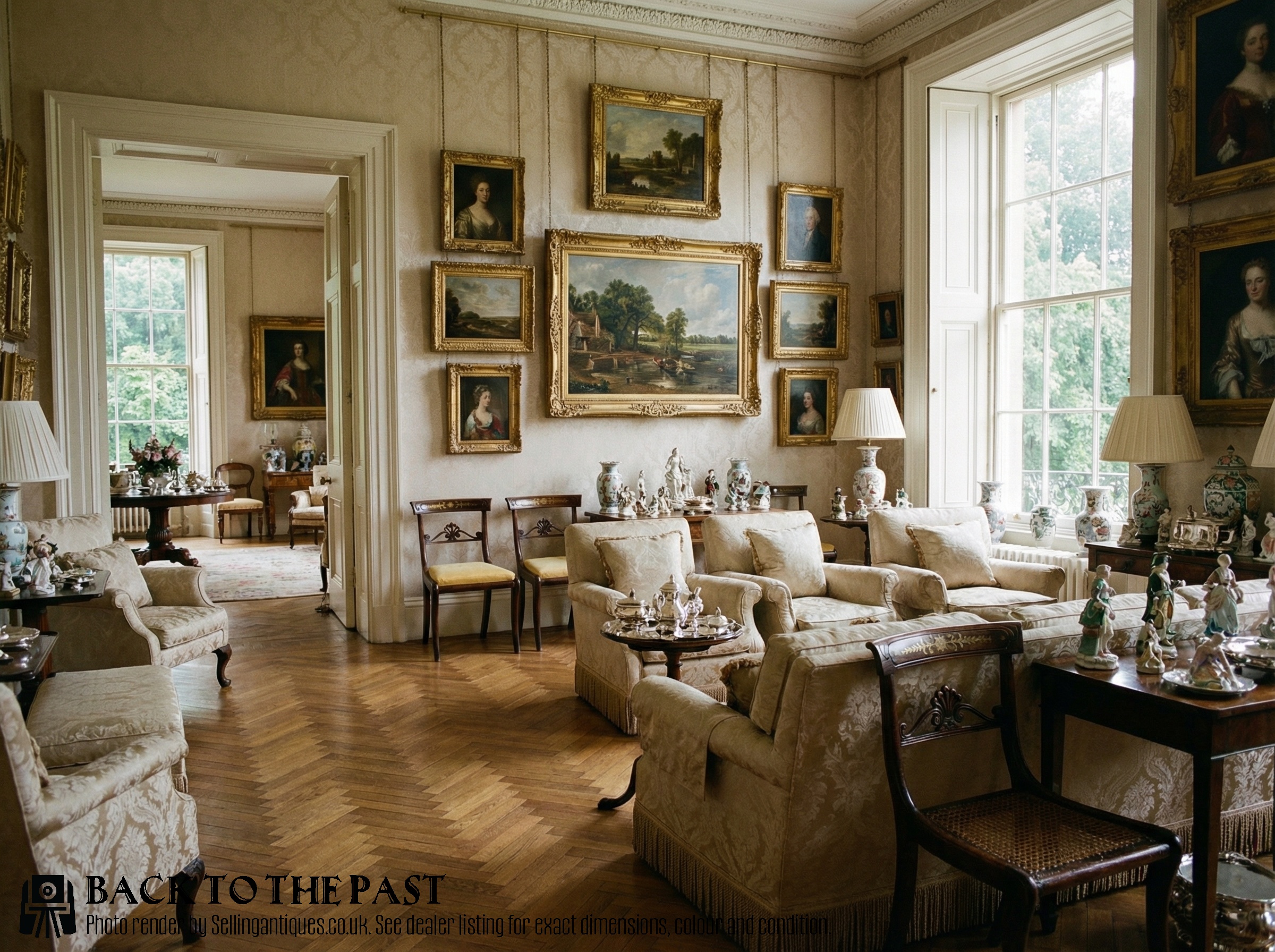
Antique Yellow Seat Chairs
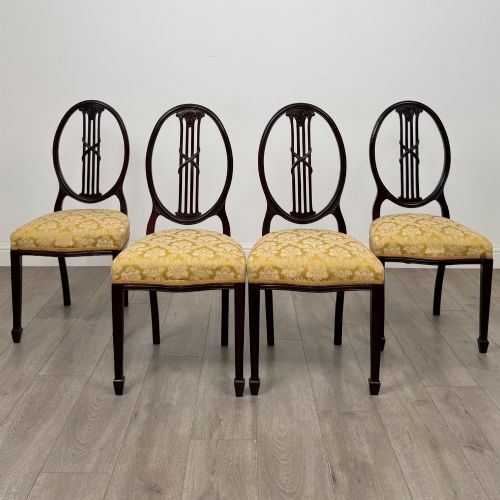
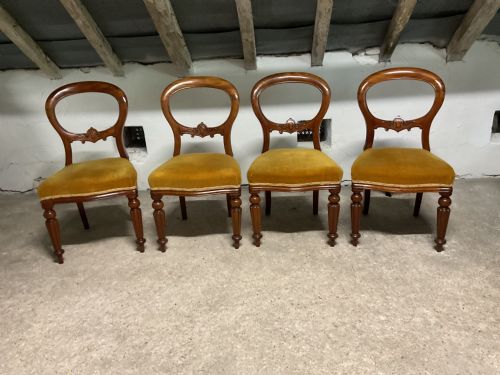
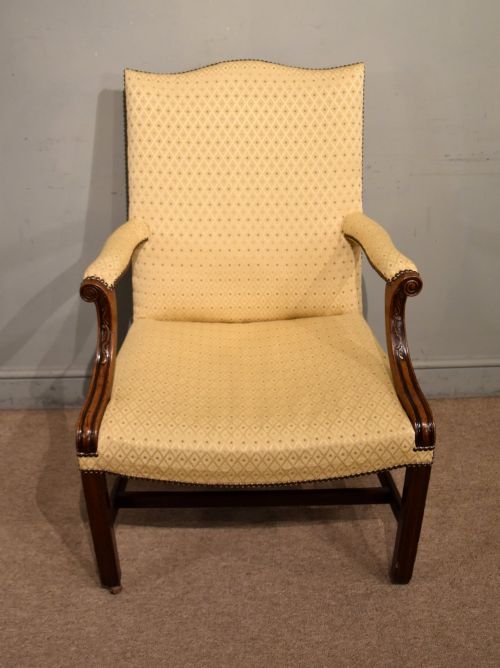
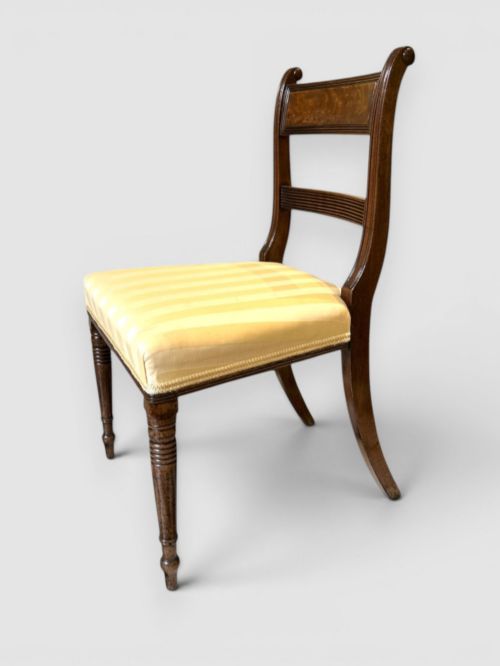
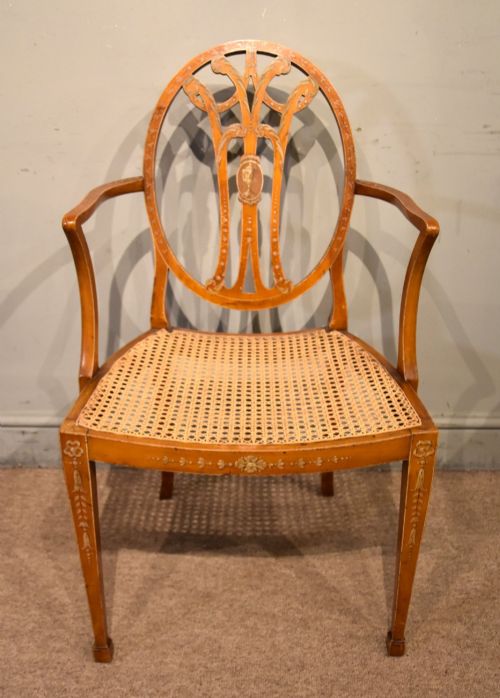
When searching for antique yellow seat chairs, buyers encounter a diverse selection of seating forms spanning the eighteenth, nineteenth, and early twentieth centuries. These pieces appear primarily as dining chairs, armchairs, side chairs, and salon suites constructed from woods such as mahogany, rosewood, walnut, and oak.
The yellow seats on these chairs typically feature upholstered coverings in fabrics like damask, velvet, silk, and linen. Buyers find that many examples incorporate revival styles, including Regency, Hepplewhite, and Georgian, alongside original Victorian and Edwardian pieces.
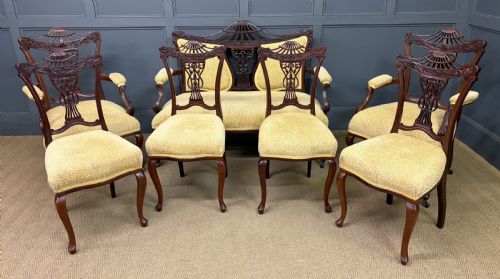
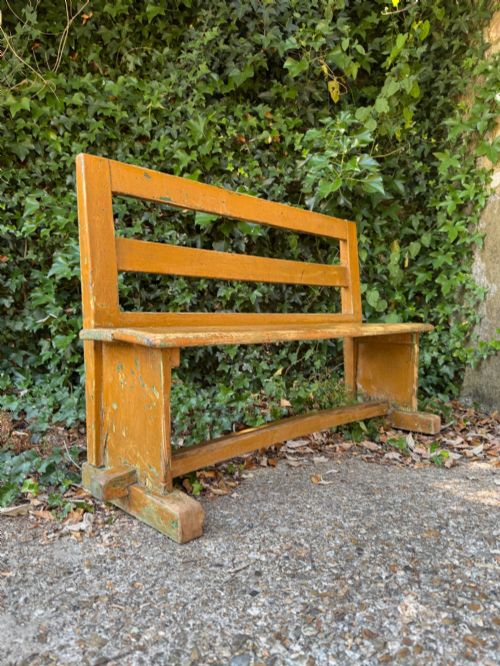
Forms range from simple side chairs and pine benches to elaborate library armchairs, nursing chairs, and complete salon sets. This variety allows collectors to source seating suitable for both formal dining spaces and intimate rooms.
Materials and Construction Techniques
Cabinetmakers utilised dense hardwoods like mahogany, rosewood, walnut, and oak for the frames, ensuring structural stability and longevity. These woods were frequently carved, turned, or inlaid with lighter timbers like satinwood and maple to create decorative surface detail.
Upholstery techniques involved securing fabrics such as silk, damask, velvet, and linen over supportive interior stuffing. Brass hardware, painted finishes, and giltwood embellishments further defined the construction of finer armchairs and salon suites.
Assessing Quality and Craftsmanship
Quality in these seating pieces rests upon the precision of the timber framing and the sophistication of the joinery. Superior examples display crisp hand-carving, well-balanced proportions, and tight wood joints that endure centuries of use.
The grade of the upholstery materials and the execution of textiles like needlepoint tapestries or damask distinguish high-end salon suites and armchairs from simpler utilitarian benches and side chairs.
Blyth And Sons
The Antique Yellow Seat Chairs Glossary
- Balloon Back
- A chair back shaped like a rounded oval, popular during the Victorian period. This design provides ergonomic support while offering an elegant silhouette.
- Giltwood
- Wood carved and then covered with a thin layer of gold leaf. This technique appeared frequently on decorative French armchairs.
- Damask
- A reversible figured fabric traditionally woven in silk, wool, or linen. It provides a patterned, textured surface often utilised for formal seat upholstery.
- Salon Suite
- A matched set of upholstered seating comprising a settee and several matching armchairs or side chairs. These groupings furnished nineteenth-century formal reception rooms.
- Satinwood
- A durable, yellowish-brown timber imported from tropical regions. Craftsmen used it for contrasting string inlay and veneering on Edwardian and Georgian furniture.
Antique Yellow Seat Chairs: Frequently Asked Questions
How do I date an antique chair?
Dating relies on examining the timber species, construction methods, and stylistic cues present in the frame. Secondary woods and tool marks often reveal the manufacturing era.
Comparing the carved details and upholstery style to documented period examples helps confirm the decade or century of origin.
Are these chairs suitable for daily dining?
Many antique dining chairs and sets remain structurally robust enough for regular daily use. Solid hardwood frames provide the necessary strength for modern seating.
Buyers should inspect the internal joinery and seat stability to ensure the pieces can handle everyday domestic life.
Can I mix different chair styles together?
Mixing various chair styles, such as Regency dining chairs with an Edwardian armchair, creates a layered interior aesthetic. This approach reflects historical domestic accumulation rather than rigid uniformity.
Maintaining a common element like wood tone or yellow upholstery helps unify disparate seating choices around a room.
What is a salon suite?
A salon suite is a matched group of seating furniture designed for formal entertaining rooms. These sets typically include a settee accompanied by matching armchairs and side chairs.
They showcase uniform upholstery fabrics and cohesive wood carving characteristic of nineteenth-century drawing-room decoration.