

Antique Yellow Furniture
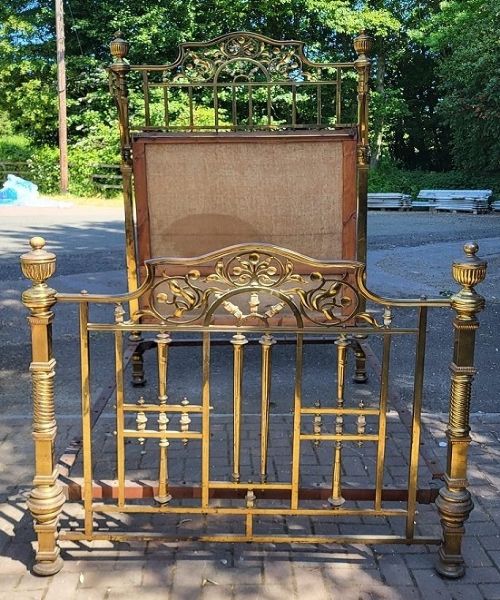
Antique yellow furniture brings warmth to a room through original painted finishes, satinwood, and simulated pine from Georgian, Victorian, and Edwardian periods.
Antique Yellow Furniture
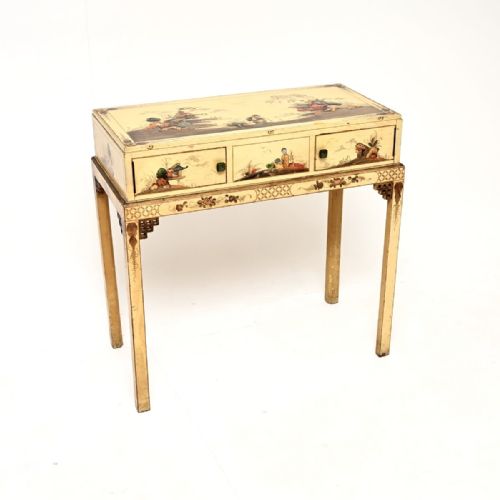
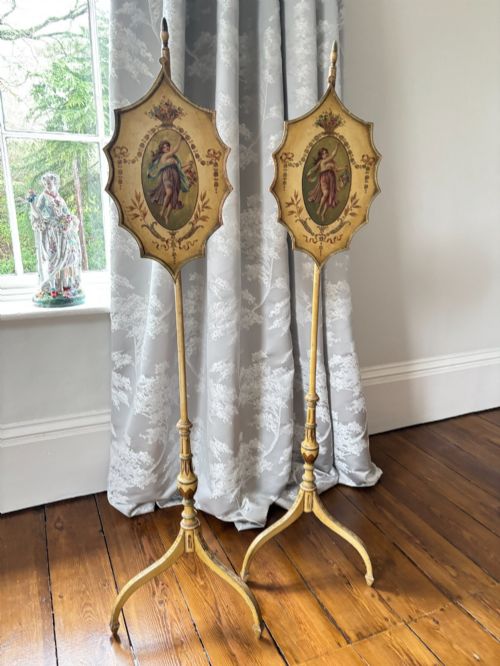
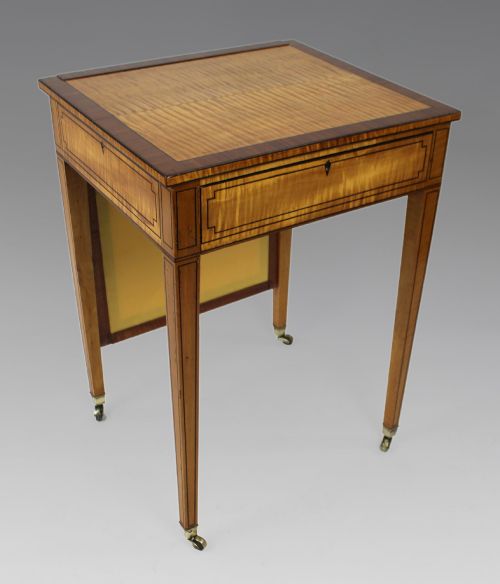
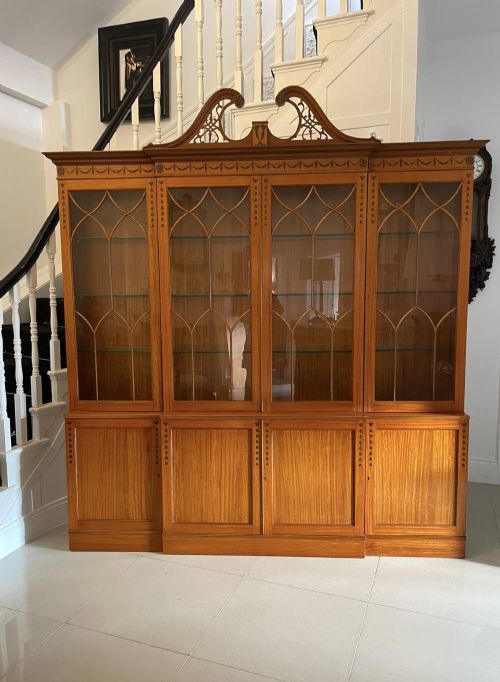
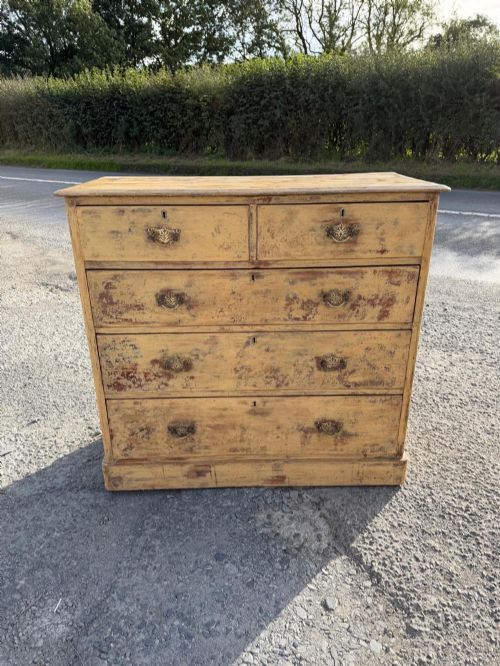
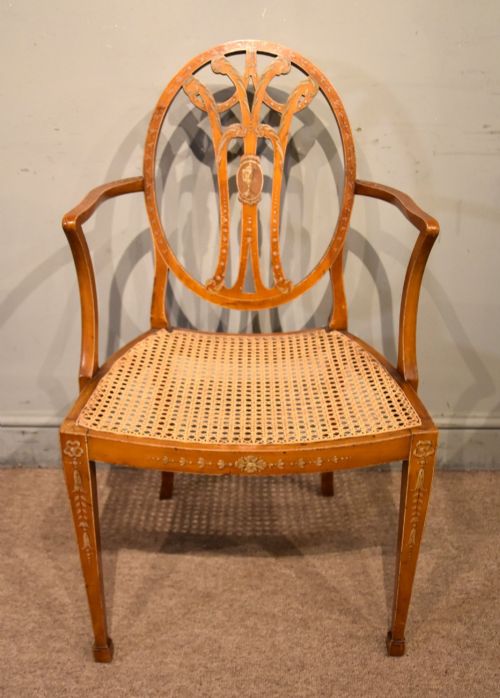
When you search for antique yellow furniture, you encounter a diverse selection of storage pieces, seating, and tables spanning the eighteenth, nineteenth, and early twentieth centuries. The listings show a strong presence of painted pine chests of drawers, satinwood display cabinets, and armchairs finished in bright or muted tones.
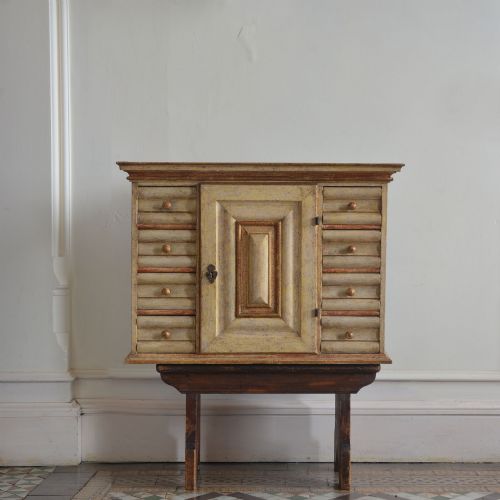
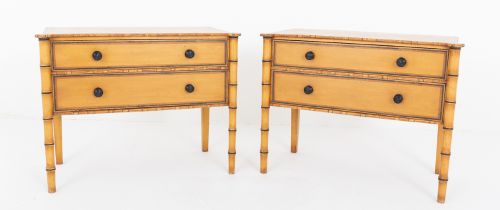
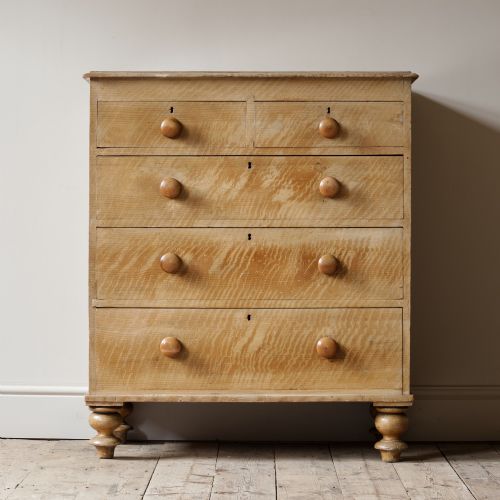
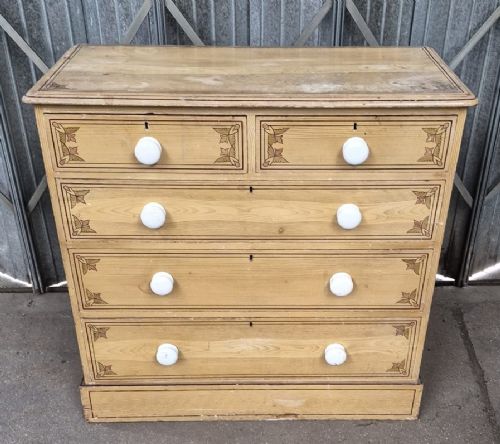
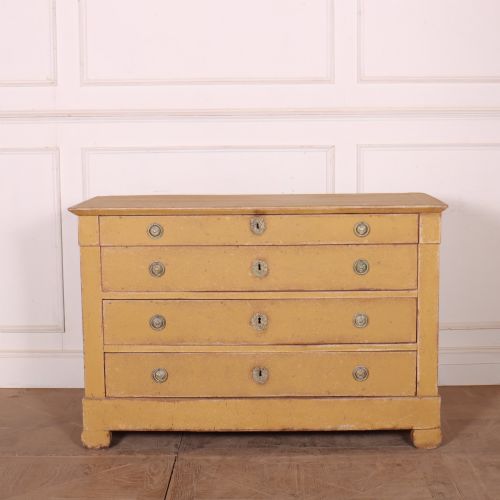
The most common pieces you will meet are country house chests of drawers and cupboards bearing original paint, scumble, or faux bamboo decoration. Alongside these storage items are salon suites, dining chairs, and writing tables dating from the Georgian era through to the Edwardian period.
Materials and construction methods
Makers utilised solid timbers such as pine, mahogany, walnut, and elm as foundations for painted and polished finishes. Pine and elm frequently received layers of original paint, country house scumble, or simulated graining to mimic more expensive woods.
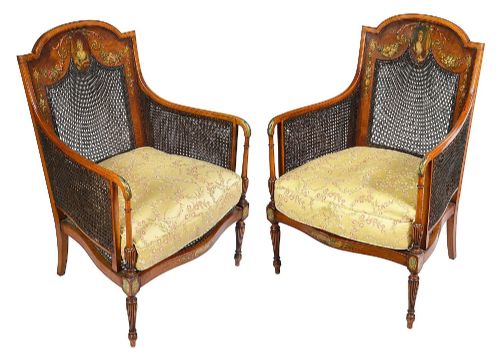
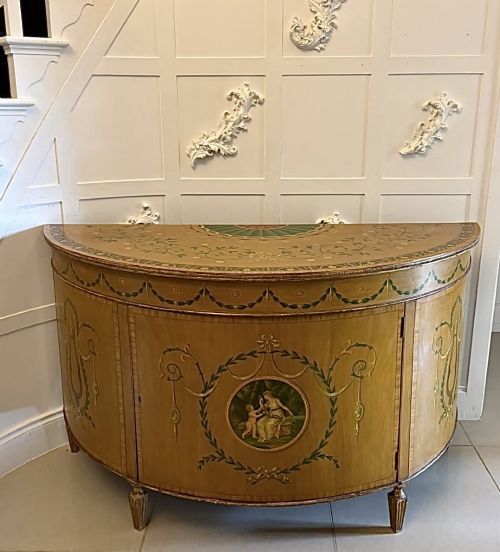
Satinwood pieces utilised fine veneers and delicate hand-painted decoration, while structural elements in seating and larger cabinets relied on traditional joinery, brass hardware, and carved details suited to the Regency, Victorian, and Arts and Crafts styles.
Antique Yellow Furniture Retail Price Guide 2026
Typical asking prices for yellow furniture among the pieces listed under this phrase on Sellingantiques today, from the lower quarter to the upper quarter. They describe what is for sale here now, not the wider market.
Listings feature yellow-toned pieces spanning from the 18th century through to the 1930s, using pine, satinwood, and elm.
Distinctions in quality and execution
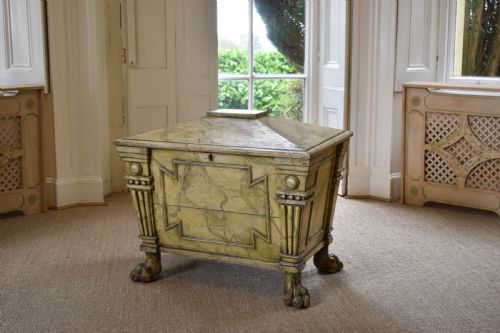
The degree of preservation in the original surface finish largely separates standard utility items from superior examples. Pieces retaining untouched country house paint, scumble, or delicate hand-painted floral decoration command greater interest than those stripped or heavily restored in later decades.
Construction integrity and finer proportional details also dictate standing. Well-executed cockbeading on drawer fronts, precise faux bamboo turning, and timber choice in secondary woods distinguish superior workshops from ordinary regional production.
Harrods, London·Blyth & Sons·Shoolbred
The Antique Yellow Furniture Glossary
- Scumble
- A decorative painting technique involving translucent glaze dragged over an opaque base coat to simulate wood grain or texture. It is frequently found on nineteenth-century country house furniture.
- Satinwood
- A durable hardwood with a lustrous, golden-yellow sheen favoured for fine cabinet-making and painted furniture during the eighteenth and nineteenth centuries.
- Faux bamboo
- A decorative turning technique applied to wood to imitate natural bamboo stems. This style appeared frequently on Regency and Victorian bedroom and occasional furniture.
- Commode
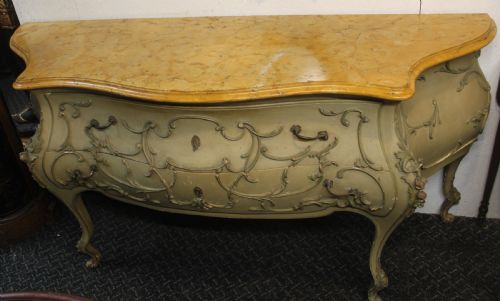
- A low cabinet or chest of drawers designed for domestic storage, often featuring decorative painted finishes in French and Italian pieces.
- Astral glazed
- A term describing glass cabinet doors divided by thin wooden framework bars into geometric panes. It is commonly seen on eighteenth and nineteenth-century bookcases and display cabinets.
Antique Yellow Furniture: Frequently Asked Questions
How do I care for original painted finishes?
Keep painted surfaces away from direct sunlight and excessive moisture to prevent fading and flaking of the historic pigment.
Dust gently with a dry, soft cloth and avoid chemical cleaning agents that can strip fragile nineteenth-century scumble or paint.
Are painted pine chests purely decorative?
Country house chests of drawers and cupboards were built for robust daily storage of linens and household goods.
Their sturdy pine construction makes them fully functional for modern bedrooms and hallways while adding historic character.
What is the difference between satinwood and painted pine?
Satinwood is a dense, naturally golden timber often decorated with delicate hand-painted motifs for polite drawing rooms.
Painted pine and simulated finishes were typically utilised for country houses, nurseries, and provincial settings where charm outweighed exotic materials.
How can I tell a Georgian piece from a Victorian one?
Georgian furniture from the eighteenth century generally displays restrained classical proportions and fine mahogany or early painted surfaces.
Victorian pieces often introduce heavier proportions, mixed revival styles, and distinct industrial hardware alongside bolder painted pine treatments.