



Antique Ww1 Memorabilia
These pieces of antique ww1 memorabilia carry the tangible weight of conflict, offering collectors a direct physical link to the early twentieth century.
Antique Ww1 Memorabilia
Collectors seeking antique ww1 memorabilia encounter a varied selection spanning military equipment, patriotic keepsakes and domestic items produced during the conflict and the Edwardian era. The pieces listed on this page include military periscopes, engine company tool boxes, door hardware, wall sculptures, character jugs, decorative boxes, smoking pipes and picture frames.
The objects originate from multiple decades, stretching from the Edwardian period and the 1910s through the 1920s, 1930s and 1940s. Buyers frequently meet items bearing specific dates, military insignia or commemorative associations tied to the armed forces and wartime campaigns.
How they were made
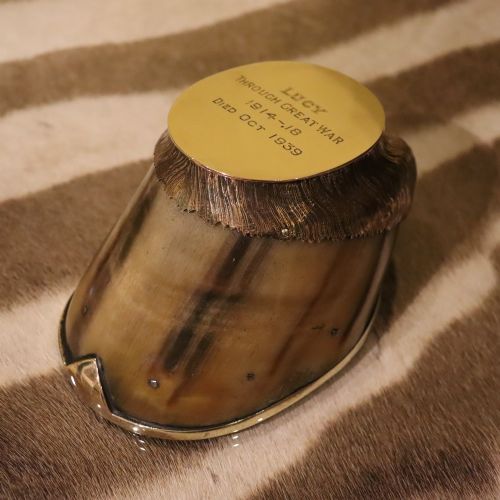
Makers utilised a combination of metals, timber and painted finishes, working with brass, glass, wood, pine, iron, laminated wood and timber to construct both utilitarian gear and decorative pieces. Military instruments and trench art incorporate repurposed ordnance alongside traditional cabinet-making and metalworking techniques.
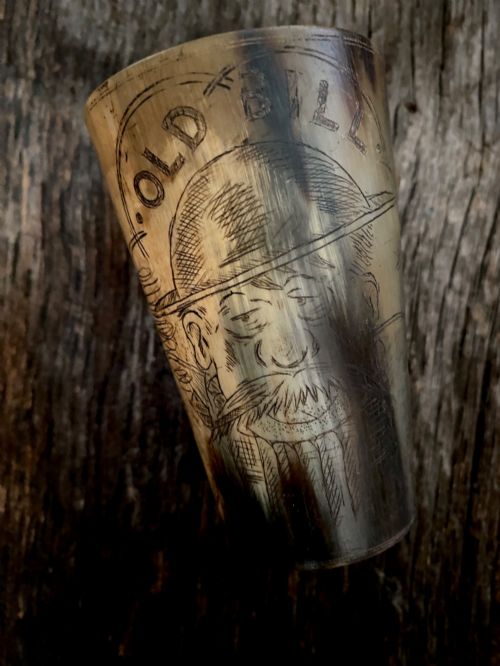
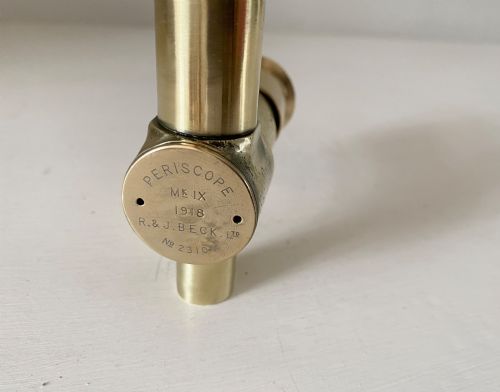
Applied decoration includes silver mounting, enamel work, hand-carved horn and detailed surface paint. Items range from precision-engineered equipment like marked optical periscopes to rustic hand-carved propaganda pipes and repurposed shell cases.
Antique Ww1 Memorabilia Retail Price Guide 2026
Typical asking prices for ww1 memorabilia among the pieces listed under this phrase on Sellingantiques today, from the lower quarter to the upper quarter. They describe what is for sale here now, not the wider market.
Listings feature items dated across the Edwardian period, 1910, 1920, 1930 and 1940.
What varies in quality
The standard of antique ww1 memorabilia depends upon the clarity of original markings, makers' names and historical association. Pieces carrying legible military stamps, dated inscriptions or documented regimental connections hold greater historical weight than unmarked equivalents.
Material preservation and the integrity of applied decoration define the upper tier of objects. Fine silver mounts, intact enamel work and expert carving elevate domestic items and trench art above standard mass-produced variants.
R J Beck Ltd·Gnome Et Le Rhone Engine Company
The Antique Ww1 Memorabilia Glossary
- Trench art
- Decorative or utilitarian objects made by soldiers, prisoners of war or civilians from war scrap and ordnance. Such pieces often utilise spent shell cases, bullets and military surplus materials.
- Character jug
- A ceramic vessel shaped as the head of a well-known figure or generic type. Examples from the early twentieth century frequently depict prominent military commanders or political leaders of the era.
- Periscope
- An optical instrument utilising mirrors and lenses to allow observation from a concealed position. Military variants from the conflict were engineered for use within trench networks.
- Finger plate
- A protective metal or ceramic plate fixed to a door around the handle to prevent fingerprints and wear. Wartime examples often incorporate commemorative military designs and insignia.
- Propaganda pipe
- A smoking pipe carved or decorated with political or patriotic motifs. These objects served as expressions of national sentiment during periods of international conflict.
Antique Ww1 Memorabilia: Frequently Asked Questions
What is antique ww1 memorabilia?
These items encompass equipment, personal effects, commemorative pieces and trench art created during the First World War and the surrounding Edwardian period. They reflect both the official output of wartime manufacturers and the personal craftsmanship of soldiers.
Collectors pursue these objects to preserve the material culture of an era that reshaped global history. Each piece offers a tangible connection to the events, individuals and daily realities of the early twentieth century.
How should I display military periscopes?
Military periscopes require stable placement on a sturdy surface or secure wall mounting, depending on their weight and construction. Brass and metal optical instruments benefit from indoor environments with stable humidity to prevent tarnishing.
Positioning these pieces away from direct sunlight preserves original paint finishes, wood components and markings. Proper support ensures the long-term preservation of delicate mechanisms and glass lenses.
Are character jugs from this period rare?
Early ceramic character and Toby jugs depicting prominent wartime figures are sought after by specialists. Their scarcity depends on the specific subject, the pottery manufacturer and the survival rate of fragile ceramics.
Examples featuring military leaders or allied figures from the opening year of the conflict carry particular historical interest. Condition, including the preservation of painted glazes, influences how frequently such pieces appear on the market.