





Antique Writing Ink Pot
An antique writing ink pot sits ready on the desk, holding the weight of a slower, more deliberate method of correspondence.
Antique Writing Ink Pot
An antique writing ink pot encompasses desk accessories designed to hold liquid ink for daily correspondence, appearing in varied forms across the nineteenth and early twentieth centuries. When searching for this phrase, a buyer encounters everything from single utilitarian glass vessels to elaborate silver desk sets and novelty animal figures.
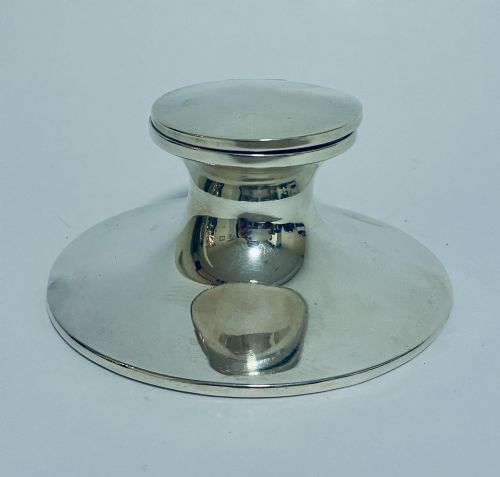
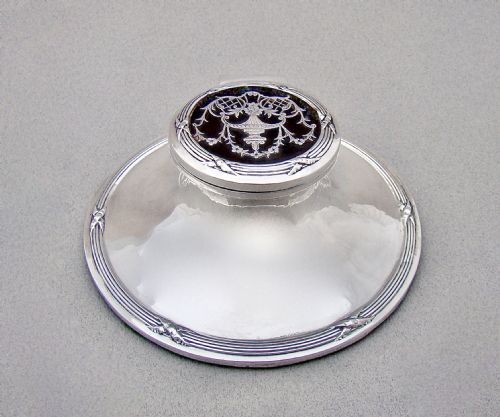
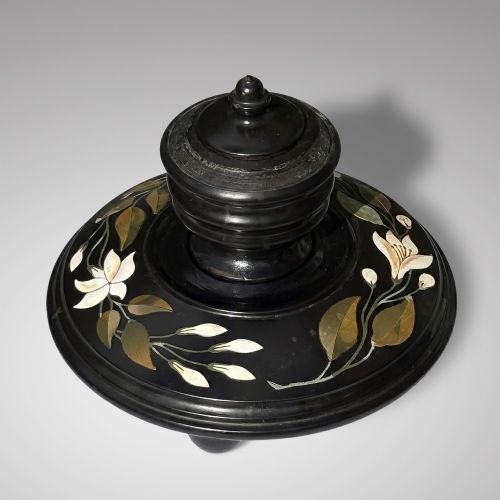
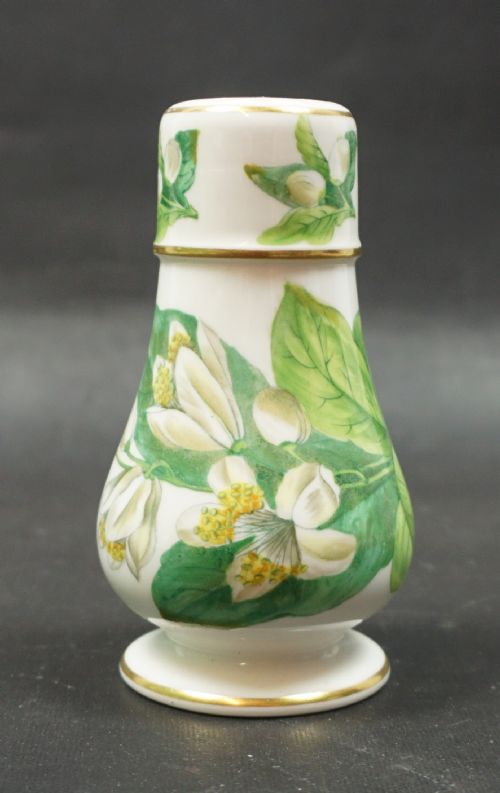
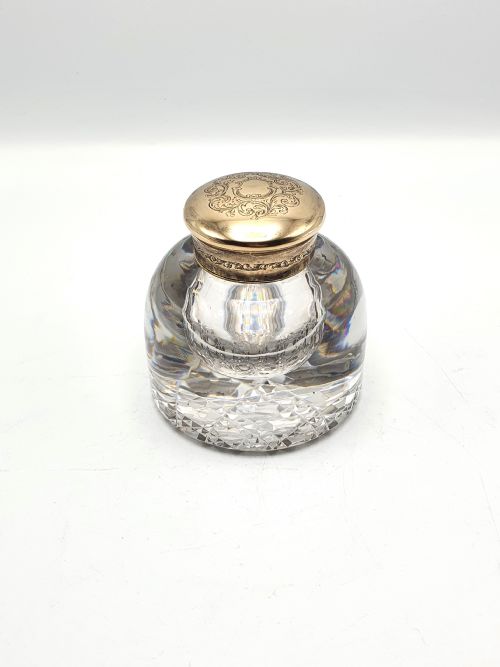
The most common examples on this page are capstan-shaped sterling silver models and heavy cut-glass pots mounted in brass, dating from the Victorian and Edwardian eras. These pieces range from simple domestic desk ware to decorative Continental porcelain and marble stands.
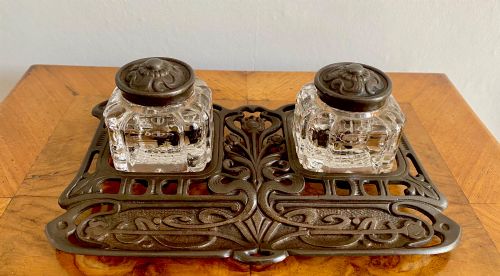
Makers and manufacturers of the period utilised distinct regional styles, producing items in configurations that include single ink pots, double inkwells, and complete inkstands fitted with original glass bottles.
Materials and construction
The construction of these pieces relies on a combination of molten glass, cast metals, and precious silversmithing techniques. Cut glass and heavy stoneware provide the durable reservoirs needed to contain corrosive writing fluids.
Metalwork involves cast bronze, brass, and sterling silver, often shaped into capstan forms or ornate Art Nouveau stands. Organic materials such as tortoiseshell and fruitwood add texture and contrast to the metal and glass components.
Decorative finishes incorporate gilt bronze, ormolu, and hand-painted porcelain details, uniting structural utility with the aesthetic movements of the nineteenth and early twentieth centuries.
One unfortunate bulldog stares eternally from its desk with soulful glass eyes, holding its breath beneath a heavy hinged head.
Evaluating craftsmanship and condition
Quality in these items rests on the weight of the materials and the crispness of the casting or cutting. Heavy gauge sterling silver and deeply faceted cut glass indicate superior production standards compared to lighter, pressed alternatives.
The presence of original fitted components, such as matching glass insert bottles and matching silver hallmarks, elevates an ink pot's standing. Intricate detailing in novelty designs, like realistic glass eyes in animalier pieces, demonstrates higher artisan skill.
Integration of multiple materials, such as tortoiseshell panels set into silver or bronze mounted on marble, requires precise joinery that marks the distinction between standard desk ware and high-end atelier work.
Henry Matthews·Maurice Dufrene
The Antique Writing Ink Pot Glossary
- Capstan inkwell
- A desk ink pot shaped like a ship's capstan, featuring a wide circular base tapering upward to a hinged lid. This profile provides stability on a writing table.
- Pounce pot
- A small shaker container used to sprinkle powdered sand or resin over freshly written ink to speed drying and prevent blotting. It precedes the use of blotting paper.
- Inkstand
- A complete desk tray or stand incorporating one or more ink pots alongside pen rests and sometimes a matching bell or pounce pot.
- Animalier
- A nineteenth-century artistic style focusing on realistic depictions of animals. In desk accessories, this appears as novelty ink pots modelled after dogs or other creatures.
- Ormolu
- Finely ground high-carat gold applied to a bronze base using a mercury amalgam technique. This decorative finish produces a rich golden lustre on nineteenth-century mounts.
Antique Writing Ink Pot: Frequently Asked Questions
What is an antique writing ink pot?
An antique writing ink pot is a functional desk accessory designed to hold liquid ink before the invention of the fountain pen. These pieces date primarily from the nineteenth and early twentieth centuries.
They appear in materials ranging from simple stoneware and cut glass to sterling silver and tortoiseshell, reflecting the domestic habits of their respective eras.
How do I use an antique ink pot?
These pots are designed to hold bottled ink for dip pens and quill writing. You simply pour or place liquid ink into the central glass or ceramic reservoir.
Take care to ensure the hinged lid closes properly to prevent the ink from drying out too quickly on your desk.
How do I date a silver inkwell?
Dating silver items relies heavily on legible hallmarks stamped into the metal. These small symbols indicate the assay office, the maker's mark, and a specific date letter.
Stylistic cues, such as the curved lines of Art Nouveau or the heavy geometry of Art Deco, also help narrow down the period of manufacture.
What is the difference between an ink pot and an inkstand?
An ink pot is a single vessel designed solely to contain ink for writing. It often sits independently or fits into a simple capstan base.
An inkstand is a larger desk tray that holds one or more ink pots alongside integrated pen grooves, candlesticks, or pounce pots for sand.