




Antique Woven Wall Art
Antique woven wall art brings centuries of textile tradition into modern spaces, offering rich textures and historic narratives through tapestries and tribal hangings.
Antique Woven Wall Art
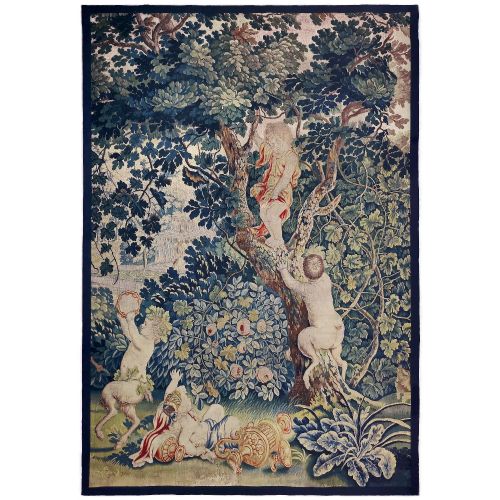
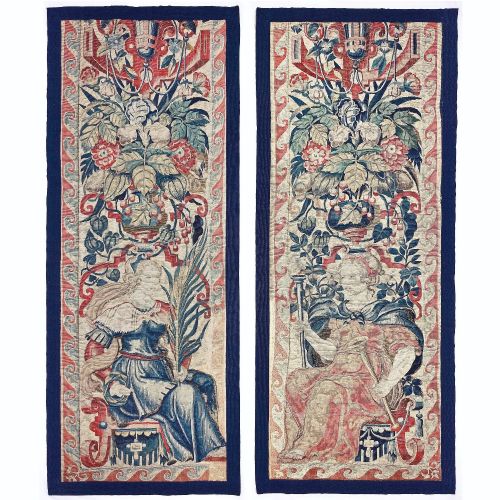
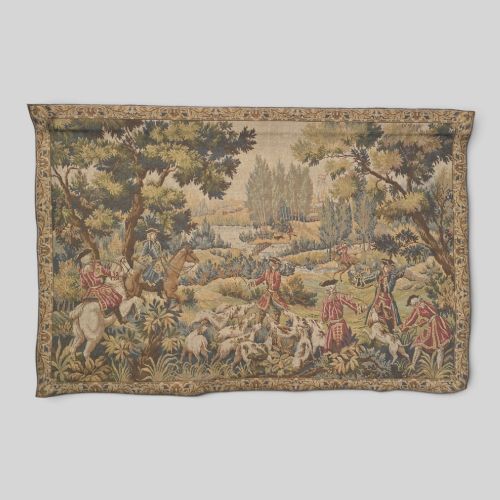
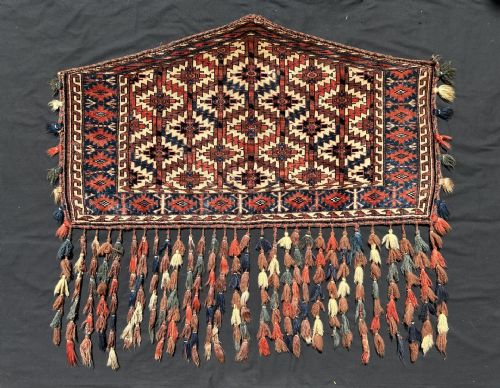
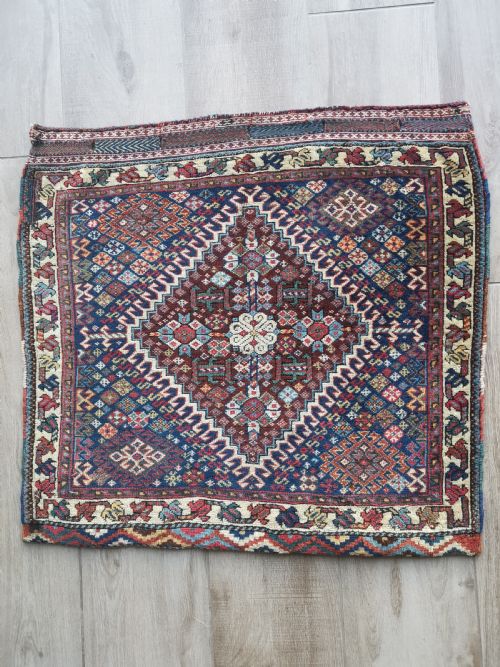
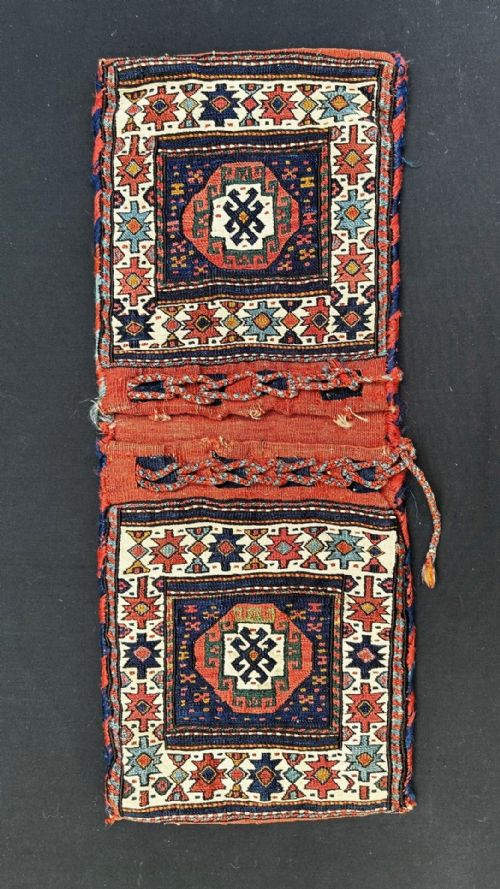
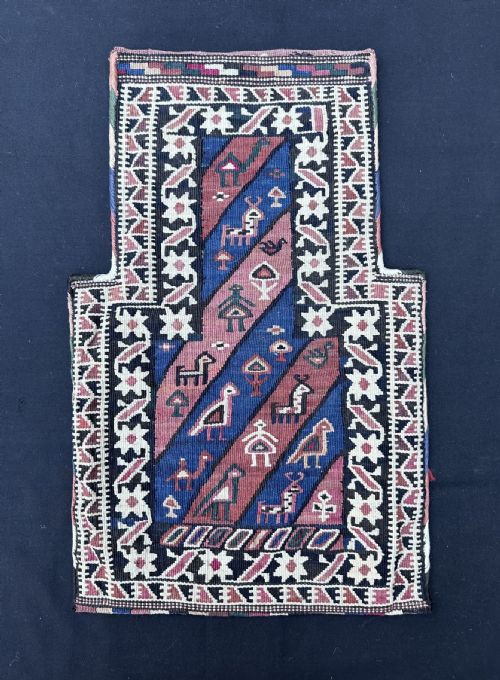
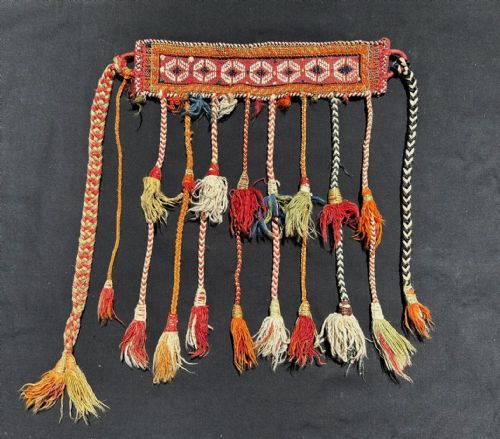
When you search for antique woven wall art, you encounter European tapestries and Central Asian tribal trappings that were originally created for functional use or grand interior decoration. The selection spans formal French and Flemish verdure scenes alongside nomadic bags, asmalyks, and shawl panels from Persia, Turkmenistan, and beyond.
The most frequent pieces on this page are European landscape tapestries from the seventeenth and eighteenth centuries, alongside nineteenth-century tribal weavings such as saddle bags and asmalyks. These works bridge the gap between textile craft and fine art, serving as tactile historical documents.
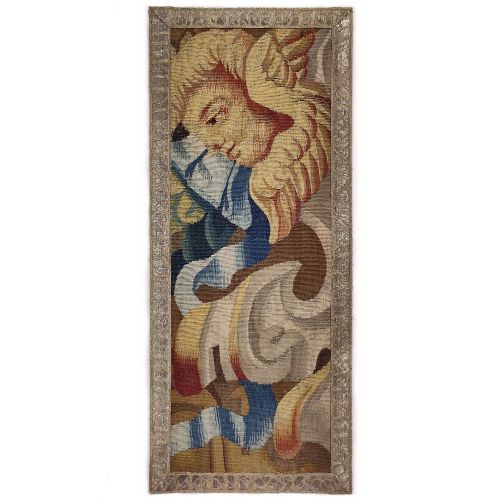
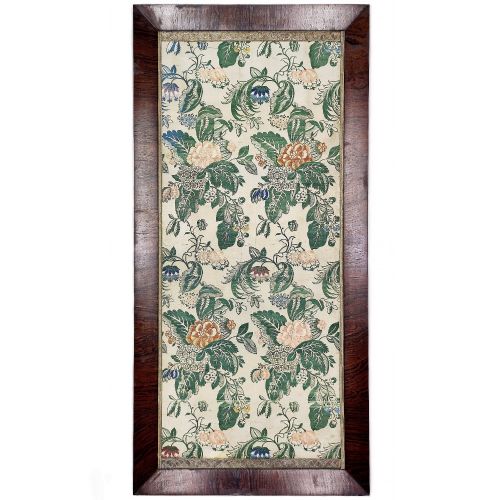
Originating from diverse traditions, these pieces include everything from large-scale mythological panels to intimate framed fragments mounted on linen. Buyers select them to anchor a room with organic texture, deep colour palettes, and centuries of human craftsmanship.
How they were made
The creation of these textiles relies primarily on wool, silk, and cotton, often utilising hand-spun fibres dyed with natural materials to achieve lasting depth of colour. Weavers employed traditional upright and horizontal looms, building up complex pictorial or geometric motifs thread by thread over many months.
European workshops focused on wool and silk warp-and-weft tapestry weaving, frequently incorporating verdure designs dominated by greens and blues. Nomadic weavers in Persia and Central Asia utilised sturdy wool foundations, sometimes adding silk highlights and intricate flat-weave techniques to create durable utility items that now function as wall hangings.
Antique Woven Wall Art Retail Price Guide 2026
Typical asking prices for woven wall art among the pieces listed under this phrase on Sellingantiques today, from the lower quarter to the upper quarter. They describe what is for sale here now, not the wider market.
Listings feature textiles spanning the seventeenth through the early twentieth centuries, constructed from wool, silk, cotton, and linen.
What varies in quality
Quality in these textiles rests upon the density of the weave, the complexity of the design, and the survival of the original materials. Tightly packed warps and sophisticated colour blending distinguish high-grade European tapestries and finely knotted tribal pieces from simpler utility items.
The integrity of the fibres and the vibrancy of natural dyes significantly impact the overall presence of the piece. Superior examples retain their structural stability and rich hues, while lesser specimens show heavy fading, loss of detail, or extensive historic restoration.
The Antique Woven Wall Art Glossary
- Verdure
- A type of tapestry featuring a dominant landscape theme filled with foliage, trees, and often birds or animals. These scenes were especially popular in seventeenth and eighteenth-century European workshops.
- Asmalyk
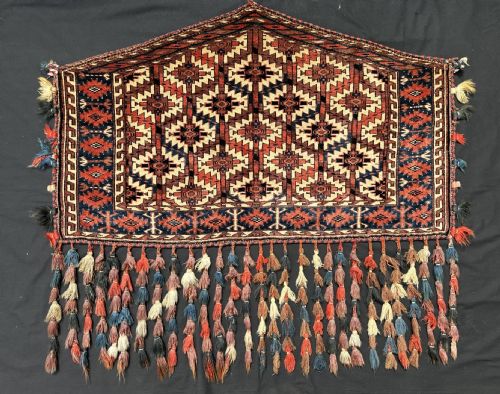
- A pentagonal or trapezoidal hanging produced by Yomut and other Turkmen tribes, traditionally used to decorate wedding camels. They display striking geometric designs in rich wool.
- Chanteh
- A small tribal bag or pouch traditionally used by nomads for carrying personal items. Their intricate face designs make them ideal for small-scale wall display.
- Torba
- A small storage bag produced by Turkmen tribes, featuring a wide embroidered or patterned face. They offer a concentrated example of tribal weaving techniques.
- Mille-fleurs
- A background style composed of a multitude of small, detailed flowers scattered across the field. This botanical style is characteristic of early European tapestries.
Antique Woven Wall Art: Frequently Asked Questions
How do I hang antique tapestries safely?
Heavy tapestries require professional weight distribution, typically using a Velcro header system or a custom fabric sleeve sewn along the top edge. This method spreads the tension evenly across the textile rather than placing stress on isolated points.
Smaller tribal bags and fragments are often mounted on stretched linen or placed inside shadow boxes with conservation-grade backing. Avoid direct, bright sunlight to protect natural dyes from fading over time.
What is the difference between European and tribal wall art?
European pieces such as Aubusson or Flemish panels typically depict narrative scenes, mythology, or lush pastoral landscapes woven in elaborate pictorial detail. They reflect courtly tastes and large-scale architectural interior design.
Nomadic pieces from Persia and Central Asia focus on geometric symbolism, tribal identity, and utilitarian forms like camel trappings or grain bags. Their appeal lies in bold abstract patterns and tactile, hand-spun wool structures.
Are fragments worth collecting?
Fragments of larger seventeenth or eighteenth-century tapestries offer an accessible entry point into historic textile ownership. They often showcase masterclass weaving techniques and rich colour palettes that would be prohibitively expensive in a complete panel.
When mounted professionally on linen, these sections become stable, striking visual artworks. They provide genuine historical context without requiring vast wall spaces.