

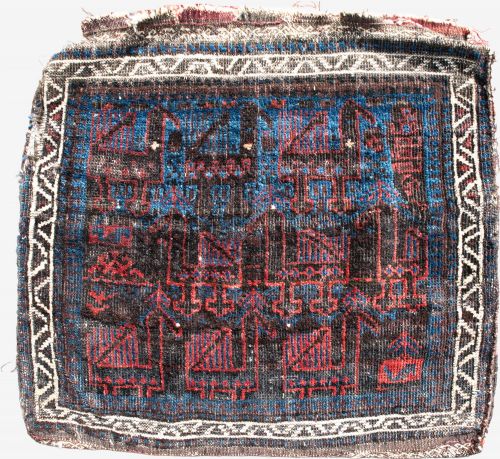


Antique Woven Textile Pillows
Antique woven textile pillows bring centuries of nomadic craftsmanship and historic fabrics directly onto your sofa.
Antique Woven Textile Pillows
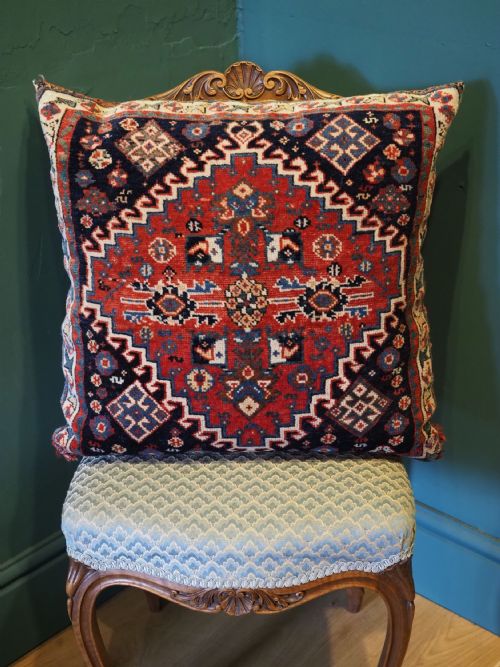
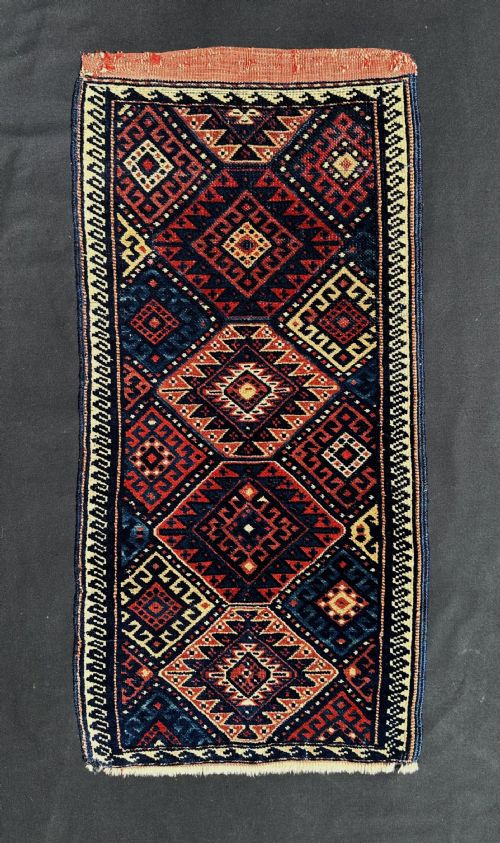
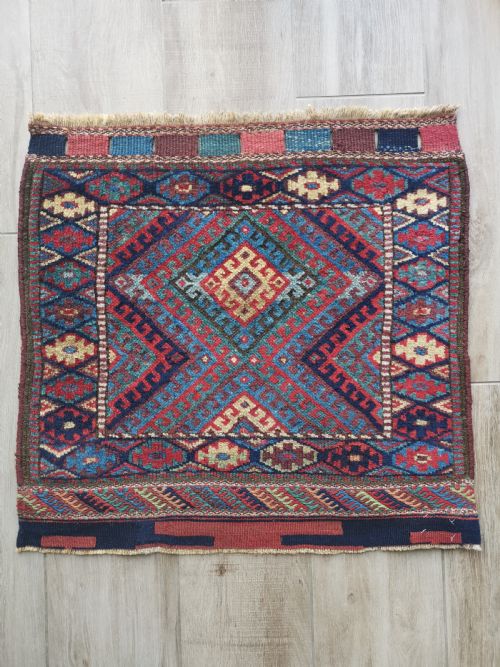
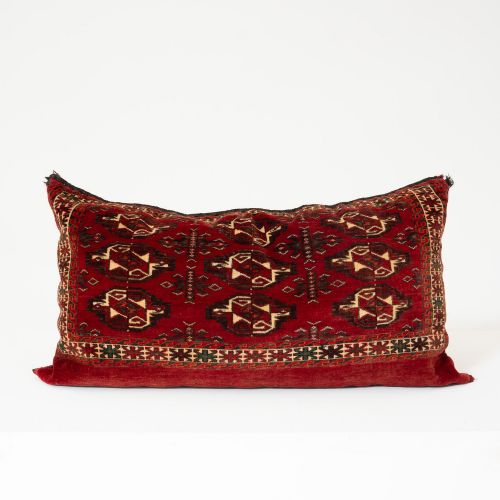
Antique woven textile pillows consist largely of repurposed nomadic bags, saddlebags, and grain sacks transformed into functional cushions. Buyers searching for antique woven textile pillows encounter pieces fashioned from fragments of Persian tribal weaving, Turkmen storage bags, and European tapestries.
The most common formats on this page are bag faces and kilim remnants from nineteenth and early twentieth-century tribal groups, alongside occasional eighteenth-century French silks and seventeenth-century tapestry covers. These objects translate utilitarian carrier pouches into decorative furnishings whilst retaining their original structural integrity.
Origins range across Persian provinces, Central Asian Turkmen territories, and European workshops, reflecting varied regional weaving traditions. Each cushion preserves historical textile techniques intended originally for daily nomadic life or formal European interiors.
Materials and construction methods
The construction relies on hand-spun wool, natural dyes, cotton, linen, and silk, combined according to regional provenance. Tribal pieces utilise durable wool and natural dyestuffs for hardwearing pile and flatweave surfaces, whilst European examples employ silk brocade and tapestry weaves.
Makers integrated fabric fringes, tassels, and plain weave linen or wool backs to complete the transition from utility bag to cushion. Weaving techniques encompass pile carpets, flatwoven kilims, and intricate brocades executed on traditional looms.
Antique Woven Textile Pillows Retail Price Guide 2026
Typical asking prices for woven textile pillows among the pieces listed under this phrase on Sellingantiques today, from the lower quarter to the upper quarter. They describe what is for sale here now, not the wider market.
Object types recorded across the inventory include tribal bag faces, saddlebags, kilim fragments, and European tapestry covers.
Factors determining quality
Quality rests upon the integrity of the textile fragment, the complexity of the original tribal design or European weave, and the harmony of the backing materials. Superior examples retain crisp motifs, rich natural dye palettes, and minimal restoration.
The precision of the hand-spinning and the tightness of the weave separate finer nomadic pieces from standard production. Preservation of original elements such as tassels, borders, and complete bag backs elevates the standing of an individual cushion.
The Antique Woven Textile Pillows Glossary
- Chuval
- A large Turkmen tent storage bag, frequently repurposed as a cushion front due to its generous proportions and detailed guls. These items formed part of traditional nomadic household furnishings.
- Torba
- A smaller Turkmen storage bag designed for hanging inside a tent, often featuring banded flatweave or pile designs suitable for pillow conversion.
- Gul
- An octagonal or repeating medallion motif characteristic of Turkmen carpet design, used to identify specific tribal groupings. Each pattern variant holds distinct regional significance.
- Kilim
- A flatwoven textile lacking pile, produced by tightly interweaving warp and weft threads to create geometric patterns. This technique yields a lightweight, durable fabric.
- Balisht
- A traditional Persian term for a pillow or small sleeping bag, often rendered with distinctive tribal iconography from regions such as Khorassan.
Antique Woven Textile Pillows: Frequently Asked Questions
How do I clean an antique woven textile pillow?
Surface dust should be gently removed using a soft brush or low-suction vacuum through a protective mesh screen. Professional textile conservation cleaning is recommended for deep maintenance to protect delicate natural dyes and antique wool.
Water washing at home risks shrinking the wool or causing natural dyes to bleed into adjacent fibres. Regular rotation and keeping cushions out of direct sunlight preserves the integrity of historic textiles.
Are these cushions made from authentic old fragments?
The pieces utilise genuine historic textiles sourced from nineteenth-century nomadic bags, eighteenth-century French silks, and seventeenth-century tapestries. Makers adapt these authentic antique fragments into cushions by adding supportive backs and closures.
Each cushion retains the original wear patterns, natural dye variations, and hand-spun textures indicative of its historical period. The integration of period fabrics ensures that no two decorative pillows are identical.
How do I identify a tribal design on a pillow?
Tribal designs are characterised by geometric motifs, repeating guls, and distinctive colour palettes associated with specific groups like the Yomut, Tekke, or Qashqai. These patterns reflect the cultural heritage and weaving traditions of particular nomadic regions in Persia and Central Asia.
Examining the weave structure, wool quality, and fringe details helps differentiate between various tribal origins. Reference literature on oriental carpets and nomadic weaving provides detailed classifications for specific bag faces.
Can I use these antique pillows every day?
These cushions are designed for decorative use on armchairs, beds, or sofas where wear is moderate rather than heavy. Selecting pieces with robust wool piles or sturdy flatweave construction ensures they withstand normal domestic placement.
Gentle placement prevents excessive friction on fragile silk brocades or delicate seventeenth-century tapestries. Treating the items with care allows historic textiles to remain functional interior objects.