



Antique Workbox on Stand
An antique workbox on stand is a fitted table for needlework and small treasures, combining practical storage with elegant display.
Antique Workbox on Stand
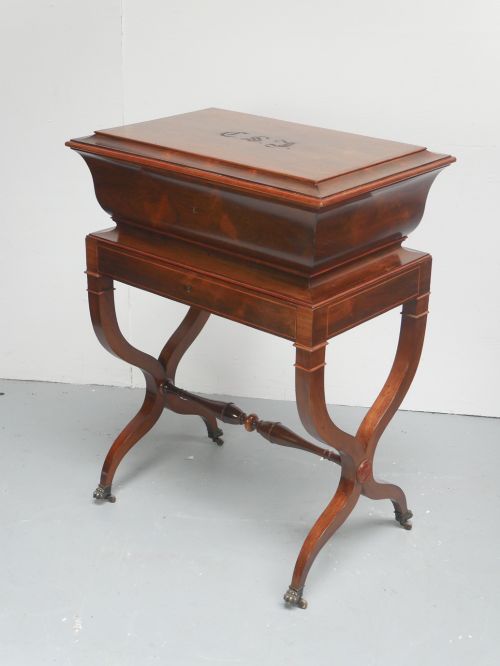
When you search for an antique workbox on stand, you encounter pieces designed primarily for sewing, needlework, and small domestic tasks. These items merge a portable box container with a dedicated support structure or table base, raising the work surface to a comfortable height for the maker.
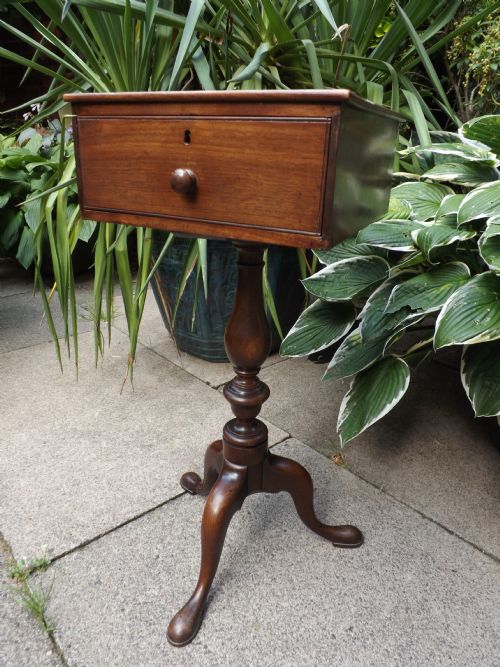
The versions most commonly met on this page span the Regency and Victorian eras, alongside select examples from the eighteenth and twentieth centuries. Formats range from freestanding sewing tables in rich hardwoods to distinctive box forms mounted on tripod bases or architectural stands.
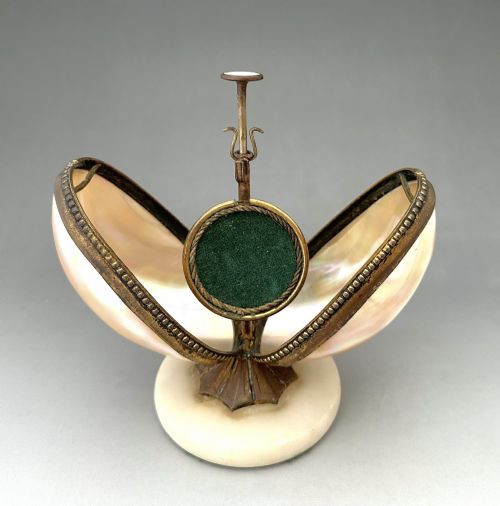
Origins represented in the evidence include English, French, and Anglo-Indian workshops, each bringing distinct regional proportions and decorative idioms to the traditional sewing table. Materials shift from domestic timbers like mahogany and oak to exotic rosewood and elaborate mother-of-pearl embellishments.
Materials and construction methods
Makers constructed these stands using dense cabinet timbers such as mahogany and rosewood, often selecting veneers to create figured grain patterns across the top and sides. Oak appears in supportive framing and internal compartments, while brass fittings provide functional hinges, locks, and caster mountings.
Surface ornamentation relies on contrasting inlays, mother-of-pearl panels, and gilt bronze mounts that reflect French Empire and Regency tastes. Interiors frequently incorporate fabric, velvet, and fitted compartments designed to organise spools, needles, and delicate sewing accessories.
Many tiny interior compartments still retain their original velvet linings, preserving the faint scent of century-old lavender and thread.
Assessing quality and execution
Quality in an antique workbox on stand rests on the crispness of cabinetmaking detail, from the precision of the box joints to the stability of the support frame. Superior examples maintain tight tolerances in their fitted internal trays and smooth operation in their lids and drawers.
The choice of primary timber and secondary decorative elements dictates the upper tier of the range, where figured rosewood, elaborate mother-of-pearl, and gilt bronze enrichments elevate a utilitarian sewing box into a sophisticated piece of furniture.
The Antique Workbox on Stand Glossary
- Workbox
- A portable box designed to hold sewing implements, letters, or small valuables. These containers often rest upon fitted tables or stands.
- Etui
- A small ornamental case used for holding needles, tweezers, or scissors. They frequently feature in French luxury goods from the nineteenth century.
- Tripod base
- A three-legged support structure commonly found beneath small occasional tables and work stands. This design provides stability on uneven floors.
- Veneer
- A thin layer of decorative timber applied to a coarser wood substrate. Cabinetmakers utilised this technique to display dramatic grain patterns.
- Gilt bronze
- Copper alloy finished with a thin layer of gold, also known as ormolu. This material decorates mounts and accents on high-status furniture.
Antique Workbox on Stand: Frequently Asked Questions
How were workboxes on stand used?
These pieces functioned as dedicated stations for ladies to mend garments, embroider, and pursue fine needlework during the day. The internal compartments kept small tools separated and secure while the stand positioned the work at a convenient height.
Beyond sewing, owners utilised the compartments to store letters, sealing wax, and personal keepsakes. Their decorative presence allowed them to sit comfortably in parlours and drawing rooms alongside larger tables and chairs.
How do I date a workbox on stand?
Dating relies on observing the primary woods, construction techniques, and stylistic vocabulary exhibited by the piece. Regency and George III examples often display clean classical lines in mahogany, whereas Victorian iterations frequently utilise rosewood, walnut, or applied mother-of-pearl.
Hardware styles, interior fabric choices, and leg formats further narrow the period of manufacture. Comparing the joinery methods inside the box to known furniture timelines helps establish an accurate date.
Are all workboxes fitted for sewing?
Most surviving examples retain internal trays or partitions specifically arranged for needlework accessories, spools, and thimbles. Some items, however, were designed as general caskets or writing boxes mounted onto custom stands.
Even within sewing-focused pieces, the complexity of the interior fittings varies from simple open wells to elaborate tiered compartments with silk pockets and carved bone tools.