


Antique Worcester Leaf Dish
An antique worcester leaf dish brings botanical form to porcelain, offering collectors delicate moulded veins and hand-painted plumage from eighteenth-century kilns.
Antique Worcester Leaf Dish
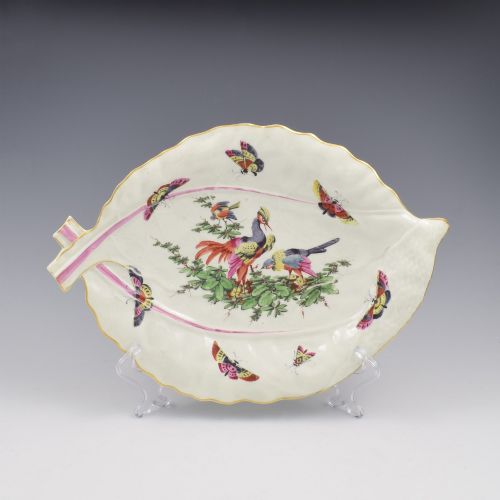
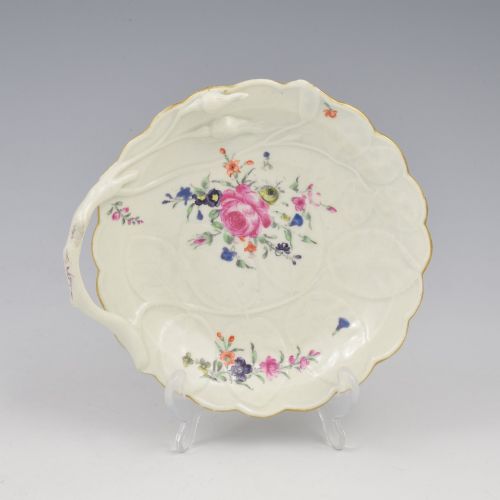
The antique worcester leaf dish captures natural botanical motifs in hard and soft pastes, taking shapes such as sweetmeat dishes, pickle dishes, and cabinet plates. These pieces emerge chiefly from eighteenth-century production alongside later Georgian and early twentieth-century revivals.
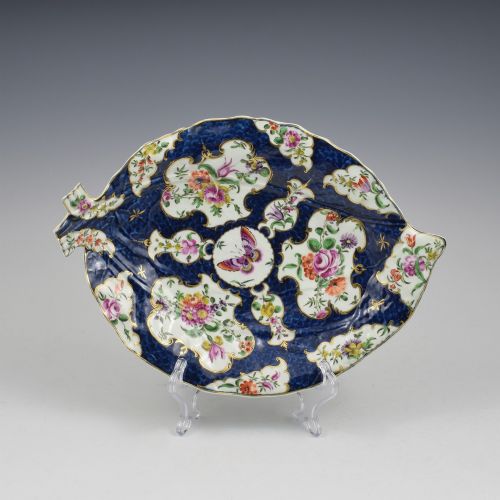
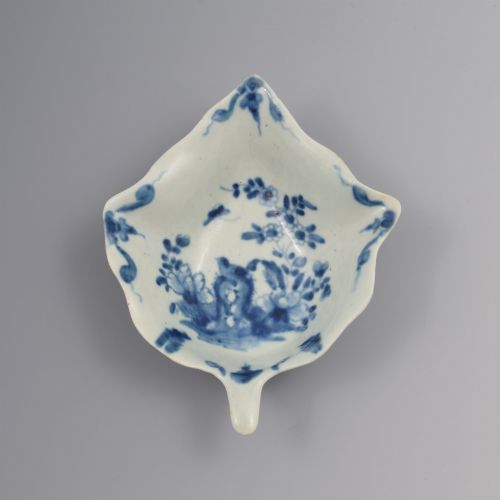
Moulded butter boats and serving dishes mirror actual foliage, often painted with birds, butterflies, or floral patterns. Collectors frequently encounter First Period examples featuring scale blue grounds or delicate daisy designs.
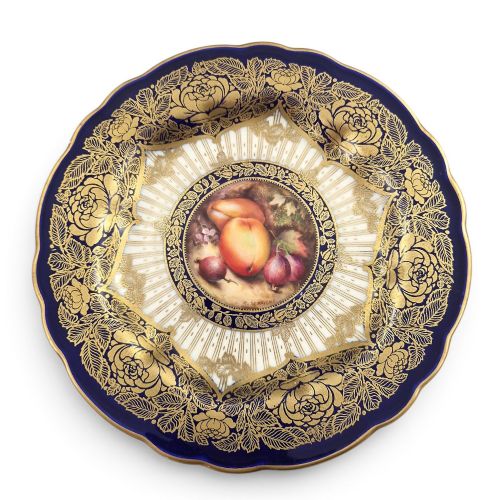
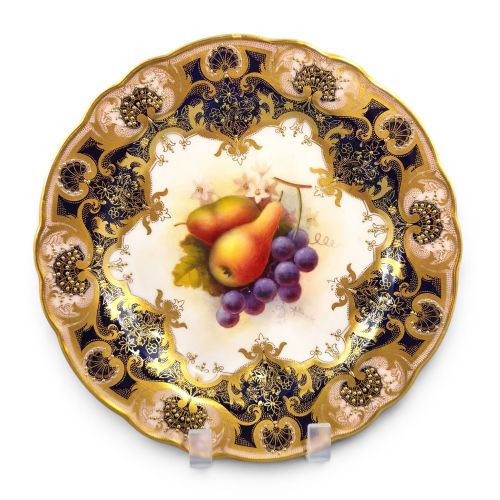
Later nineteenth and twentieth-century interpretations include painted fruit services by named artists on white porcelain and bone china. Each piece serves as both functional tableware and miniature canvas for botanical illustration.
Materials and methods
Early examples utilise soft-paste porcelain, requiring careful firing and skilled manipulation to achieve thin, translucent leaf margins. Artisans pressed clay into carved moulds to capture realistic vein structures before applying underglaze cobalt and overglaze enamels.
Gilding and gold leaf add reflective highlights to rims and handles, often fixed at high temperatures to bond with the glaze. Later twentieth-century items shift towards bone china and robust enamels, permitting vibrant painterly fruit studies.
Listings feature porcelain pieces spanning the eighteenth century, the Georgian period, and early twentieth-century Edwardian and Art Deco revivals.
Judging execution
The precision of the moulding dictates the sharpness of the leaf veins and the crispness of the edges. Finer pieces display delicate relief work that closely imitates natural foliage rather than soft, rounded contours.
Painterly skill separates standard production from exceptional work, visible in the careful detailing of bird plumage, butterfly wings, and fruit shading. The brilliance of the gilding and the purity of the white porcelain ground further define the grade of the piece.
Barr Flight and Barr·Royal Worcester
The Antique Worcester Leaf Dish Glossary
- Soft-paste porcelain
- A glassy ceramic composition fired at lower temperatures than hard paste, known for its warm tone and creamy translucency. It forms the body of most eighteenth-century Worcester leaf dishes.
- Pickle dish
- A small, shallow tableware item moulded in the shape of a leaf, designed for serving condiments or small delicacies at the dining table. These pieces often feature naturalistic stalks acting as handles.
- Overglaze enamels
- Pigments applied on top of the fired glaze and fixed with a second, lower-temperature firing. This technique allows for a rich palette of reds, greens, and yellows.
- Scale blue
- A patterned underglaze blue ground resembling fish scales, typically filled with reserved panels of painted flowers or birds. It remains a hallmark of First Period Worcester porcelain.
- Cabinet plate
- A decorative plate intended for display in a cabinet rather than functional dining use. These items frequently showcase elaborate hand-painted scenes by signature artists.
Antique Worcester Leaf Dish: Frequently Asked Questions
How do I identify First Period Worcester?
First Period pieces generally date from the eighteenth century under the direction of Dr John Wall, utilising soft-paste porcelain and distinct painterly palettes like scale blue.
Look closely at the glaze consistency, the weight of the paste, and traditional crescent or square fretted marks underneath the base.
Were these leaf dishes used for dining?
Many early pickle and sweetmeat dishes served practical functions on Georgian dining tables for pickles, sauces, or small preserves.
Over time, changing fashions transformed similar items into cabinet pieces valued primarily for their painted decoration and porcelain body.
What is the difference between eighteenth and twentieth-century pieces?
Eighteenth-century examples rely on soft-paste porcelain and hand-pencilled underglaze blue or polychrome enamels, often featuring moulded leaf veins and botanical forms.
Twentieth-century items, such as Royal Worcester cabinet plates, utilise bone china and feature signed artistic fruit paintings created decades later.
How should I clean my antique porcelain dish?
Wash porcelain by hand in warm water using a mild, non-abrasive detergent, avoiding dishwashers entirely to protect fragile glazes and delicate gold leaf.
Dry the piece immediately with a soft, lint-free cloth to prevent water spots on the antique surface.