






Antique Wool Mafrash
These antique wool mafrash pieces are tribal storage bags woven by nomadic groups, offering tactile history and striking geometric patterns for the home.
Antique Wool Mafrash
An antique wool mafrash is a heavy-duty storage bag traditionally woven by nomadic and tribal groups across the Caucasus, Central Asia, and Turkmenistan. These rectangular chests served a practical domestic purpose inside tents and transport animals, holding bedding, clothing, and household goods.
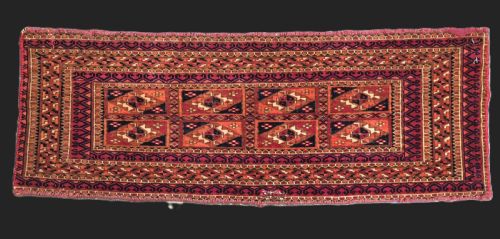
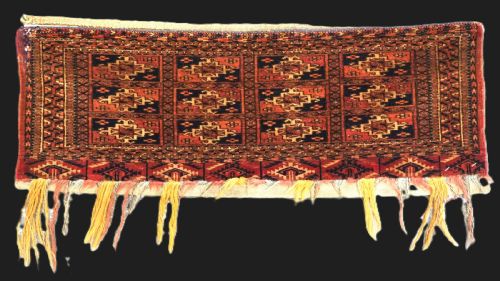
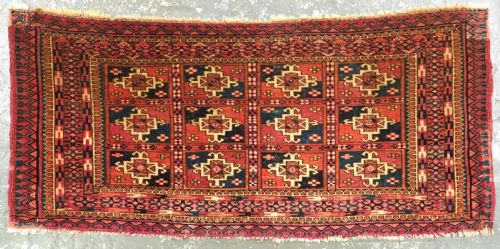
Buyers browsing this selection will frequently encounter complete storage bags alongside individual panels, bag faces, and fragments adapted into small kilims. The designs span tribal traditions including Tekke, Yomut, Ersari, and Shahsavan weaves, dating primarily from the nineteenth century down to the early twentieth century.
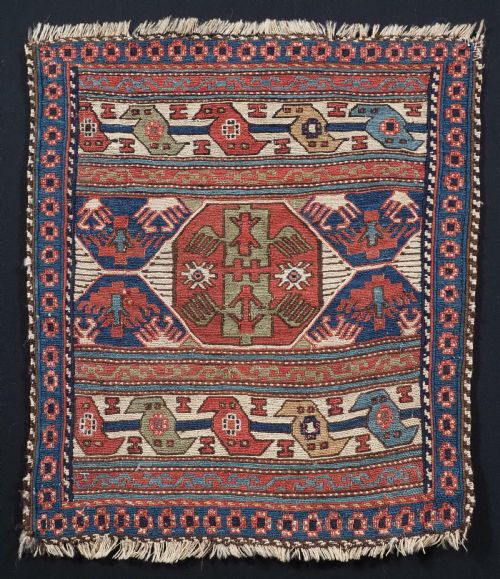
Many survivors reach the market as single faces or disassembled sides because nomadic families repurposed worn containers into flat rugs or smaller wall hangings. These textiles display distinct regional motifs such as gul medallions, banded flatweaves, and stylized bird or dragon figures.
How They Were Made
Weavers constructed these containers using hand-spun wool and natural vegetable dyes, yielding rich tones that stabilize and deepen with age. The structural integrity relies on sturdy linen foundations paired with dense wool pile or flatweave surfaces.
Techniques varied by region, encompassing soumak brocading, banded flatweaves, and plain weave backs that secured the contents during transport. Tribal makers utilised complex supplementary weft-wrapping methods to create raised geometric patterns that withstand heavy handling.
Antique Wool Mafrash Retail Price Guide 2026
Typical asking prices for wool mafrash among the pieces listed under this phrase on Sellingantiques today, from the lower quarter to the upper quarter. They describe what is for sale here now, not the wider market.
The inventory records pieces attributed to Caucasian, Turkmen, and Central Asian nomadic groups using soumak and flatweave techniques.
What Varies in Quality
Quality rests upon the crispness of the tribal drawing and the depth of the natural dyes used across the wool surface. Pieces retaining their original complete backs and structured side panels demonstrate superior survival and historical integrity.
The density of the weave and the complexity of the design, such as intricate gul arrangements or figurative bird and dragon motifs, separate standard utility examples from masterwork productions. Condition also plays a role, with intact structural elements preserving the original architectural form of the container.
The Antique Wool Mafrash Glossary
- Mafrash
- A large, rectangular storage bag or chest woven by nomadic tribes to transport and store household belongings. They typically form a box shape when fully assembled.
- Torba
- A smaller storage bag or wall hanging produced by Turkmen and Central Asian groups. These pieces often share design vocabulary with larger mafrash panels.
- Soumak
- A flatweave technique utilising a wrap-and-weft method that creates a textured, ribbed surface on the front of the textile. This method provides extra durability for heavy-use storage bags.
- Gul
- A medallion or primary repeating octagonal motif used extensively in Turkmen and Central Asian tribal weaving. Different tribes utilised specific gul patterns to identify lineage.
- Flatweave
- A textile constructed without pile by interlacing warp and weft threads directly. These surfaces lie completely flat and often feature bold geometric bands.
Antique Wool Mafrash: Frequently Asked Questions
How were antique mafrash bags used originally?
Nomadic families utilised these sturdy containers to pack bedding, clothing, and provisions inside tents and on the backs of camels or horses during seasonal migrations.
Once pitched at a campsite, the heavy woven chests served as interior storage furniture and seating within the dwelling.
How do I care for an antique wool textile?
Protect the wool from direct sunlight to prevent natural dye fading, and vacuum gently using low suction without a rotating brush.
Keep the textile in a dry, well-ventilated space and consult a specialist rug conservator for any necessary cleaning.
What is the difference between a mafrash face and a complete bag?
A complete mafrash includes the front, back, and side panels stitched together to form the original three-dimensional storage container.
A mafrash face represents only the decorative front panel removed after the structural sides wore away or were repurposed.
How can I tell which tribe made a piece?
Attribution relies on identifying specific design vocabulary, such as the repeating gul motifs associated with Tekke or Yomut weavers, or the Soumak technique favored by Shahsavan makers.
Palettes and structural weaves also provide strong clues regarding the geographic origin in the Caucasus or Central Asia.