
Antique Wool Kilim
An antique wool kilim brings the rich geometry of tribal weaving into a room, offering flat-woven durability and storied heritage.
Antique Wool Kilim
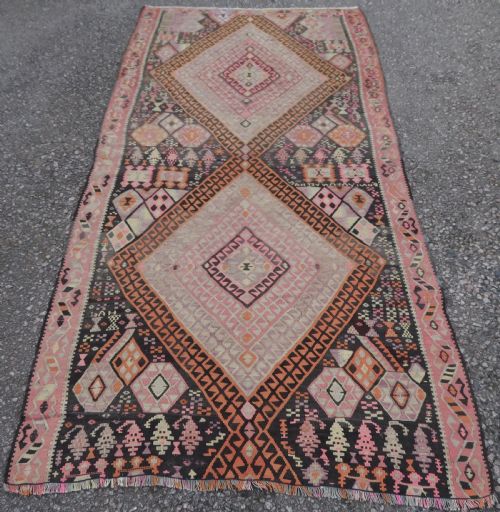
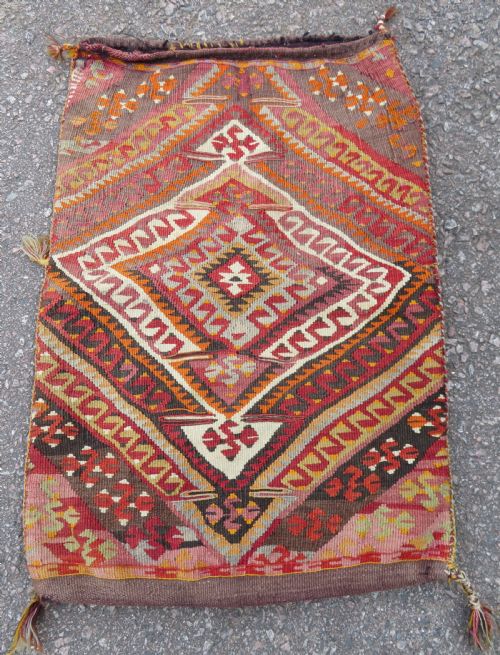
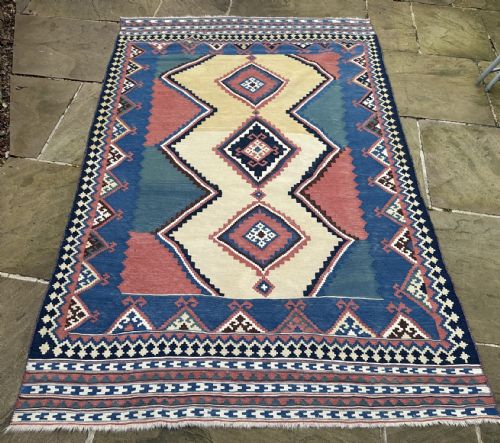
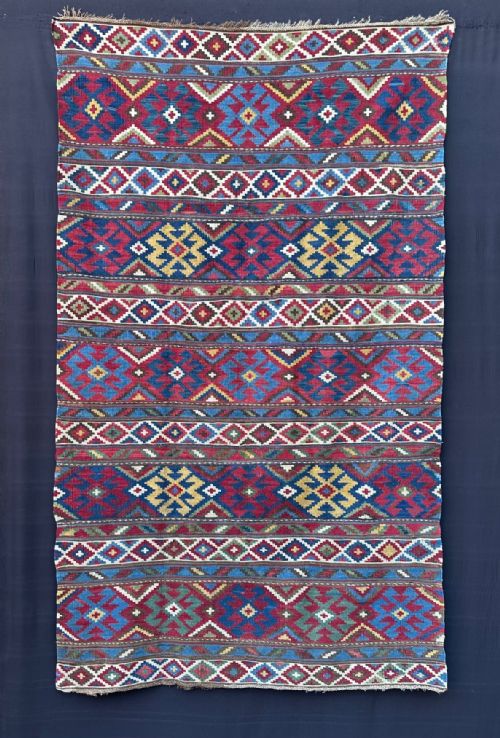
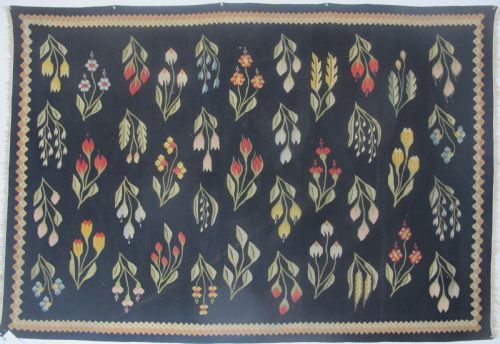
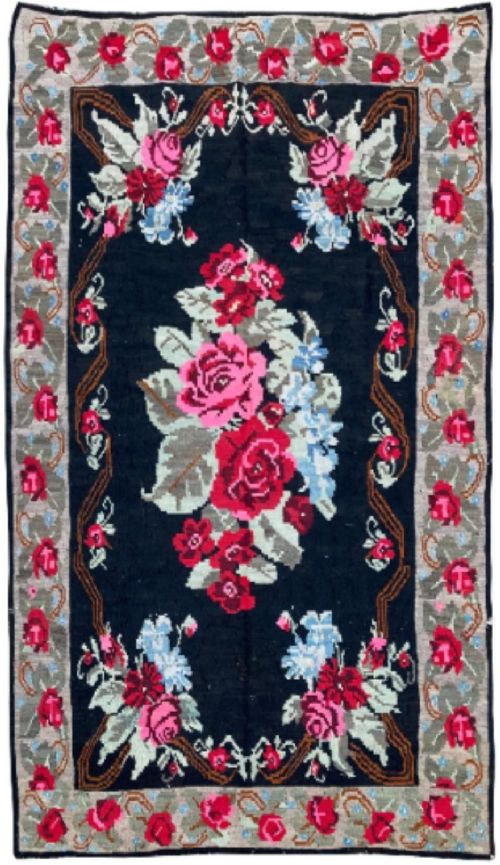
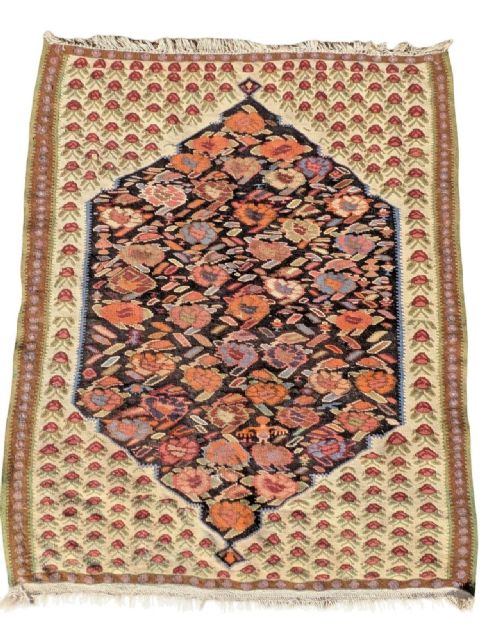
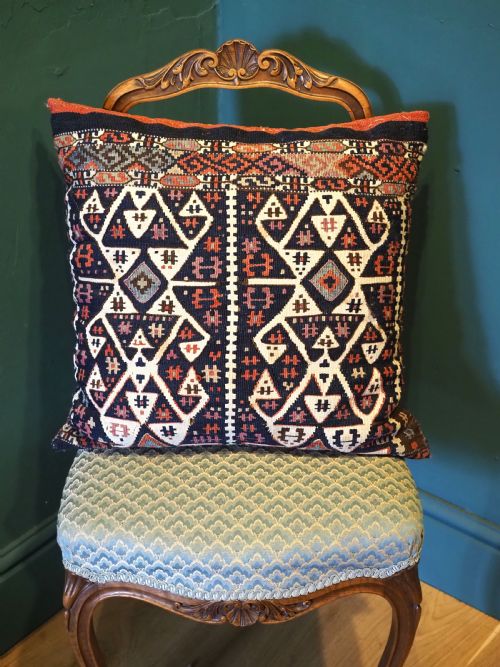
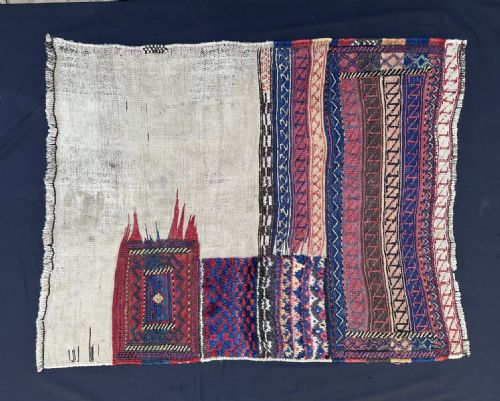
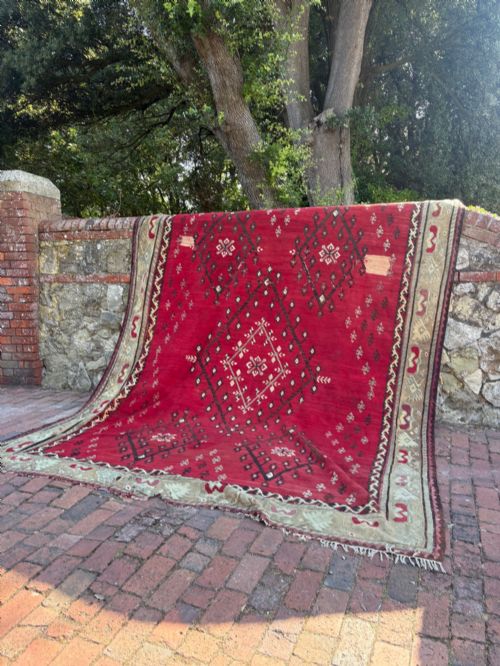
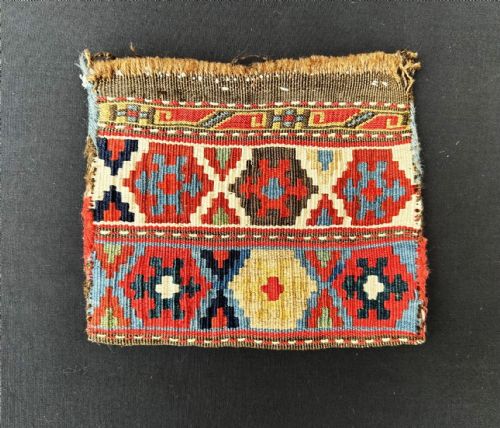
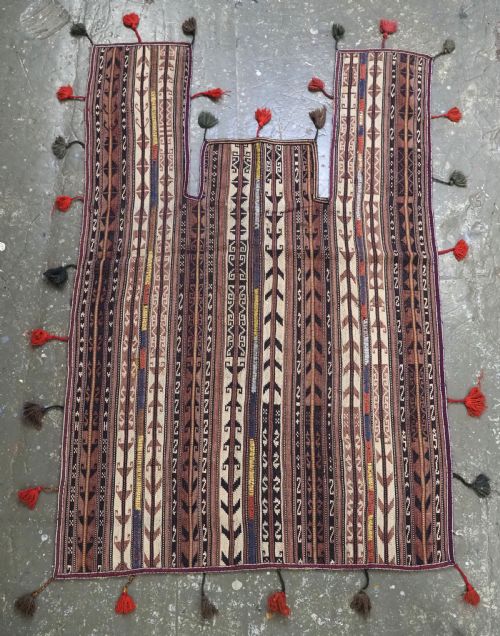
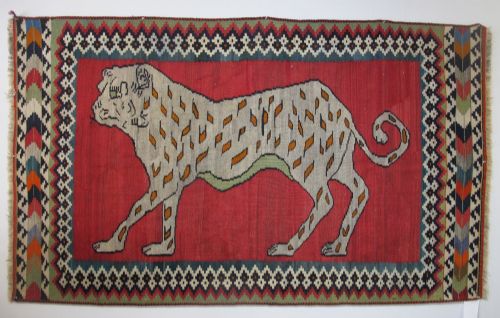
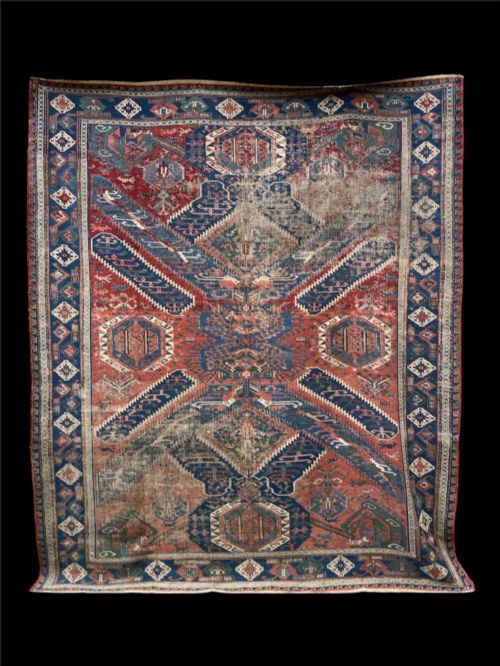
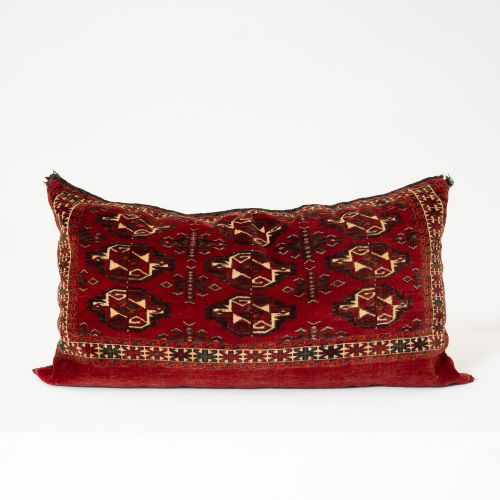
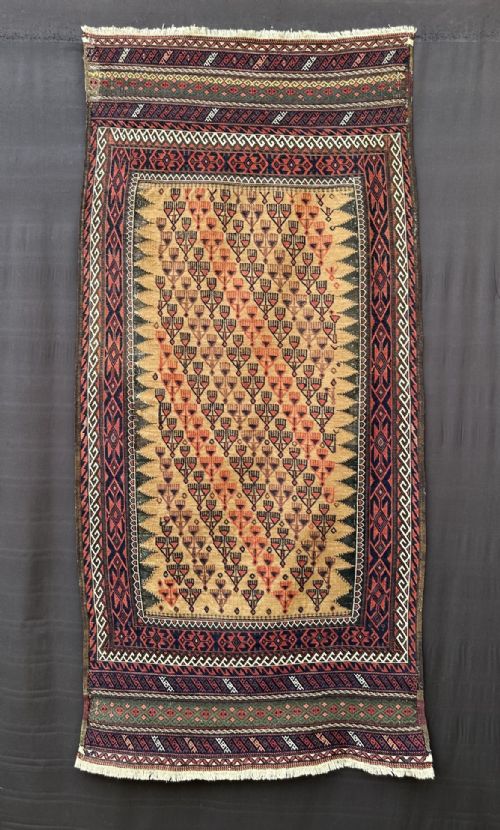
An antique wool kilim is a flat-woven textile created by nomadic and village communities across Persia, Anatolia, the Caucasus, and Central Asia. The pieces seen here span from the late nineteenth century to the mid-twentieth century, encompassing floor rugs, large carpets, and utilitarian items repurposed as cushions or wall hangings.
Buyers frequently encounter tribal room-size carpets, runner formats, and smaller household utilitarian items such as grain sacks, bread sofrehs, and saddle bags. Persian and Anatolian tribal regions dominate the selection, alongside Caucasian and Turkmen pieces characterised by distinct geometric vocabularies.
The utility of these textiles extends from traditional floor coverings to decorative wall panels and cushions. Each region imparts its own visual language, resulting in distinct palettes and symbolic motifs that reflect the specific heritage of the weavers.
Factors of Quality
Quality resides in the precision of the flat-weave structure, the fineness of the hand-spun wool, and the depth of the natural dye palette. Tighter interlacing yields a crisper geometric definition and a textile that resists sagging over time.
Integrity of design and originality of tribal motifs distinguish exceptional pieces from standard village work. The harmonious interaction of faded natural tones without harsh synthetic intrusion marks the upper tier of preservation.
Nomadic weavers occasionally embedded stray goat hairs into delicate wool carpets, a charming natural inclusion ensuring the spirits could not count the stitches and ruin the maker's eyesight.
The Antique Wool Kilim Glossary
- Kilim
- A flat-woven carpet or rug produced by tightly interweaving warp and weft strands without creating a pile. This technique produces a lightweight, reversible textile suitable for floors or wall hanging.
- Sofreh
- A flat-woven spread used traditionally for dining, kneading bread, or serving food in nomadic households. These square or rectangular textiles often feature symbolic central medallions.
- Warp
- The stationary lengthwise threads stretched on a loom that hold the tension of the weave. The visible fringe at either end of a textile consists of the extended warp threads.
- Weft
- The transverse threads passed horizontally through the warp to build the pattern and colour. In flat weaves, the weft completely obscures the warp to display the design.
- Sumak
- A wrapping technique used in carpet and kilim production that creates a textured, raised surface resembling embroidery. This method adds structural strength and visual relief to flat-woven pieces.
Antique Wool Kilim: Frequently Asked Questions
What is an antique wool kilim?
An antique wool kilim is a flat-woven textile produced by tribal and village weavers, primarily from Persia, Anatolia, and the Caucasus, during the nineteenth and early twentieth centuries.
Unlike knotted pile carpets, these pieces are constructed by tightly interweaving coloured weft threads over vertical warps, resulting in a durable, reversible fabric with distinct geometric designs.
How were kilims used originally?
Nomadic and village communities utilised flat-woven textiles for multiple practical purposes within daily life, including floor coverings, bedding storage, and animal trappings.
Specialised forms also served as dining cloths, grain containers, and ceremonial covers for horses or camels during tribal migrations.
How do I care for an antique kilim?
Regular gentle vacuuming without a beater bar removes dust and prevents grit from settling between the tight flat-weave fibres. Professional textile cleaning is recommended for deeper maintenance to protect natural wool and historic dyes.
Using a quality rug underlay prevents slipping and cushions the flat textile against hard flooring.
How can I tell regions apart?
Regional attribution is determined by specific geometric motifs, structural weaving techniques, and the characteristic palette of the natural dyes used. Anatolian and Persian tribal pieces often display bold medallions, whereas Caucasian designs favour sharp, angular polygons and striking linear borders.