

Antique Wool Cover
When you search for an antique wool cover, you are looking at tactile tribal textiles and ceremonial horse blankets woven across Central Asia, Persia, and Anatolia.
Antique Wool Cover
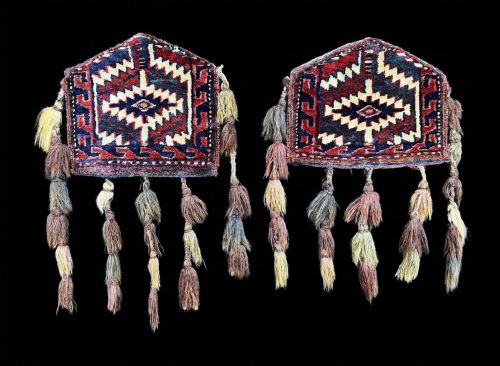
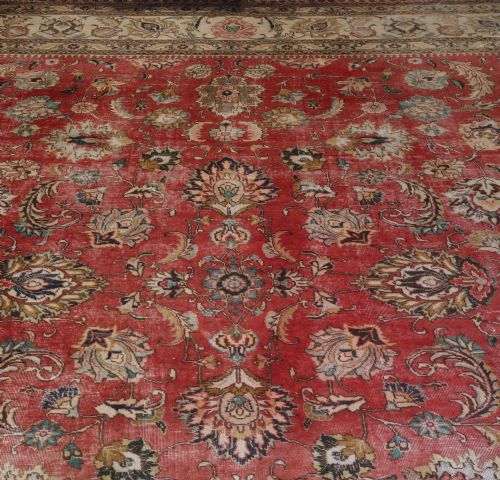
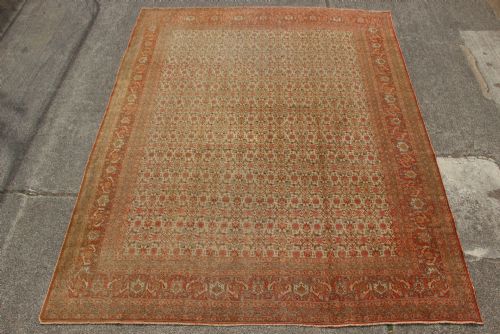
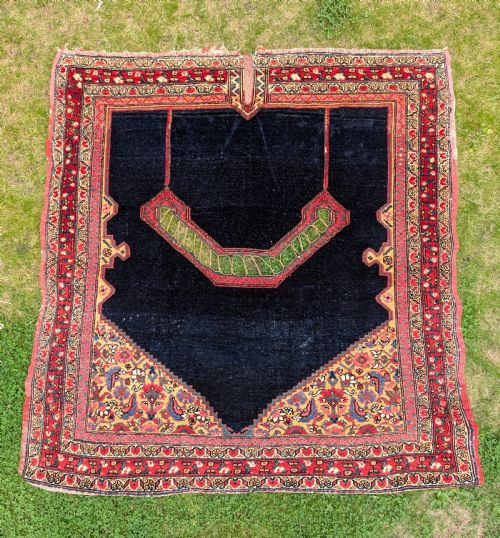
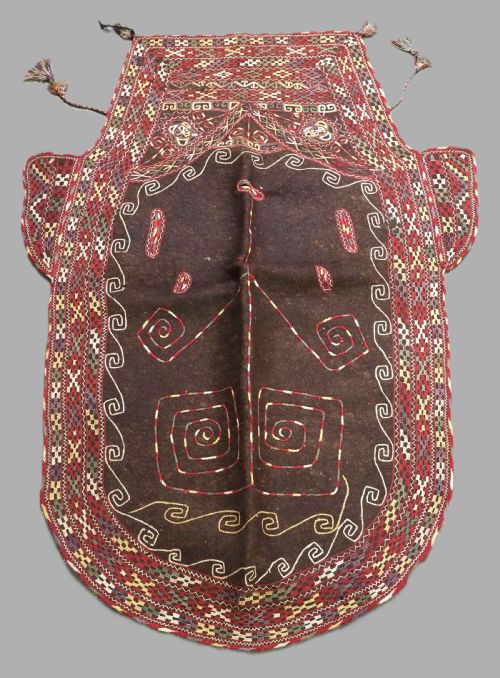
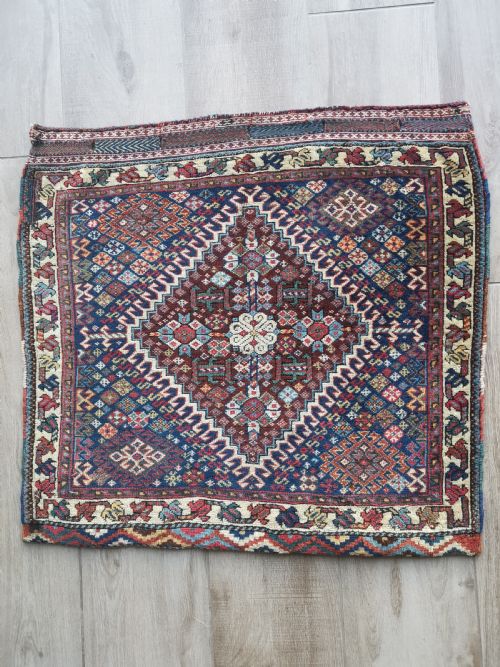
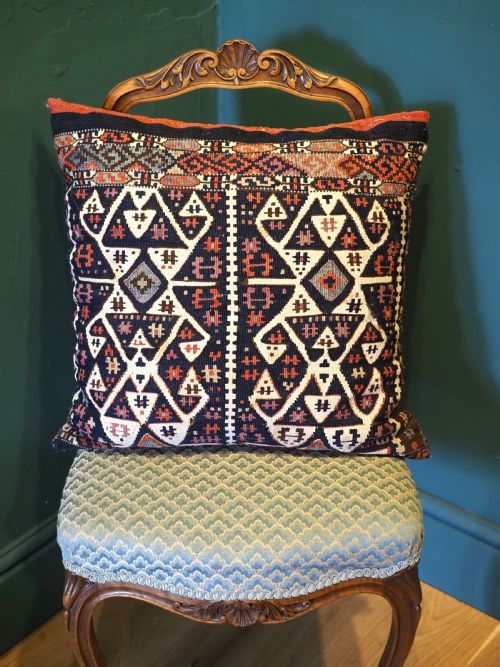
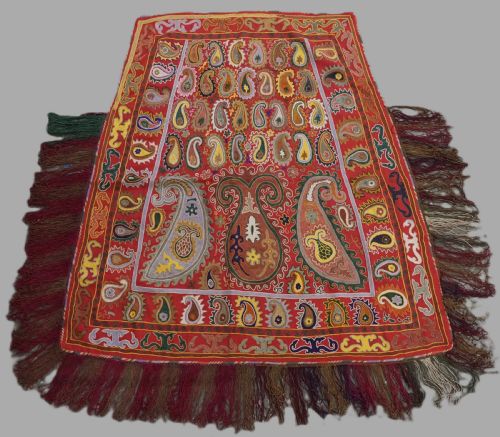
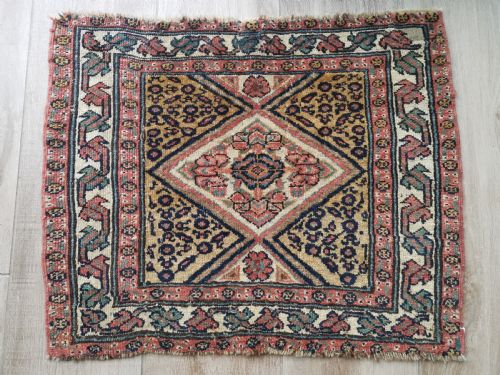
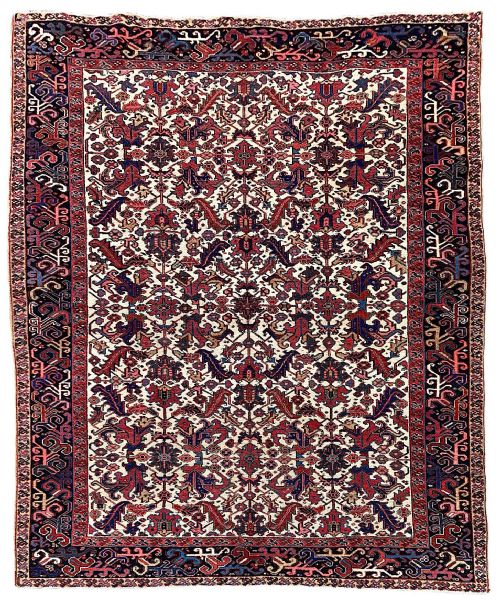
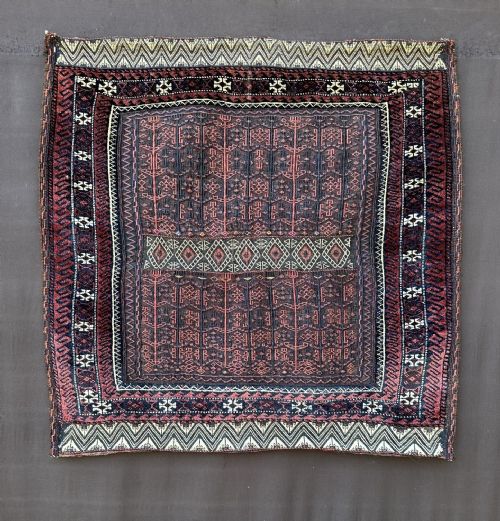
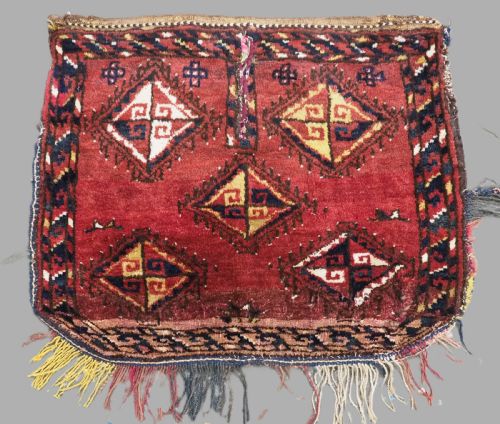
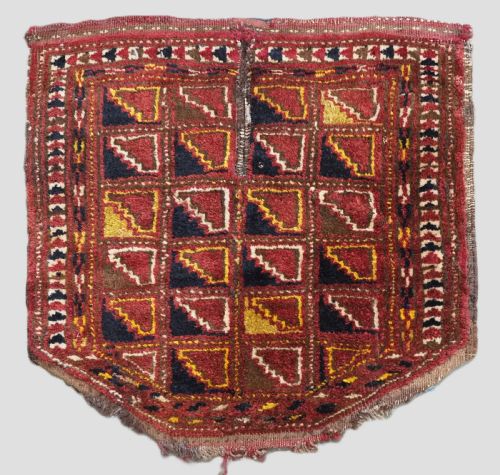
An antique wool cover encompasses a diverse range of tribal weavings, including saddle rugs, horse blankets, and storage bags created by nomadic and village groups. When browsing this selection, collectors regularly encounter Turkmen pieces from the Trans-Caspian steppes alongside Uzbek, Baluch, and Persian examples dating from the nineteenth and early twentieth centuries. These textiles served practical and ceremonial functions within nomadic daily life, ranging from horse adornment to household storage.
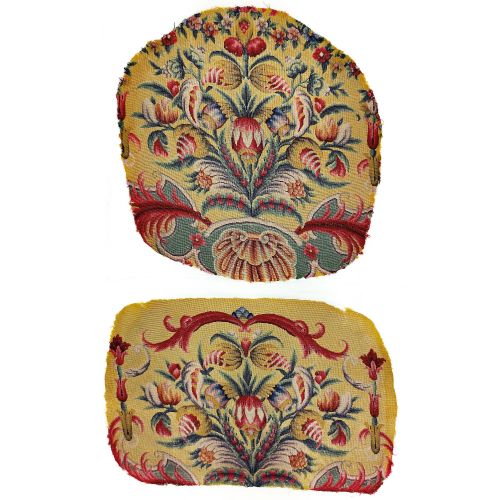
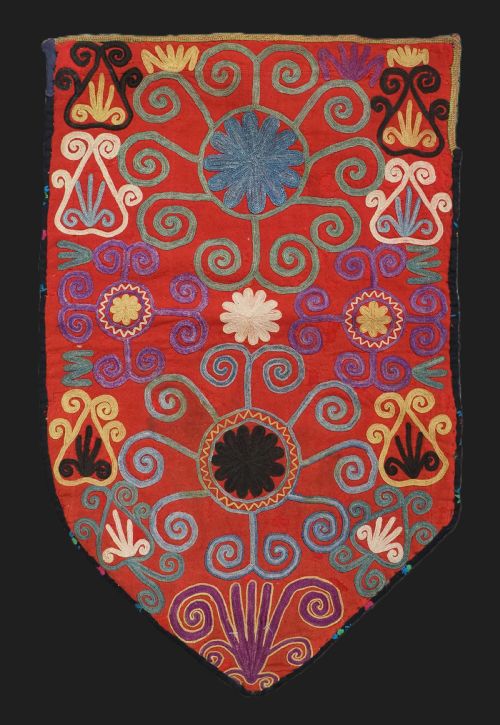
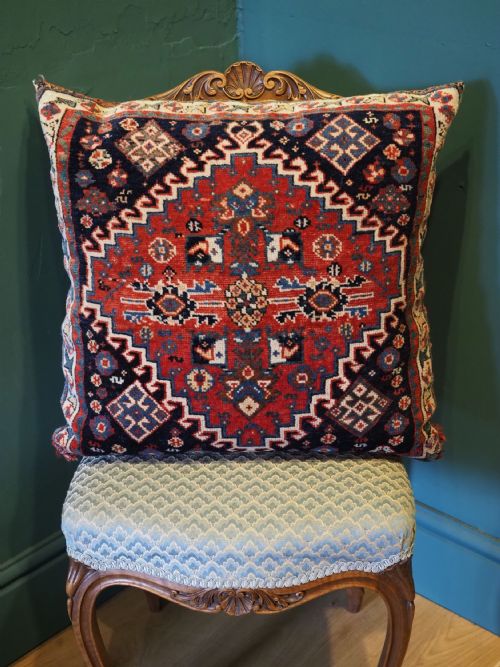
The assortment on this page leans heavily toward utilitarian and ceremonial textiles rather than standard floor carpets. Pieces such as Yomut Turkmen horse covers, Lakai embroidered blankets, and saddle bag cushions dominate the inventory. Each object reflects the distinct visual vocabulary of the specific tribe that produced it, employing traditional geometric motifs and regional colour palettes.
Evaluating quality and execution
The distinction between ordinary and exceptional examples rests on the handling of materials and the precision of the tribal design. Superior pieces display finely spun wool, saturated natural dyes that have aged gracefully, and crisp execution of motifs such as guls or tribal medallions. The presence of original structural elements, including complete tassels and intact wool backs, elevates the historical integrity of a textile.
Design clarity and regional authenticity also separate high-tier specimens from lesser works. A master weaver achieves a harmonious balance of colour and proportion, ensuring that traditional symbols remain distinct and structurally sound. The overall density of the weave and the suppleness of the wool further indicate the skill invested in the creation of the cover.
Antique Wool Cover Retail Price Guide 2026
Typical asking prices for wool cover among the pieces listed under this phrase on Sellingantiques today, from the lower quarter to the upper quarter. They describe what is for sale here now, not the wider market.
Many a nomadic horse stepped out in finer embroidery than its rider ever wore.
The Antique Wool Cover Glossary
- Gul
- A primary octagonal medallion motif frequently found in Turkmen weavings. Each tribe utilised distinct variations of these guls to denote lineage and identity.
- Torba
- A small storage bag produced by nomadic tribes for household use. These rectangular containers were traditionally hung inside tents to store personal possessions.
- Mafrash
- A large storage bag or face used for bedding and household goods during nomadic migrations. They often feature banded flatweave designs or elaborate pile work.
- Sofreh
- A spreading cloth used for kneading bread or sharing meals within pastoral communities. These flatwoven textiles often display minimalist geometric compositions.
- Kelim
- A flatwoven textile created by tightly interweaving warp and weft strands without producing a pile. This technique yields a lightweight, reversible fabric.
Antique Wool Cover: Frequently Asked Questions
How were horse covers used?
Nomadic tribes utilised ceremonial horse blankets and saddle covers to adorn animals during weddings, festivals, and important tribal gatherings. These textiles displayed the wealth and status of the owner through elaborate embroidery and distinctive tribal motifs.
Beyond ceremonial displays, many sturdy wool covers provided protection against the elements during long migrations across the steppes and mountain passes.
How do I identify tribal origins?
Identifying the origin of a textile requires examining the specific design vocabulary, structural techniques, and colour palette employed by the weaver. Turkmen tribes, for instance, frequently utilised repeating guls, while Uzbek Lakai groups favoured distinct chain-stitch embroidery.
Comparing structural details like edge finishes and wool preparation helps narrow down whether a piece belongs to Baluch, Qashqai, or Anatolian traditions.
How do I care for wool textiles?
Displaying antique wool textiles safely involves keeping them away from direct sunlight to prevent natural dye fading. Gentle vacuuming through a mesh screen helps remove dust without damaging fragile hand-spun fibres.
Allowing the wool to breathe and avoiding humid environments will help preserve the structural integrity of these historic covers for years to come.