

Antique Wooden Tool
An antique wooden tool is an honest piece of working history, valued for the grain, the hand-cut joint, and the utility that survived its working life.
Antique Wooden Tool
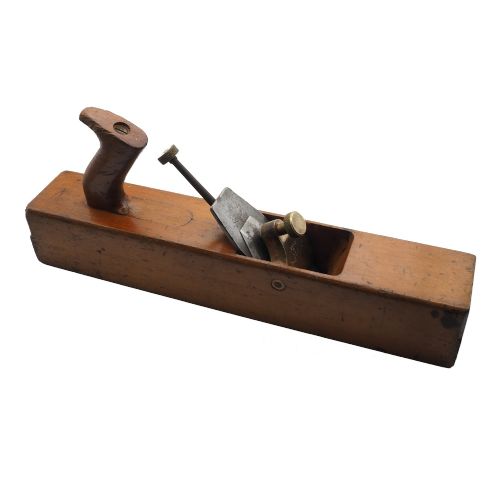
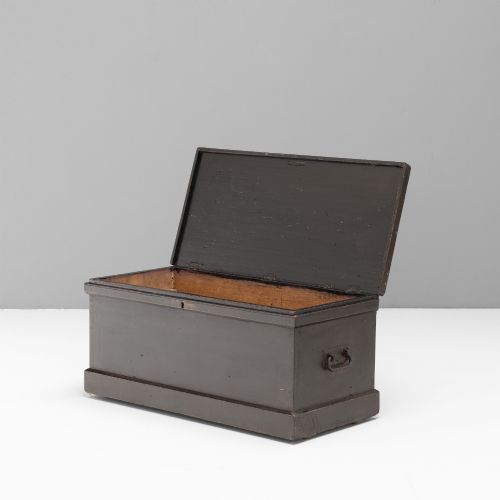
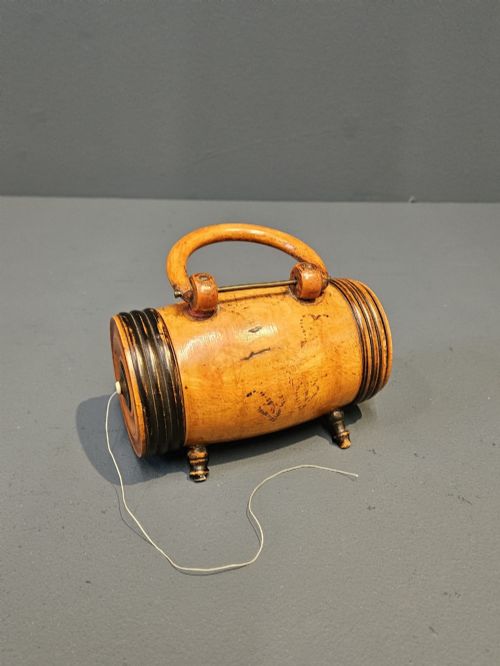
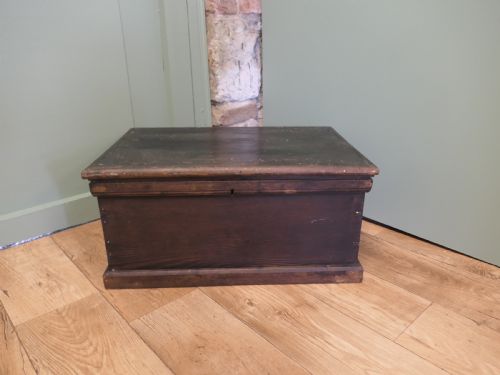
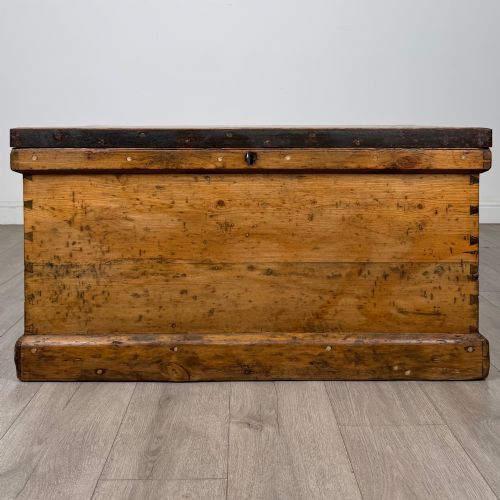
When you search for an antique wooden tool, you encounter diverse utilitarian objects shaped by trade, craft, and domestic labour across past centuries. The selections range from utilitarian carpenter chests and pine storage boxes to specialised implements like knitting sheaths, milliner hat stretchers, and panel planes.
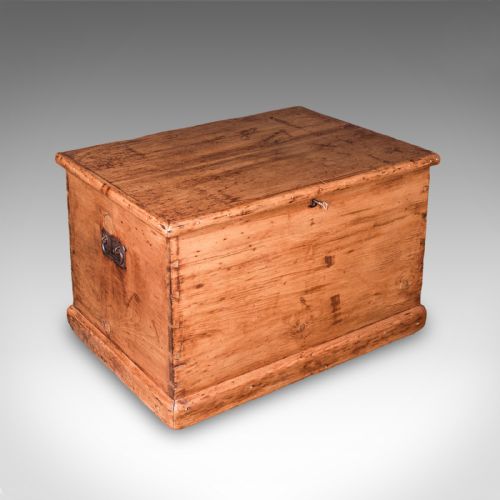
The pieces present on this page originate predominantly from the nineteenth century, alongside items reaching back into the eighteenth century and forward into the Edwardian era. You find objects reflecting rural trade, such as artisan trrugs and hay rakes, alongside fitted workshop chests designed for cabinet makers.
Forms vary from small treen items carried in the pocket or kept on a desk to substantial trunks and portable tool cabinets built for heavy trade use. The common thread is a purpose driven entirely by function, whether measuring time, shaping timber, or storing correspondence.
Construction and materials
Makers utilised available timbers suited to the duty of the object, combining dense fruitwoods, beech, and mahogany with durable structural pine and pitch pine. Iron, brass, and steel components reinforced high-stress areas such as corners, hinges, and cutting edges.
Construction relied on traditional joinery methods appropriate to utility, including dovetailed boxes, draw bore pins, and turned elements. Surfaces display the marks of hand tools, plain wax finishes, or simple painted decorations like poker work without superfluous embellishment.
Antique Wooden Tool Retail Price Guide 2026
Typical asking prices for wooden tool among the pieces listed under this phrase on Sellingantiques today, from the lower quarter to the upper quarter. They describe what is for sale here now, not the wider market.
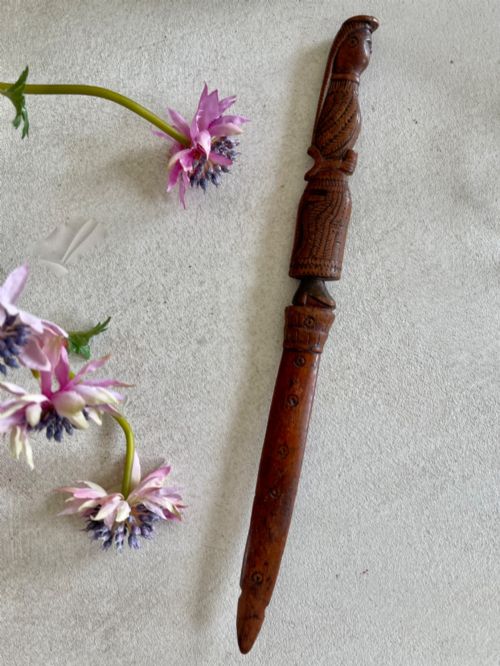
A prisoner of war carved a wooden letter opener in Siberia during World War One, leaving a tangible trace of distant history.
What distinguishes quality
Quality rests in the integrity of the joinery and the selection of timber, where tightly fitted dovetails and well-chosen grain separate standard utility items from superior workshop output. The presence of maker marks, such as those from established plane makers or specialist firms, indicates a higher grade of production.
Preservation of original surfaces and working hardware defines the better examples, showing honesty of wear rather than replacement parts. Well-considered proportion and intentional detailing, such as inlaid geometric patterns on treen, distinguish items made with care from purely rudimentary work.
Norris London·Holtzapffel and Co·Liberty & Co·Gnome Et Le Rhone Engine Company
The Antique Wooden Tool Glossary
- Treen
- Small handmade wooden objects for domestic or personal use. They are collected for their tactile surfaces and varied domestic forms.
- Panel plane
- A specialised woodworking plane used for smoothing large boards. These tools often feature maker stamps and intricate wedge adjustments.
- Knitting sheath
- A small carved wooden sleeve tucked into a belt to hold a knitting needle steady. They frequently display folk art carvings and local patterns.
- Hat stretcher
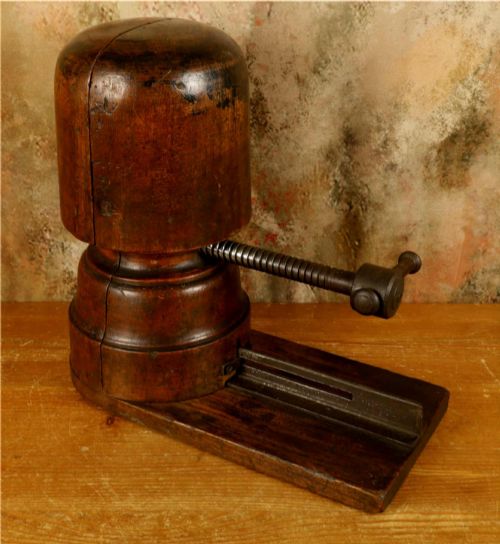
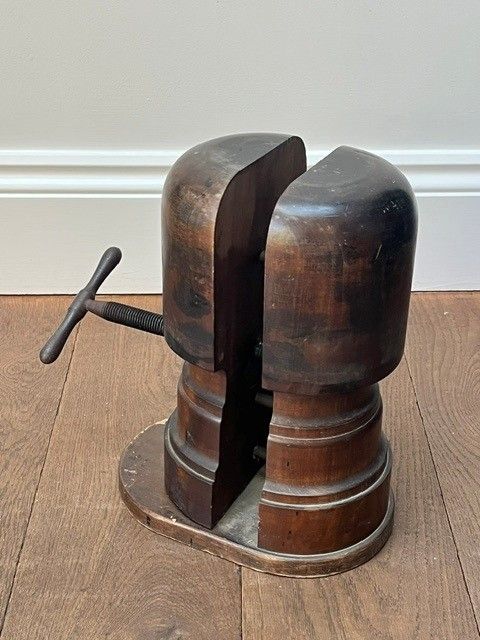
- A mechanical wooden block used by milliners to expand and size hats. They utilise internal wedges and screws to adjust the diameter.
Antique Wooden Tool: Frequently Asked Questions
How were knitting sheaths used?
Knitting sheaths were tucked into the waist belt or apron strings of a crafter to anchor one needle securely during rapid working. This method freed the hands for faster manipulation of yarn.
They appear in various regional shapes, occasionally carved with folk art motifs or initials by the maker.
What is a milliner hat stretcher?
A milliner hat stretcher is a segmented wooden block designed to resize and shape hats during manufacture or repair. Turning a central screw expands the wooden segments outward.
These objects double as display stands and show functional carpentry designed for daily trade use.
How do I care for antique pine boxes?
Antique pine boxes require stable indoor humidity and protection from direct sunlight to prevent the timber from splitting. Dust them gently with a dry cloth rather than applying modern polishes.
Wax finishes can be maintained occasionally with a traditional beeswax formulation to preserve the surface sheen.
What distinguishes a cabinet maker chest?
A cabinet maker chest is built with robust joints, internal fitted drawers, and compartments specifically arranged to protect fine hand tools. The construction utilises durable timbers like pine or mahogany with reinforced iron or brass hardware.
These pieces reflect the personal standards of the tradesman who built and used them daily.