

Antique Wooden Tier Shelves
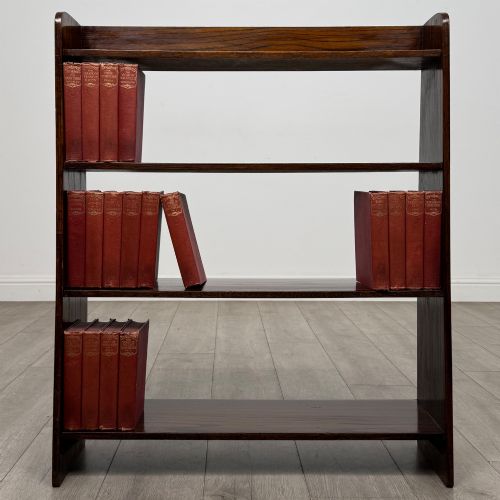
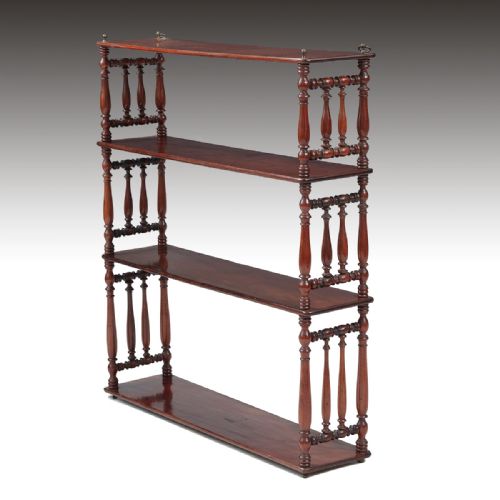
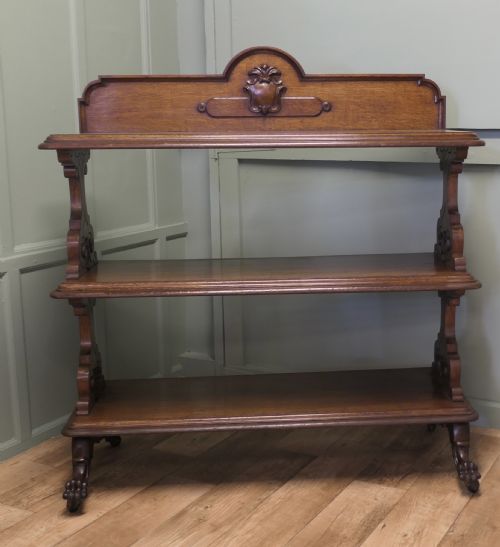
These antique wooden tier shelves bring stacked display surfaces into daily life, offering practical levels for books and small objects in any room.
Antique Wooden Tier Shelves
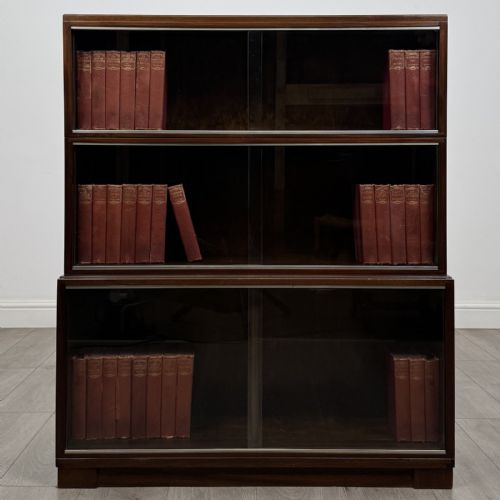
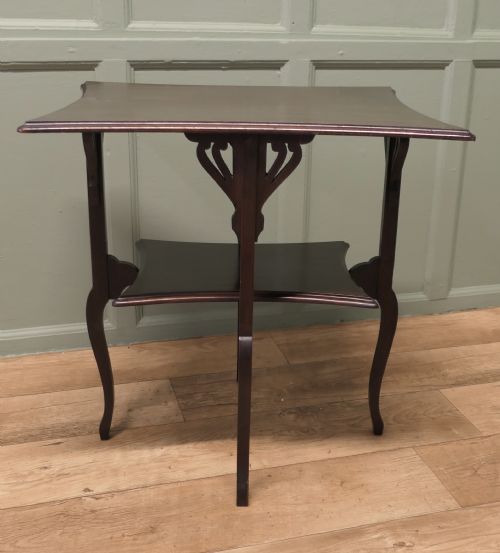
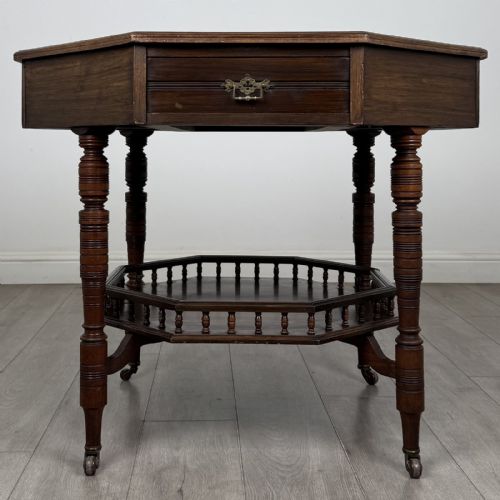
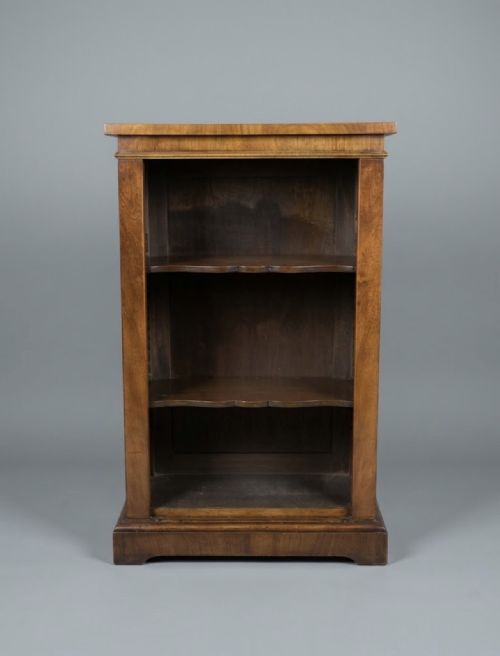
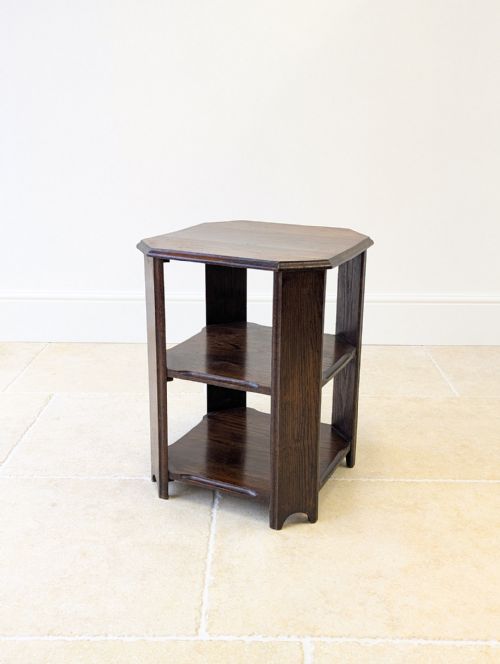
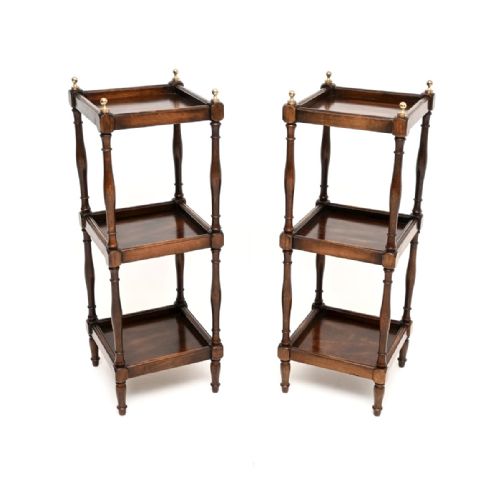
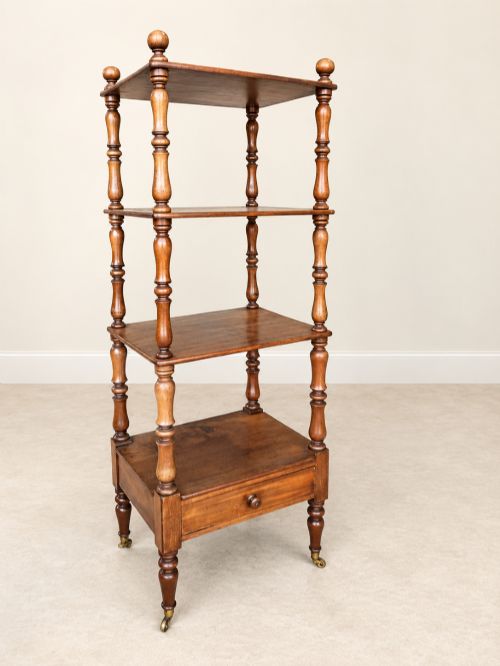
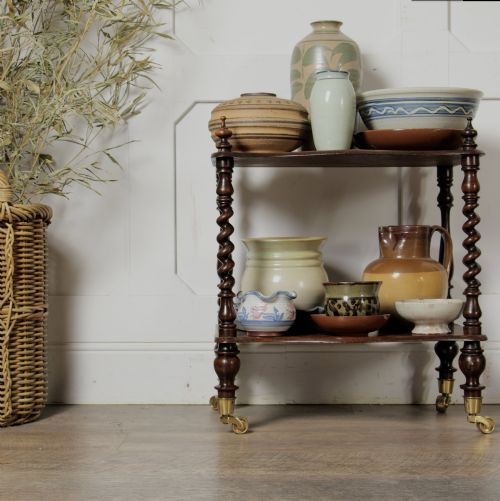
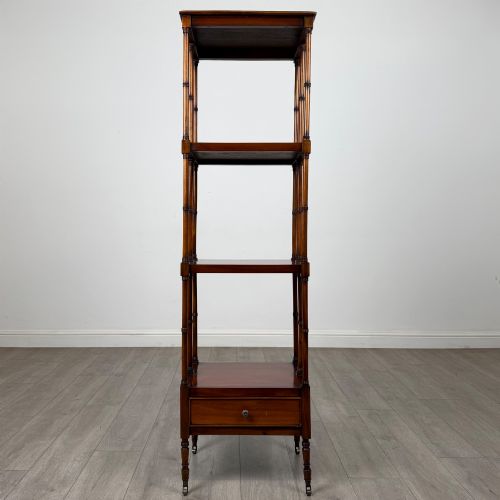
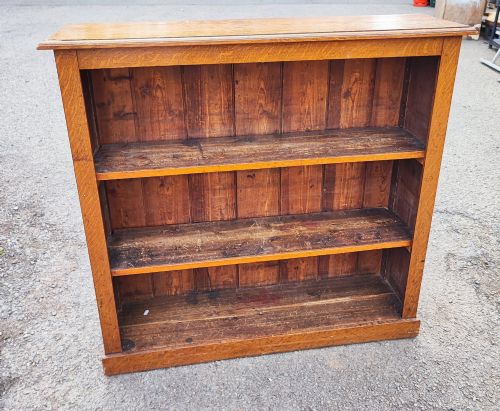
When searching for antique wooden tier shelves, buyers encounter multi-level furnishings designed to organise books and display decorative objects across distinct levels. The selections on this page span the nineteenth century through the early twentieth century, taking the form of whatnots, wall shelves, open bookcases, and multi-tier buffets.
Victorian and Edwardian examples appear frequently, alongside Regency pieces and items dating around nineteen hundred. Woods such as mahogany, oak, and walnut predominate, shaped into corner units, waterfall bookcases, and hanging shelves that reflect the domestic habits of their respective periods.
Materials and construction
Cabinet makers utilised dense hardwoods including mahogany, oak, walnut, padauk, and satin birch, often selecting figured veneers for visible surfaces. Structural elements frequently incorporate brass for castors and fittings, whilst pine serves secondary framing roles in utilitarian pieces.
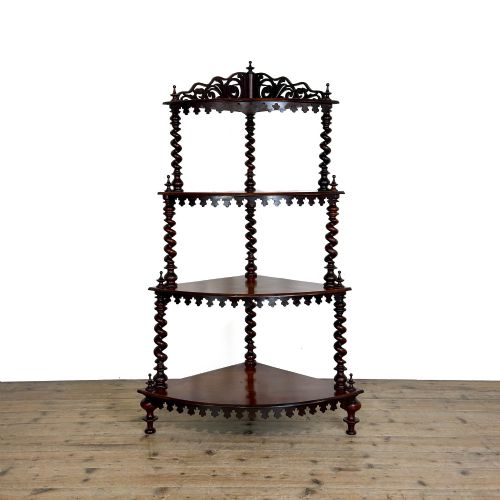
Joinery techniques ranged from turned barley twist supports and carved uprights to stacked sectional frames such as barrister bookcases. Surfaces received polished or waxed finishes that highlighted the natural grain of the timber used in each tier.
The documented periods span the Regency era, the Victorian period, Edwardian production, and the Arts and Crafts movement.
Standards of manufacture
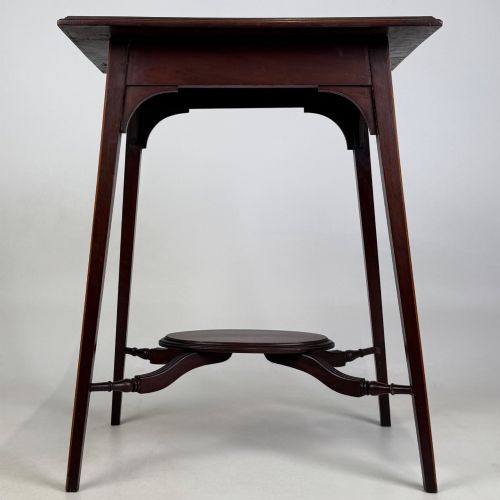
Superior examples demonstrate careful selection of timber matching across multiple tiers, whilst simpler items rely on plain boards and straightforward construction. The crispness of carved details, such as those found on Victorian buffets or Arts and Crafts tables, separates standard workshop production from finer cabinet work.
Structural stability across multiple levels relies on the integrity of the uprights and joints. Pieces retaining original brass castors and uncompromised shelves represent a higher grade of preservation than heavily altered or later assembled units.
The Antique Wooden Tier Shelves Glossary
- Whatnot
- A piece of furniture consisting of several open shelves for small objects or books. These originated in the eighteenth century and remained popular throughout the Victorian era.
- Waterfall bookcase
- A set of open shelves where each tier steps back progressively from the one below, creating a sloping profile. This form appeared frequently in Regency and nineteenth century cabinet making.
- Barley twist
- A turned wooden column carved in a spiral resembling a stalk of barley. This decorative detail occurs commonly on seventeenth century revival and Victorian stands.
- Etagere
- A French term for a piece of furniture with a series of open shelves for displaying ornaments. They share similarities with the English whatnot.
- Barrister bookcase
- A modular bookcase featuring glazed stacking sections with upward-opening doors. These units allowed libraries to expand by adding tiers vertically.
Antique Wooden Tier Shelves: Frequently Asked Questions
What rooms suit these shelves?
Multi-tier wooden shelves fit well in sitting rooms, studies, and hallways where vertical storage preserves floor space while holding books or ceramics.
Corner units and wall-mounted versions utilise awkward spaces effectively without crowding the room.
How do I date a set of shelves?
Dating relies on timber selection, construction methods, and stylistic cues such as turned uprights or carved ornamentation. Victorian and Edwardian pieces often display heavier proportions compared to lighter Regency designs.
Hardware like original brass castors also helps establish the production period.
Are these shelves sturdy enough for heavy books?
Solid mahogany and oak open bookcases or stacking units were built to support substantial volumes. Lighter wall shelves and smaller whatnots suit display items and lighter reading material rather than heavy folios.
Checking the joints and upright supports determines a piece's load-bearing capacity.
What is the difference between a whatnot and a bookcase?
Whatnots feature open shelves on all sides, primarily designed for displaying ornaments and small decorative objects in principal rooms. Bookcases provide enclosed or open storage specifically proportioned for holding rows of books.
Many nineteenth century examples blur these categories by combining display tiers with small cupboards.