





Antique Wooden Stationery
These antique wooden stationery pieces bring order to a desk with traditional craftsmanship and fine timber.
Antique Wooden Stationery
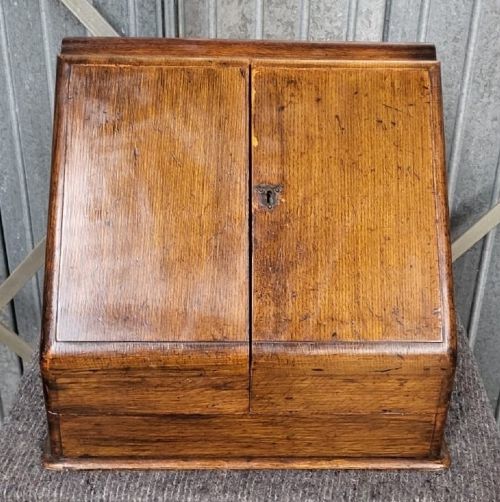
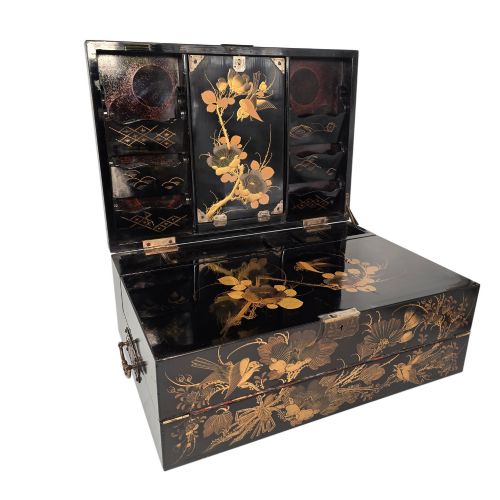
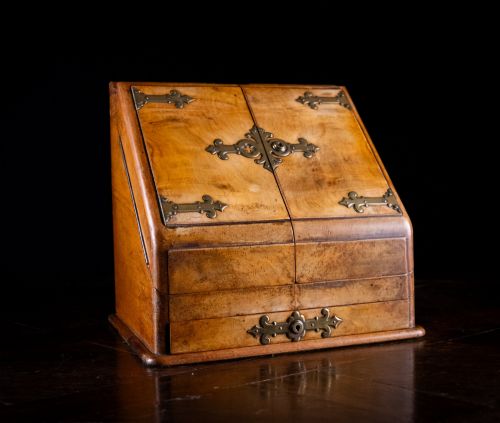
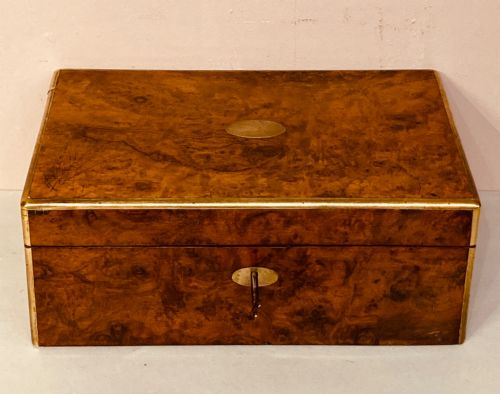
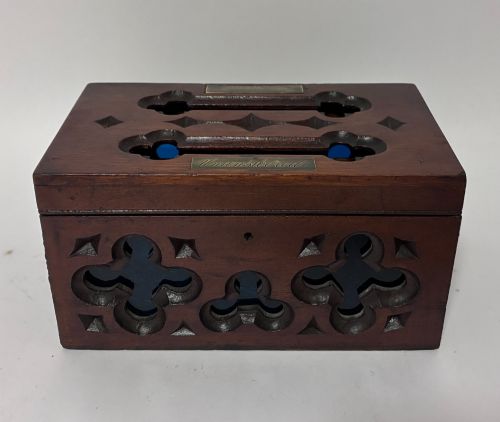
When searching for antique wooden stationery, buyers encounter functional desk furnishings designed to organise correspondence and writing materials. These pieces include writing slopes, stationery boxes, letter boxes, and filing cabinets.
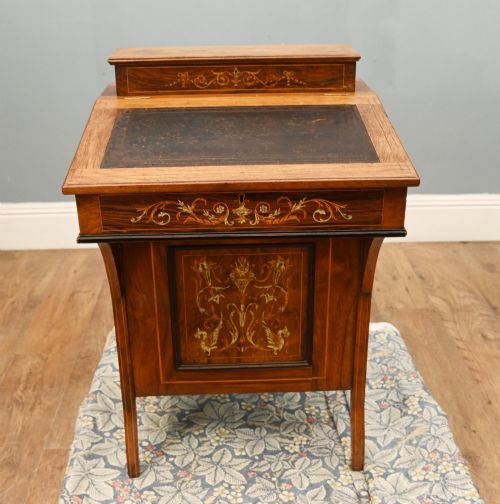
The selections span multiple periods, with Victorian and nineteenth-century examples appearing most frequently alongside Georgian and Edwardian pieces. Forms range from portable campaign writing boxes to large stationary cabinets and Davenport desks.
Makers utilised various timber varieties to construct these utilitarian objects, often incorporating fitted interiors, glass elements, and metal hardware. The assortment reflects the administrative needs and writing habits of past eras.
Materials and construction techniques
Cabinet makers constructed these pieces from dense hardwoods such as mahogany, walnut, burr walnut, rosewood, oak, and camphor wood. These timbers provided the durability required for daily desk use and portable campaign furniture.
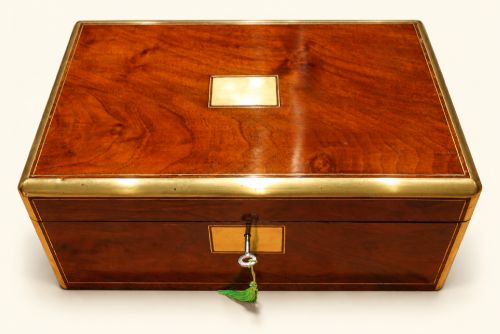
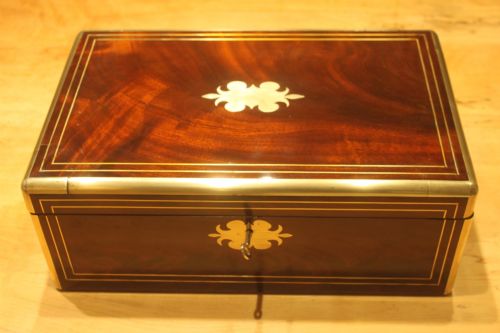
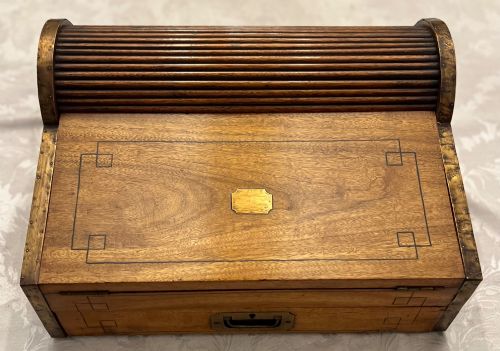
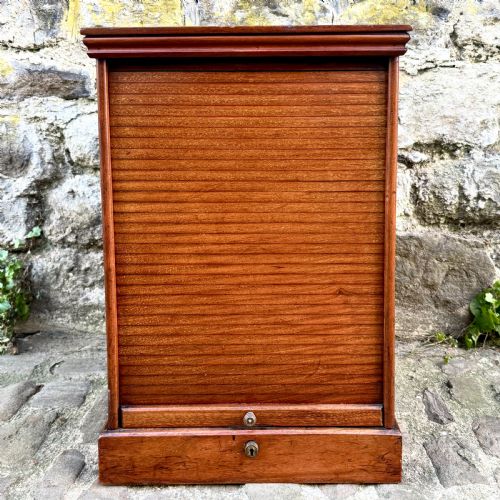
Workshops embellished the timber using brass binding, brass inlay, and bone details, alongside specialised decorative techniques like Tunbridge ware. Interiors often featured fitted compartments, leather writing surfaces, and tambour fronts.
Antique Wooden Stationery Retail Price Guide 2026
Typical asking prices for wooden stationery among the pieces listed under this phrase on Sellingantiques today, from the lower quarter to the upper quarter. They describe what is for sale here now, not the wider market.
Distinctions in quality
Quality rests in the selection of figured timbers, such as burr walnut and satinwood, paired with precise brass inlay and robust dovetail joinery. Finer examples display meticulous attention to internal fittings, secret drawers, and operational mechanisms.
Simpler utilitarian pieces made from oak or plain mahogany prioritise straightforward construction over decorative embellishment. The presence of specialised regional styles, such as Anglo-Indian carving or Tunbridge ware mosaics, elevates the distinction of individual items.
Edmund Nye
The Antique Wooden Stationery Glossary
- Writing slope
- A portable box with a hinged sloping lid designed to hold writing equipment and provide an angled surface for writing. These often feature internal compartments for inkwells and paper.
- Stationery box
- A desktop cabinet with tiered or compartmented interiors specifically arranged for holding envelopes, writing paper, and correspondence. Many include hinged lids or folding doors.
- Campaign box
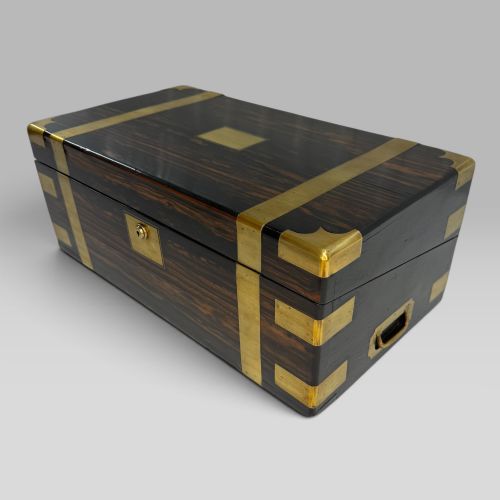
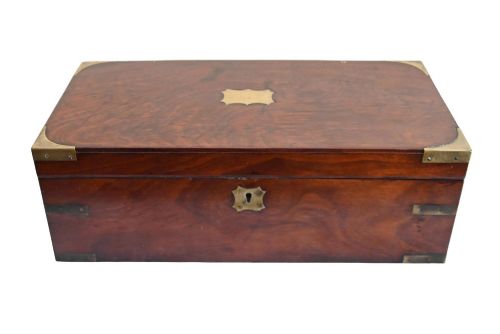
- Furniture constructed in sections or with protective brass corners for military officers and travellers on the move. These pieces prioritise robust timber and secure locking mechanisms.
- Tambour
- A flexible sliding shutter formed from narrow strips of wood glued to a fabric backing, commonly seen on office cabinets and desks. This mechanism conceals interior pigeonholes while saving desk space.
- Tunbridge ware
- Small wooden decorative items adorned with mosaic patterns formed from tiny wood blocks of various natural colours. This technique creates detailed geometric or pictorial designs on boxes and stationery cases.
- Davenport desk
- A compact writing desk featuring a small sloped writing surface above a pedestal of drawers. The design combines storage with a modest footprint suited to Victorian parlours.
Antique Wooden Stationery: Frequently Asked Questions
What is a writing slope used for?
A writing slope provides a portable desk surface and storage compartment for paper, ink, and pens. Users opened the hinged lid to reveal fitted wells and slanted writing boards.
These boxes allowed individuals to write letters comfortably while travelling or sitting at household tables before dedicated writing desks became standard.
How do I identify a Victorian stationery box?
Victorian stationery boxes frequently feature rich timbers like burr walnut, rosewood, and mahogany. They often incorporate brass mounts, campaign-style handles, or tiered interior partitions designed for envelopes.
Later Victorian versions may also display Gothic revival influences, Tunbridge ware decoration, or specialised compartments for correspondence and post.
What woods were used for campaign boxes?
Campaign boxes typically utilise durable hardwoods capable of withstanding travel, including mahogany, camphor wood, and oak. Cabinet makers reinforced these boxes with brass corners and flush-fitting handles to prevent damage.
Internal compartments often included secure locking mechanisms to keep contents safe during transit across distant regions.
Where should I place a stationery cabinet?
Stationery cabinets sit well on top of desks, sideboards, or tables where they can continue to hold papers and small desk accessories. Their enclosed compartments protect contents from dust while keeping everyday items organised.
Placement in studies, living rooms, or hallways allows these functional antiques to blend utility with traditional wood finishes.