
Antique Wooden Stand
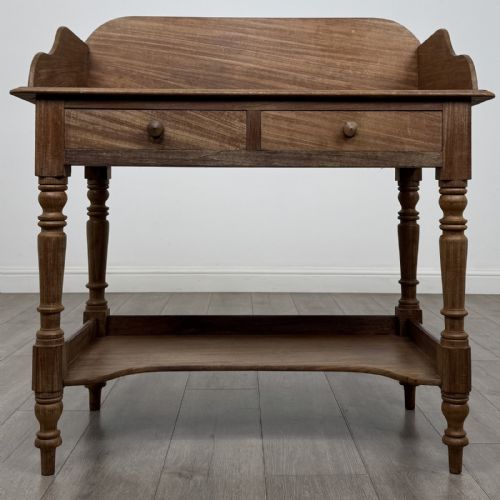
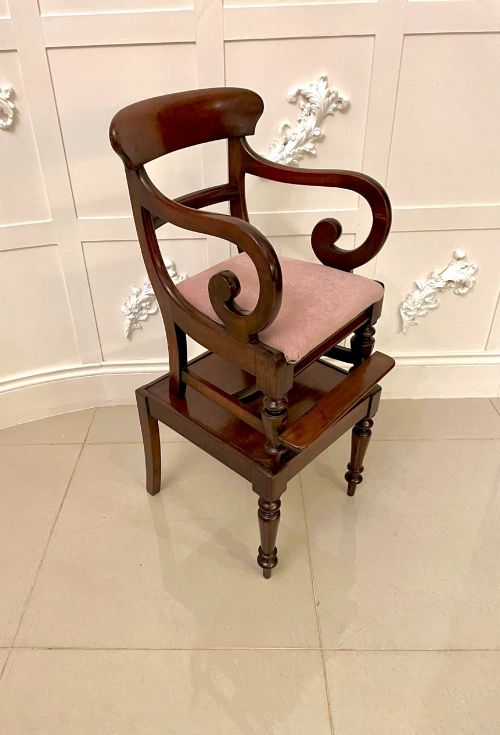
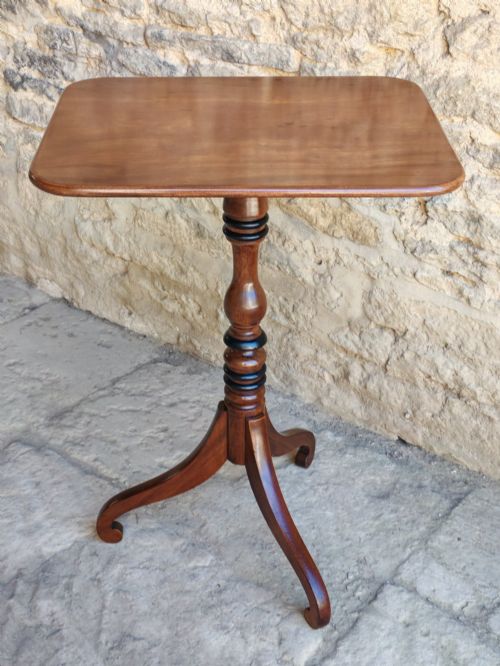
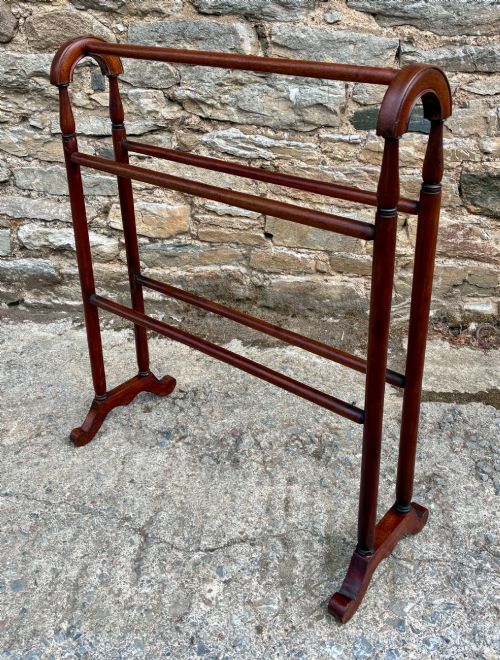
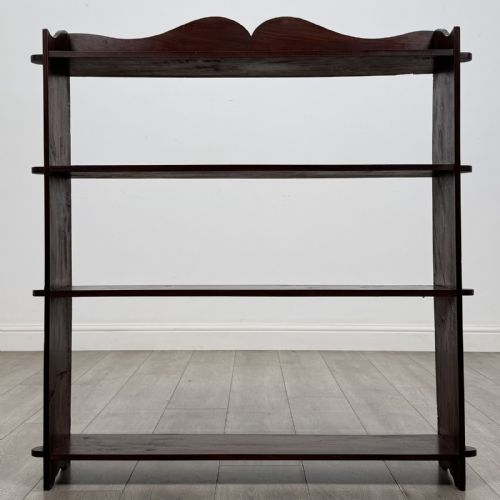
An antique wooden stand serves many household purposes, from holding hats and coats to supporting music books, plants or trays.
Antique Wooden Stand
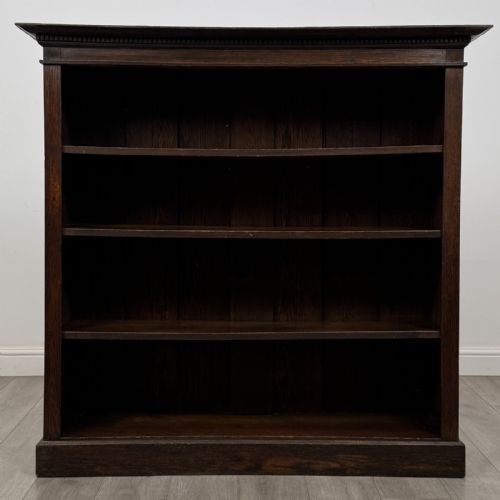
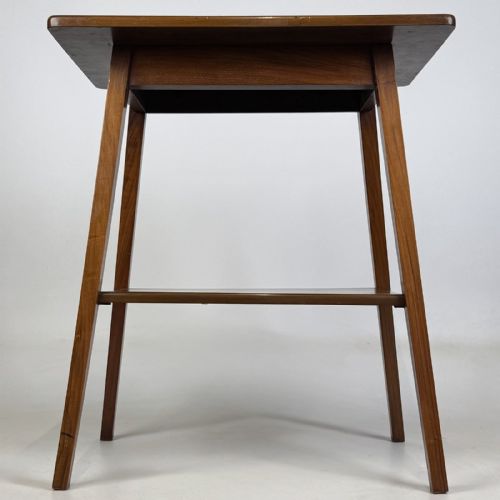
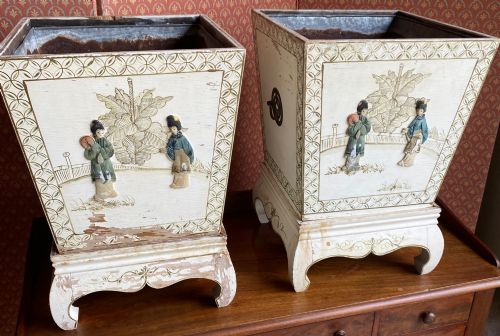
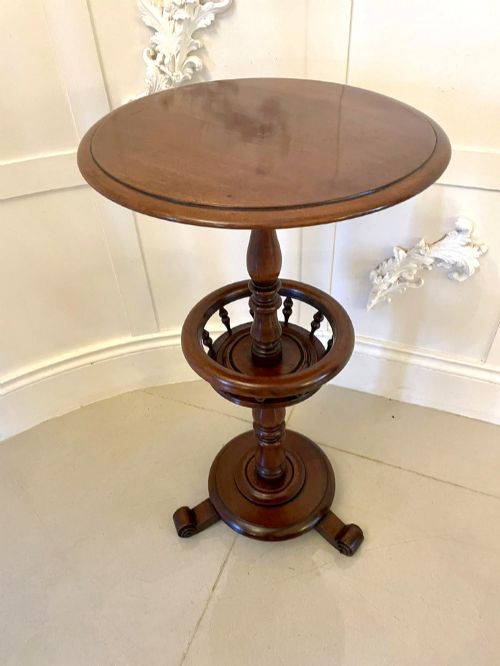
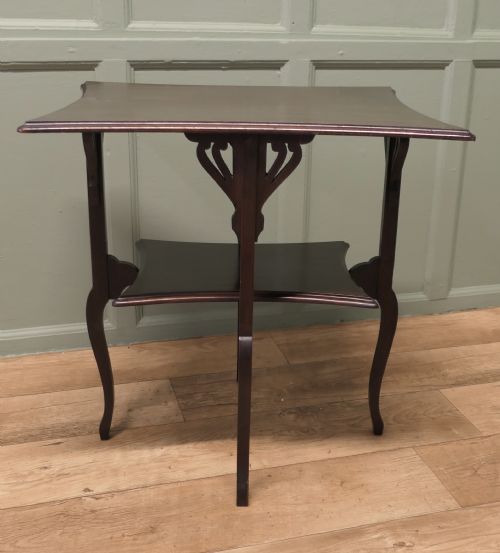
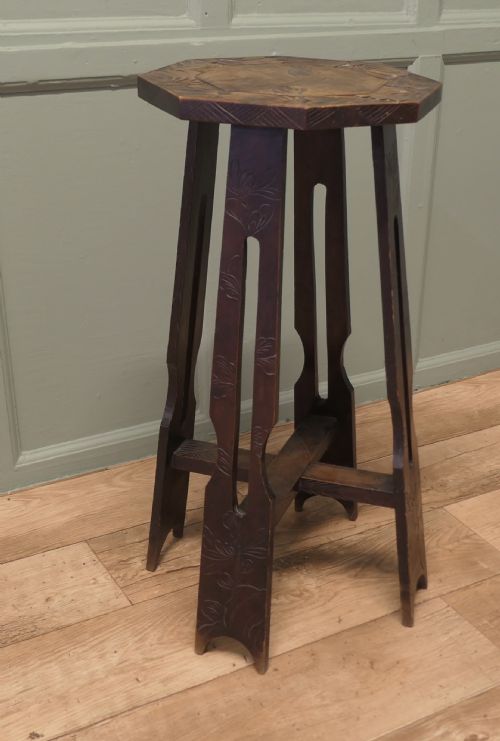
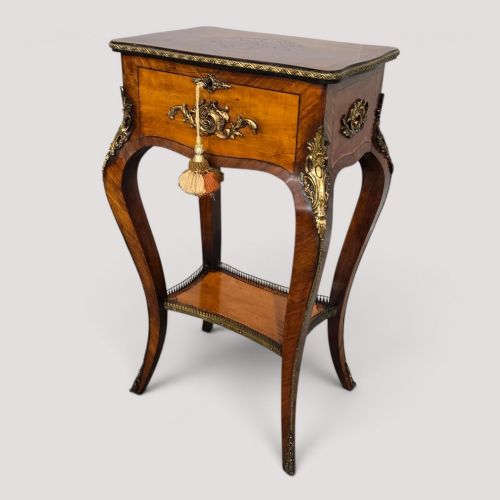
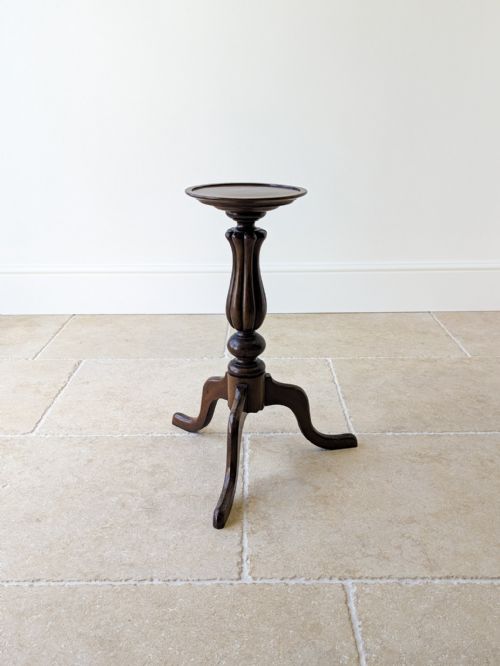
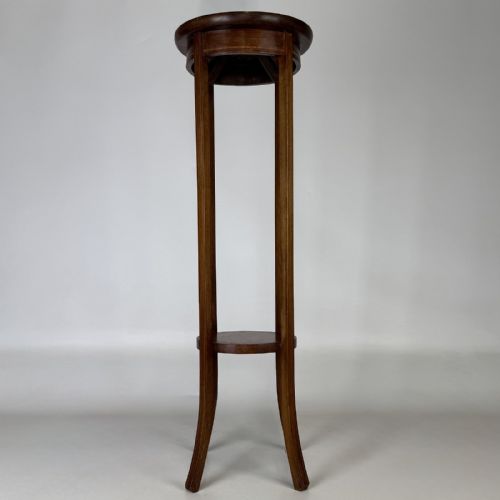
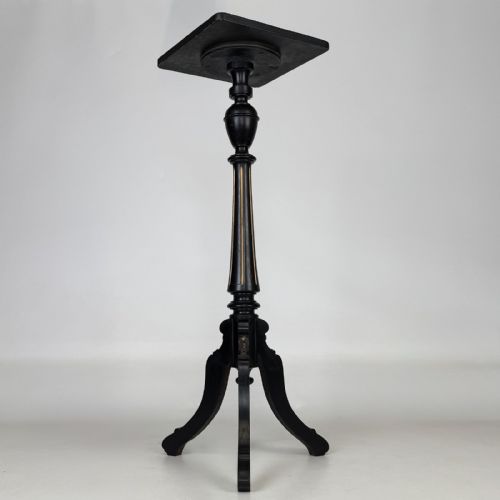
An antique wooden stand encompasses a diverse group of domestic furnishings spanning several centuries, including umbrella stands, towel rails, smoking stands, music stands, and occasional tables. Buyers examining this page encounter pieces dating from the eighteenth century through the Edwardian era and the nineteen-twenties.
The material palette reflects traditional cabinet-making, predominantly utilising mahogany, oak, walnut, and mixed hardwoods, frequently accented with brass or glass.
Makers and workshops produced these pieces across various stylistic movements, encompassing Georgian, Regency, Victorian, Gothic Revival, Aesthetic Movement, and Arts and Crafts designs.
Materials and Technique
Cabinet-makers relied heavily on solid hardwoods such as mahogany and oak, often employing veneers of burr walnut or kingwood over secondary timbers for decorative surfaces.
Construction techniques involve traditional joinery, turning, and detailed hand-carving, sometimes paired with brass fittings, hardware, or structural elements.
Assessing Workmanship
The standard of a piece rests upon the crispness of its hand-carved details, the selection of figured wood veneers, and the integrity of the original construction.
Pieces featuring integrated metalwork, specialised inlays, or sophisticated turning demonstrate a higher tier of workshop execution compared to simpler utilitarian items.
Trevor Page And Co·GM Elwood·JS Henry
The Antique Wooden Stand Glossary
- Torchere
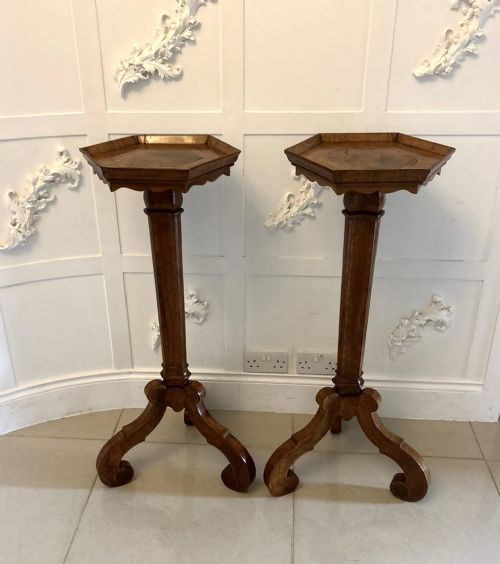
- A tall decorative stand designed to support a lamp or candleholder. These slender supports often feature carved wooden shafts and sturdy bases.
- Cellarette
- A lockable container used for storing wine bottles, frequently raised on a dedicated stand or frame. They appear in mahogany and other fine woods.
- Canterbury
- A low wooden stand fitted with partitions for holding sheet music, magazines, or newspapers. Many examples include a small drawer at the base.
- Whatnot
- An open set of tiered shelves used for displaying small ornaments or books. Corner variants fit neatly into domestic interiors.
- Inlay
- A decorative technique where pieces of contrasting timber, brass, or other materials are fitted into depressions within the primary wood surface to form patterns.
Antique Wooden Stand: Frequently Asked Questions
What rooms suit an antique wooden stand?
Smaller stands function effectively in hallways for holding umbrellas, hats, or walking sticks.
Larger variants serve as occasional display surfaces or music holders in living spaces and studies.
How do I identify an Edwardian stand?
Edwardian pieces often utilise oak or inlaid mahogany and display lighter proportions reflecting early twentieth-century domestic tastes.
They frequently take the form of specialised items such as revolving coat stands or towel rails.
What is the difference between a table and a stand?
Stands typically serve a vertical or specialised holding function, such as supporting books, trays, or garments, rather than general surface use.
Many examples feature tall, slender profiles or fitted compartments designed for specific domestic tasks.
Are these stands made of solid wood?
Construction varies between solid timbers like oak and mahogany, and carcase furniture utilising veneers over secondary woods.
Finer decorative examples frequently incorporate figured walnut or kingwood veneers on primary surfaces.